


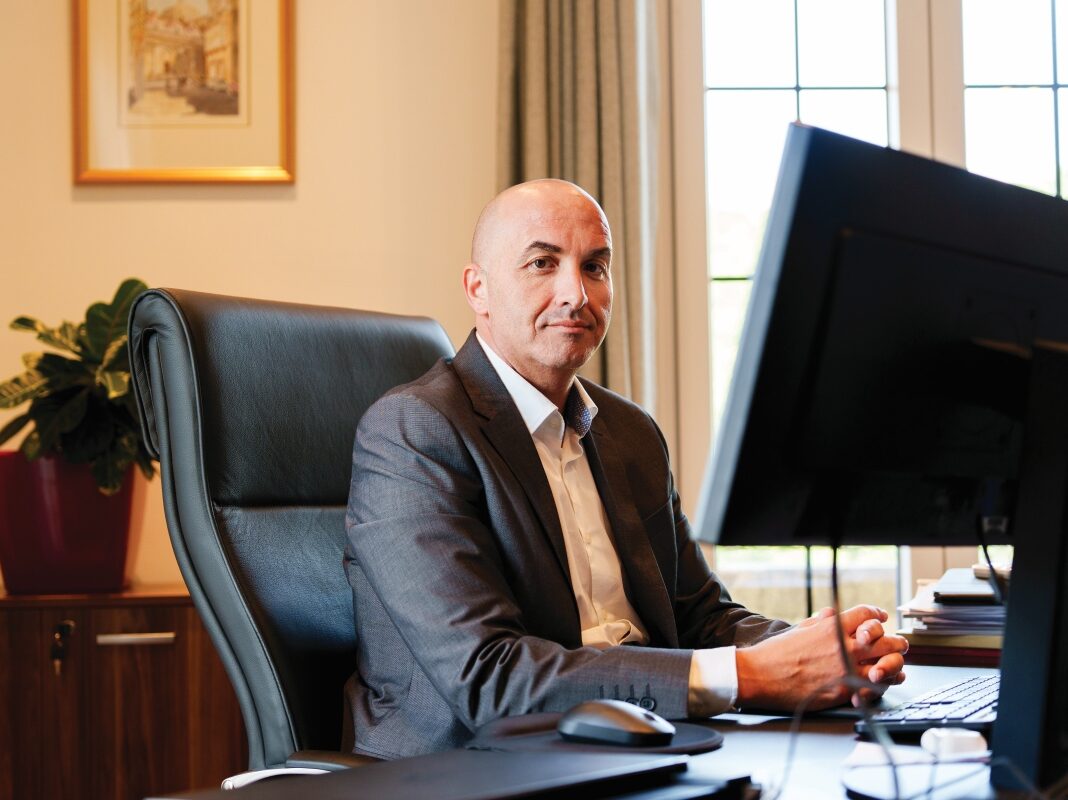
“The insurance sector has come a long way over the past years, driven by regulation, innovation and a commitment to meeting customer needs more effectively,” says Etienne Sciberras, CEO of MAPFRE Middlesea, a leading insurance company in Malta – listed on the Malta Stock Exchange – and a member of MAPFRE Group. Simultaneously, the industry has upheld its role as national economic enabler, keeping pace with the strong economy’s evolving needs and supporting future development.
Yet, despite the industry’s maturity and the role of regulation and competition in raising standards, Malta’s insurance penetration remains low compared with other developed economies, he highlights. Homeowners often overlook updating their sums insured as property values rise, leaving them vulnerable. Meanwhile long-term savings, particularly pension savings, via life or investment-linked products remain underdeveloped.
This under-insurance points towards a market of untapped potential, Mr Sciberras explains. Financial literacy is key here; education is high on the Government’s agenda and MAPFRE Middlesea itself participates in public fora. The organisation’s own awareness-raising initiatives include social media campaigns and podcasts intended to demystify insurance and explain the realities and importance of protection and savings.
Turning towards strategic direction, one of the company’s principal remits is to ensure that it maintains local relevance while fully aligning with the global MAPFRE Group’s direction. “The group roadmap for the current strategic cycle is defined by four pillars: profitability and growth, increased productivity and efficiency, digital and cultural transformation, and sustainability,” Mr Sciberras explains.
Not just wishful ideologies, these pillars are underpinned by robust mechanisms for successful delivery. Combining top-down direction with bottom-up input, implementation is country-driven, reflecting local context and requirements.
Accordingly, MAPFRE Middlesea has identified several initiatives to “unlock the four pillars and their enablers,” he continues. The process has been “finetuned over the years,” with progress monitored via monthly reports to the Management Committee, quarterly meetings and centrally tracked KPIs; the board receives structured updates at least every six months. Furthermore, senior and junior staff feed into this cycle: the company’s variable remuneration scheme links to these strategic objectives, making sure that the pillars are lived, not just static on paper.
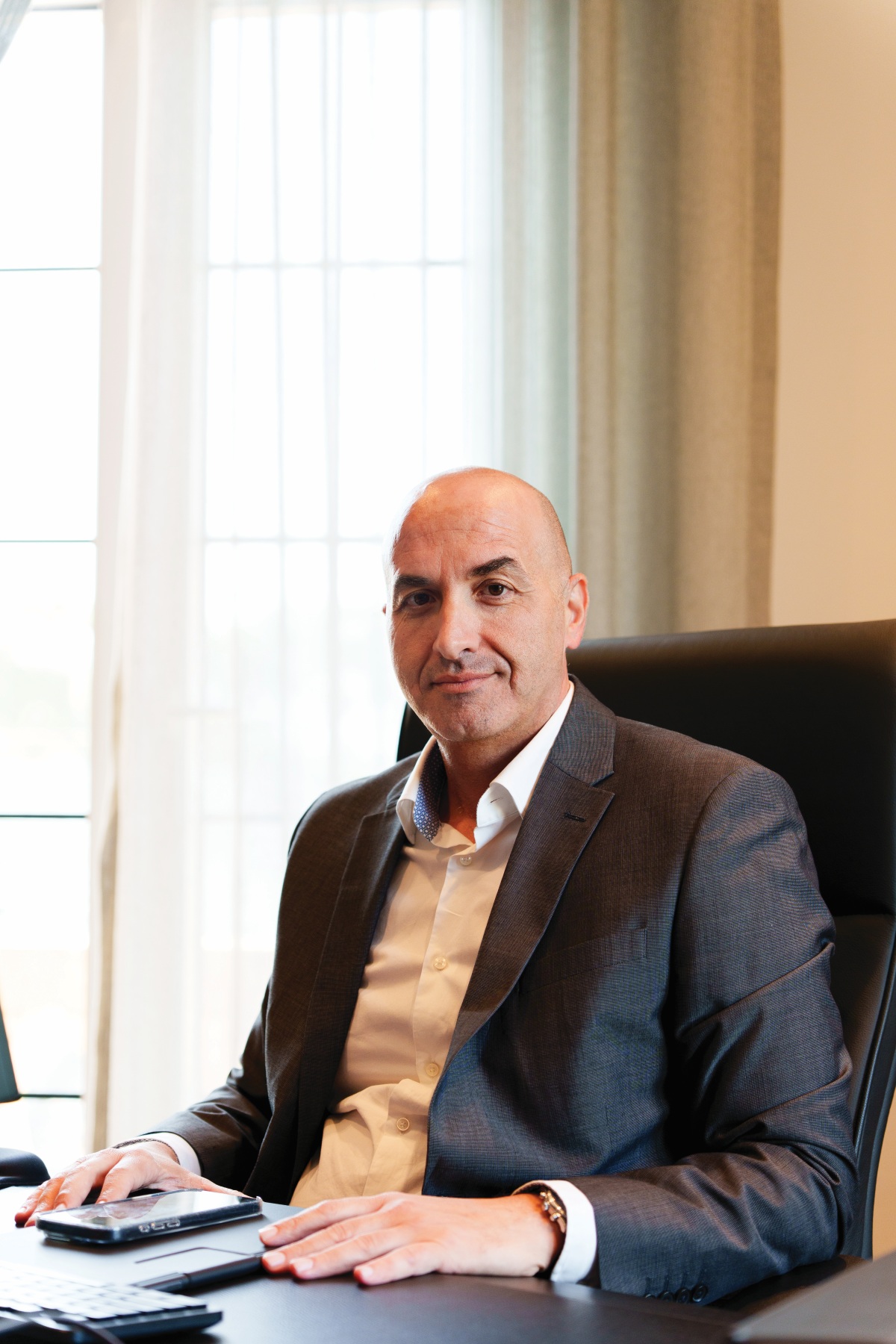
Digital transformation, one of the pillars, is inevitable and integral to the future. Here, MAPFRE Middlesea’s major focus of investment is its core policy administration system, referred to as the “foundational layer” of the digital journey. As productivity levers, automation and process re-engineering are being used for workflow efficiency and AI’s further potential benefits are under discussion. However, the organisation’s AI approach is pragmatic and measured, with the CEO sidestepping the hype to focus on digital initiatives that promise “genuine, meaningful impact for both company and customer.”
The digital conversation also involves the shifting dynamics of customer interaction. Online channels are increasingly preferred for travel insurance purchases and claims, while younger customers are more receptive overall to digital channels. Nonetheless, “digital interaction as yet is not mainstream in the insurance industry” due to the perceived complexity and important aspect of insurance products. Cultural and generational factors can also mean that clients predominantly favour face-to-face communication with insurance advisers.
Turning to another pillar, sustainability, the insurance sector is central to the discussion of Malta’s transition to a more sustainable economy. The ESG (Environmental, Social, Governance) mindset is woven through MAPFRE Middlesea’s strategy and operations. Indeed, the organisation is keen to pursue an investment portfolio rated on ESG criteria.
On environmental footprint, the company has adopted the global group’s 2030 goal of carbon neutrality, aiming to achieve it ahead of schedule locally. Supporting that ambition, the remote working policy is designed to help reduce building emissions, while ISO 14001 certification confirms the company’s progress in energy management. In parallel, the organisation’s commitment to equality has put it on track to close the gender pay gap, with a significant percentage of senior staff now female.
Translating ESG policy into action must also involve product development. MAPFRE Middlesea adapted its motor cover to cater for the arrival of electric vehicles on the island. And Mr Sciberras’ teams are currently exploring other sustainable insurance products, further demonstrating its active role in Malta’s green transition.
ESG advancement extends to community investment. Social impact is carved into the organisation’s DNA thanks to the MAPFRE Foundation (50 years old this year) which drives initiatives to improve educational programmes, providing insurance to people with limited access and supports communities. Culture is also very important on the Fundacion Agenda.
Meanwhile, MAPFRE Middlesea’s CSR (Corporate Social Responsibility) programme is part of the global volunteering scheme involving its workforce. Activities take place during office hours or in employees’ personal time and range from environmental projects to supporting victims of addiction, domestic violence or difficult family circumstances.
Beyond tracking financial or time contributions, feedback from beneficiary organisations counts most, Mr Sciberras emphasises. “Hearing the real story of someone re-entering society or turning their life around having played a small part in this is the strongest measure of impact.”
This naturally brings us onto people, the heart of MAPFRE Middlesea. Addressing the talent question, the CEO is candid: “There’s no magic formula for attracting and retaining talent, but we put the employee at the centre. The company’s philosophy, ‘we care about what matters to you’ applies as much to staff as it does to its customers and stakeholders.”
Seeking to be an employer of choice in a competitive market means “constantly investing in our people and never taking talent for granted.” Employee engagement is measured regularly through surveys and the company’s net promoter score compares favourably with industry benchmarks.
Notably, the human connection is deliberate and frequent. Mr Sciberras meets different employees monthly to hear their views on career development and suggested areas of improvement among other matters.
“These touchpoints complement the HR function’s work on talent management in a holistic way.” The positive impact is evident in MAPFRE Middlesea’s average tenure rate – long in today’s climate.
Internal mobility is a priority. “We’re proud of the number of people who’ve built long careers with us. My own career shows what’s possible,” he shares. Originally joining as a trainee investment executive in 2001, the company’s CEO is a living example of its culture of growth, development and learning.
Aside from local and external courses, employees have access to numerous learning opportunities at MAPFRE’s digital university, Campus MAPFRE. Specific training programmes equip new joiners from outside the industry with necessary technical, sector-specific knowledge while tailored development plans upskill existing staff for specialist roles.
“Culture is our real differentiator,” he emphasises. Internal values are not solely centred on financial KPIs. “Our people appreciate being seen as individuals, not numbers, and having purpose that shapes their daily work.” Empathy is also crucial in this culture, while professionalism and collaboration turn this empathy into consistent service. “How we interact with our customers, how they value us, our distribution network and the whole ecosystem we represent is incredibly important. So, while our KPIs obviously matter, how we meet them is just as important.”
Depth of duty notwithstanding, Mr Sciberras points out that numerous people help drive a company forward besides the CEO and credits the experts around him for aiding his informed decision-making and constructively challenging him when needed.
An impromptu question about whether he enjoys his role draws an unequivocal “yes” as well as some insightful introspection: “I believe I am able to renew myself whenever renewal is needed. I’m definitely a different leader from the one I was five to 10 years ago. Leadership style must evolve both with time in the role and with changing circumstances and company needs. It is a privilege to lead an organisation and contribute towards it achieving its goals. Yes, the job is heavy with responsibility towards customers, employees and shareholders. But equally, this responsibility is what energises me to give my very best.”
This interview was first carried in the 2026 edition of Business Now Magazine, the sister brand to BusinessNow.mt and produced by Content House Group.
Featured Image:
Tyler Calleja Jackson


General fear of travelling doesn’t justify free holiday cancellation, MCCAA warns
Malta Competition and Consumer Affairs Authority clarifies rights for travellers amidst concern over the Middle East war
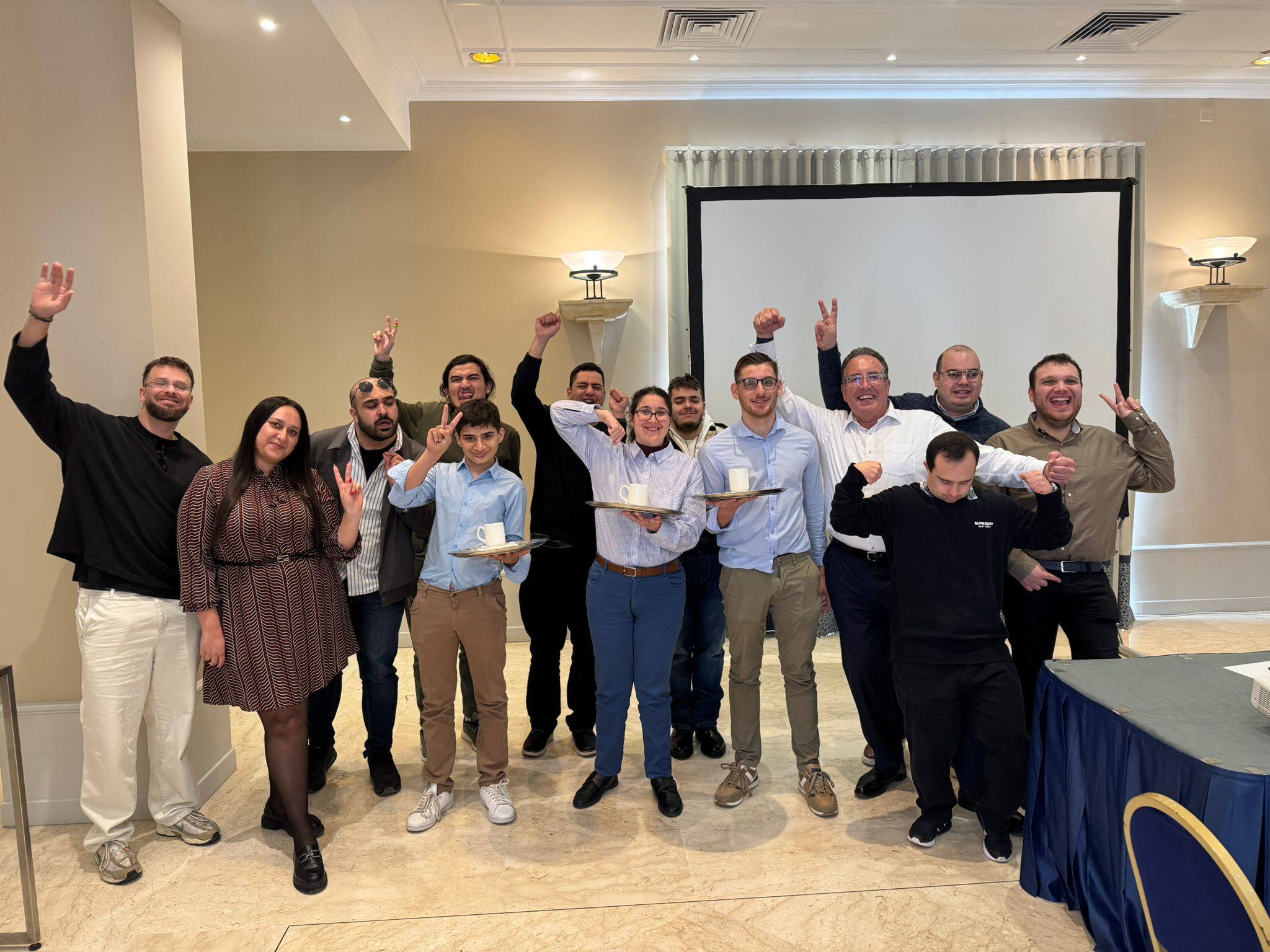
Malta to host first Mediterranean forum on accessible hospitality
One panel will examine Malta’s potential role as a regional focal point for promoting accessibility in the hospitality sector
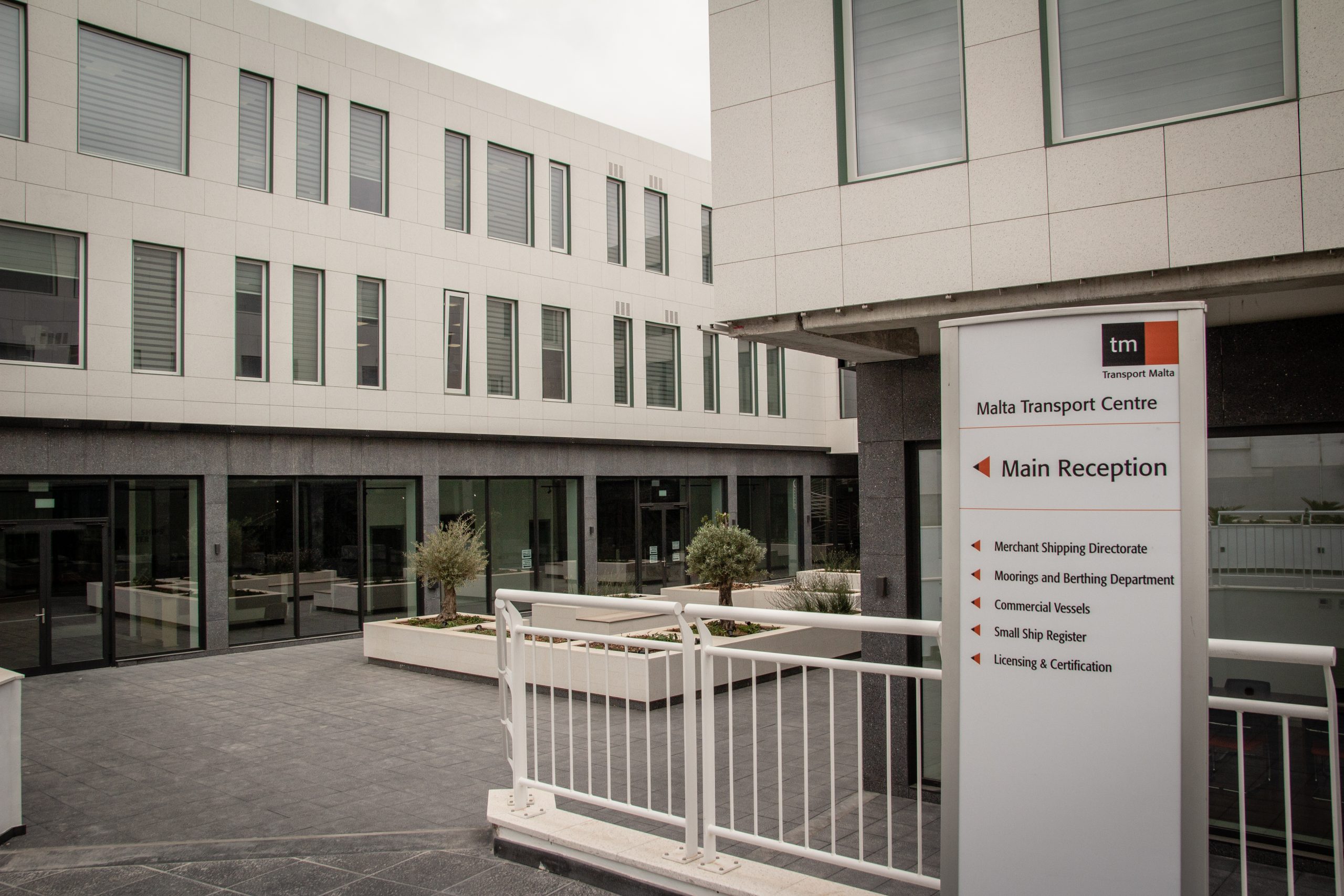
Merchant Shipping Directorate ‘providing full support’ to Malta-flagged vessels in Middle East
Malta committed to ensuring that its flag continues to represent safety and stability ‘even in challenging circumstances’