


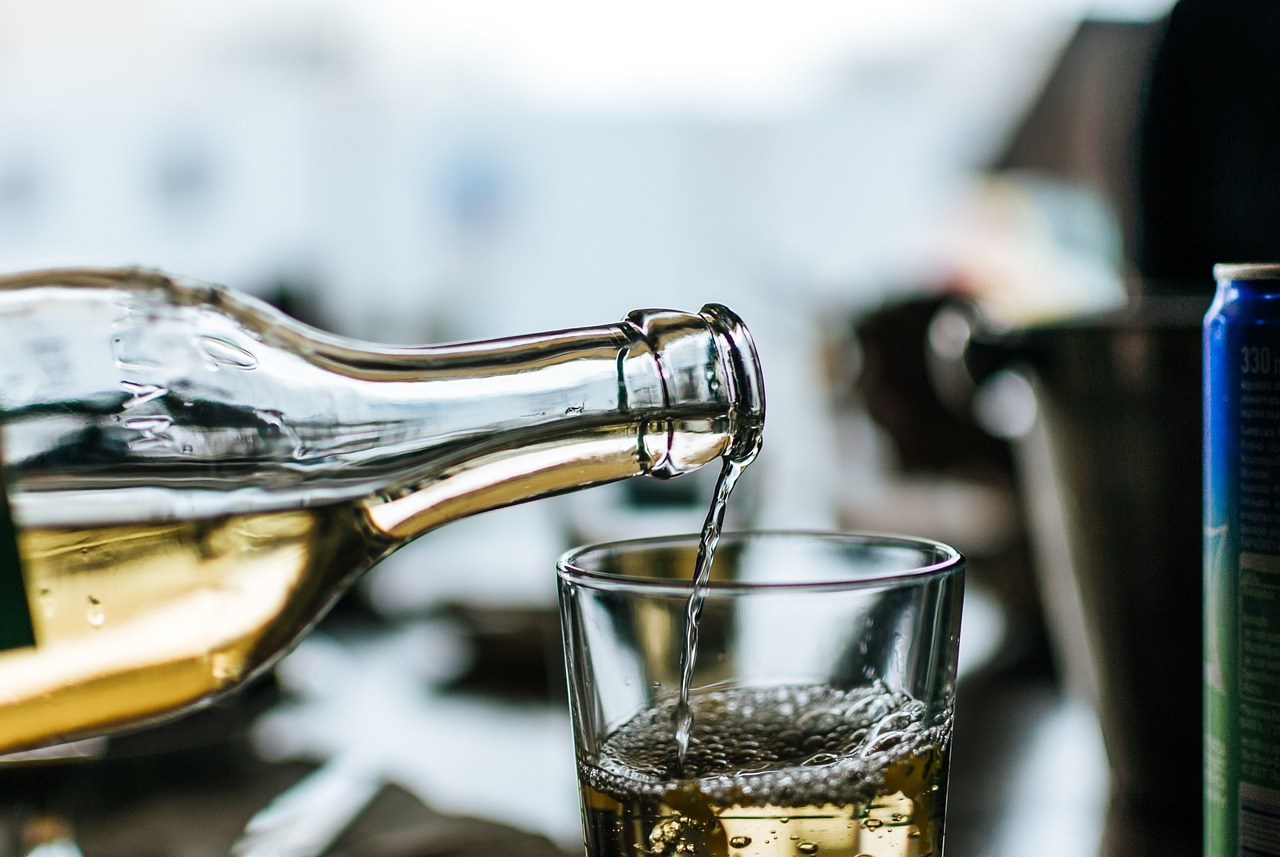
A staggering €2 million in wine and spirit sales are lost in Malta every year due to counterfeiting, according to the European Union Intellectual Property Office (EUIPO). The figure forms part of a wider warning issued by the EU body as part of its “What’s on your table?” campaign launched to mark World Anti-Counterfeiting Day.
The campaign sheds light on the growing risks of counterfeit food and beverages in the EU, calling out both the economic and health threats posed by fraudulent products. According to the EUIPO, €91 million worth of counterfeit food products were seized in a single EU-wide operation in 2024 alone.
Malta is not immune. While the country has strict import controls, the €2 million lost locally in wine and spirits annually reflects a deeper problem that affects the reputation of producers and the safety of consumers, particularly given that many fake products are laced with dangerous substances such as methanol, mercury, and toxic pesticides.
Wines and spirits remain among the most heavily counterfeited products in the EU, with the bloc losing an estimated €2.3 billion in sales and 5,700 jobs per year in this sector alone.
In a statement, EUIPO Executive Director João Negrão emphasised that counterfeit food and drinks are a public health threat, calling for collaboration between consumers, producers, and authorities.
Geographical Indications (GIs) – protected labels that identify authentic products tied to a region – remain a critical defence against counterfeiting. The EU has more than 3,600 GI-certified products, covering everything from wine and olive oil to cheese and pasta. While Malta’s local production footprint is smaller than countries like France or Italy, GI protections are essential for safeguarding Maltese culinary identity and export potential.
The rise of e-commerce has further complicated the challenge, making it easier for counterfeit goods to reach EU consumers. Law enforcement across the continent – including through the Europol-Interpol OPSON operation – continues to intercept fake goods, but the scale of the market remains vast.
With Malta’s food and beverage sector increasingly attracting global attention, preserving authenticity is not just a health matter – it’s an economic priority.

Tech, logistics and industry shape Malta’s employment landscape
The employee benefits expense was highest in technological solutions, professional and business support in both local and foreign companies
169 holiday properties investigated over suspected illegal operations
The MTA has conducted 4,215 inspections throughout 2026 to ensure tourism operators are complying with applicable laws
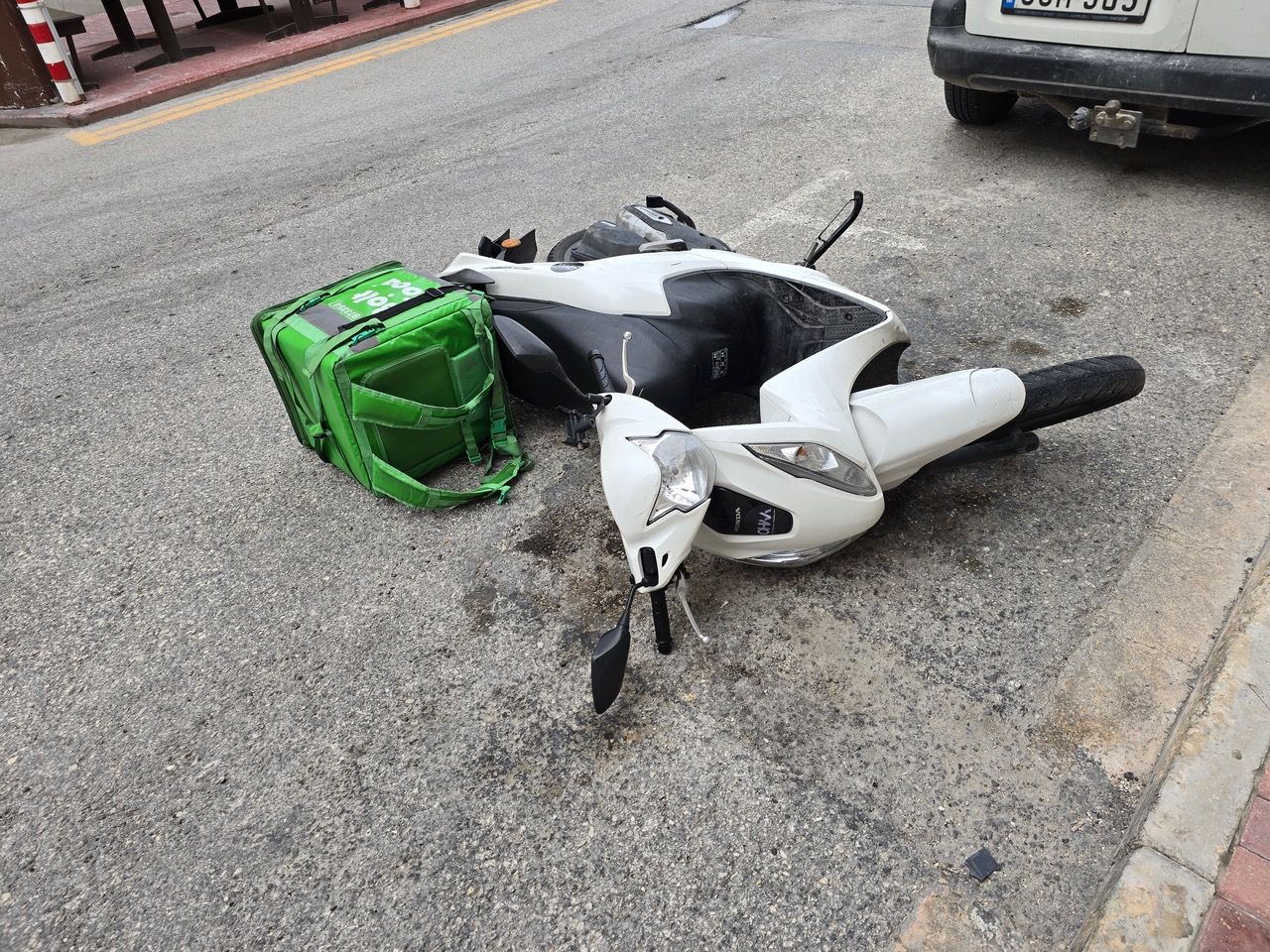
Six months into random roadside drug testing, insurers call for enforcement figures
'Every life saved on our roads is a major success'