


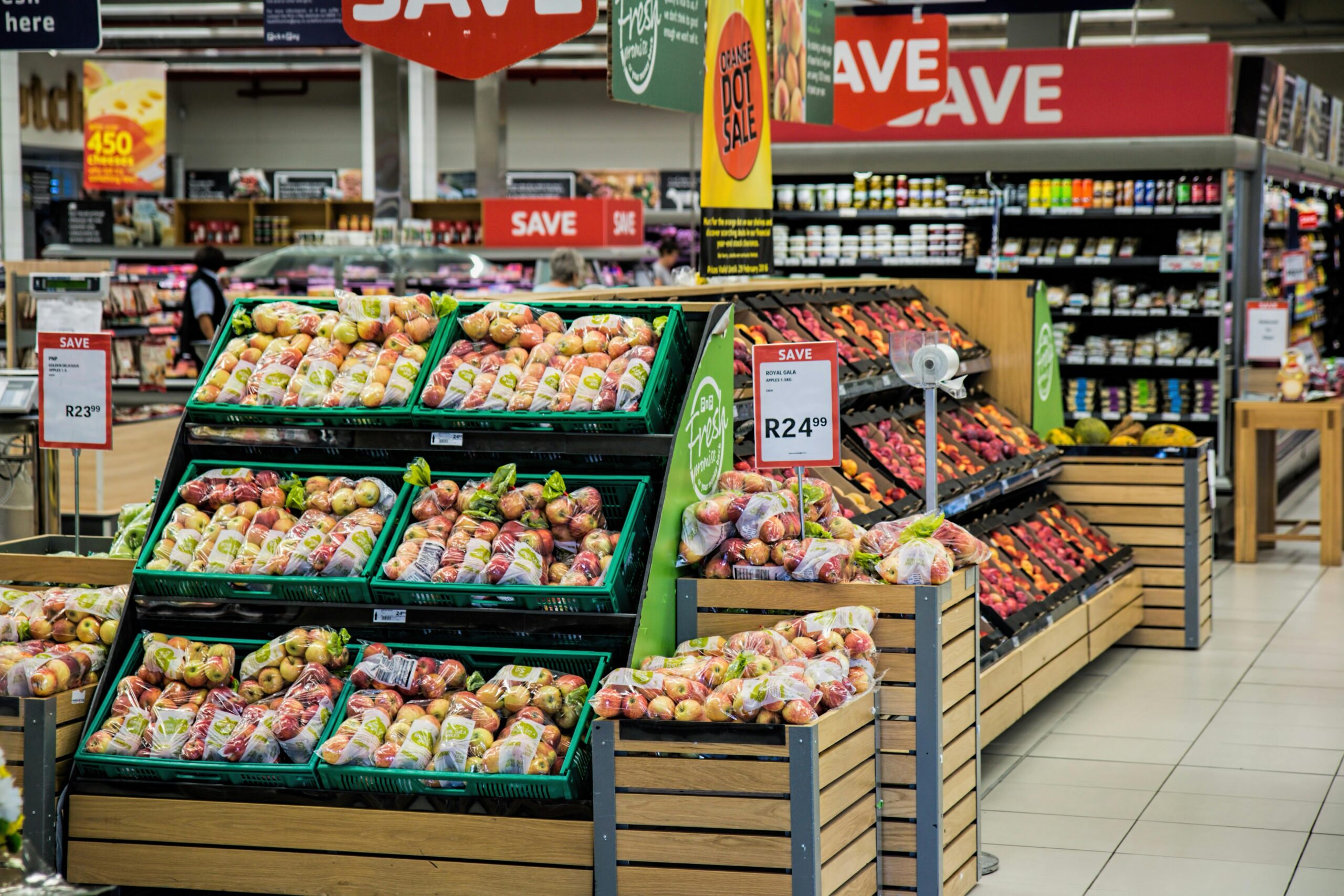
Malta recorded the largest decline in food purchasing power among minimum-wage earners across 26 European countries over the past five years, according to an analysis by Euronews Business.
The analysis found that a worker earning Malta’s minimum wage can afford around 6 per cent less food with their gross pay than they could in August 2021, despite increases in the statutory minimum wage over the period.
Put differently, if a Maltese minimum-wage worker could theoretically purchase 100 baskets of food with their monthly gross wage in August 2021, the same wage would purchase the equivalent of just 94 baskets in August 2026.
Malta was one of only three of the 26 countries analysed where minimum-wage earners lost purchasing power relative to food prices. Spain recorded a 5 per cent decline, while France registered a 4 per cent drop.
According to Eurostat data cited by Euronews, food and non-alcoholic beverage prices across the EU increased by 34 per cent between August 2021 and August 2026.
However, the impact on minimum-wage workers varied substantially because wages increased at different rates across the continent.
At the other end of the scale, minimum-wage earners in Serbia and Montenegro saw their food purchasing power increase by 37 per cent. Croatia, Albania, Romania, Hungary, Bulgaria and Lithuania also recorded increases exceeding 20 per cent.
Ireland saw a 10 per cent improvement, while Germany registered 9 per cent, Greece 7 per cent, Belgium and the Netherlands 6 per cent, and Portugal 3 per cent.
In Malta certain mechanisms are in place to adjust wages in response to increases in the cost of living.
Malta operates a mandatory Cost of Living Adjustment (COLA), through which employees receive annual wage increases intended to compensate for changes in living costs. The Department of Industrial and Employment Relations (DIER) states that the adjustment is obligatory, with full-time employees entitled to the full increase and part-time workers receiving it proportionately to hours worked.
For 2026, Malta’s national minimum wage for workers aged 18 and over stands at €229.44 per week, equivalent to an hourly rate of €5.74 for a 40-hour week. The figure incorporates changes arising from COLA as well as the national minimum-wage agreement reached by the social partners in 2023.
The COLA awarded for 2026 amounted to €4.66 per week. DIER provides the example of an employee earning €225 per week in 2025 whose wage increases to €229.66 following the 2026 COLA.
Government also operates an additional Cost of Living Benefit, designed particularly around the spending patterns of lower-income households and pensioners.
The Social Security Department notes that lower-income households spend around 30 per cent of their expenditure basket on food, compared with around 20 per cent for an average household. For 2026, the additional COLA mechanism calculated a difference equivalent to €5.24 per week above the standard COLA calculation, with eligible households receiving the benefit according to their circumstances.
Despite these mechanisms and increases to the minimum wage, the Euronews comparison suggests that food-price increases have still outpaced the improvement in gross minimum-wage earnings in Malta when the two are considered over the five-year period.
The analysis, however, does not provide a complete measure of workers’ living standards or disposable income. It compares gross minimum wages with food-price movements and does not account for income tax, social benefits, subsidies, rent, energy costs or other household expenses.

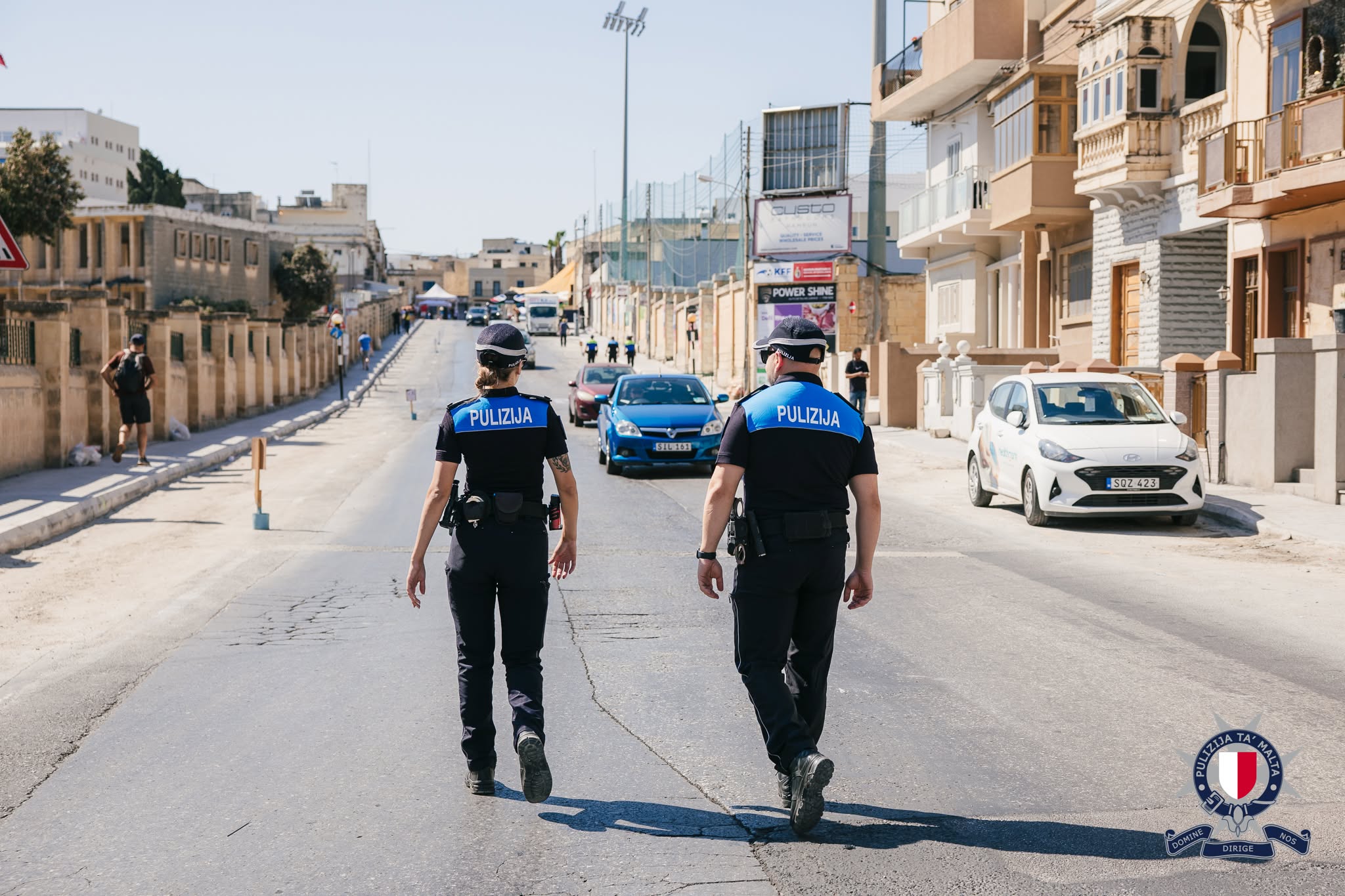
Minister Glenn Bedingfield does not rule out tougher on-the-spot fines for tourists
The on-the-spot fines were introduced back in July and generated €125,000
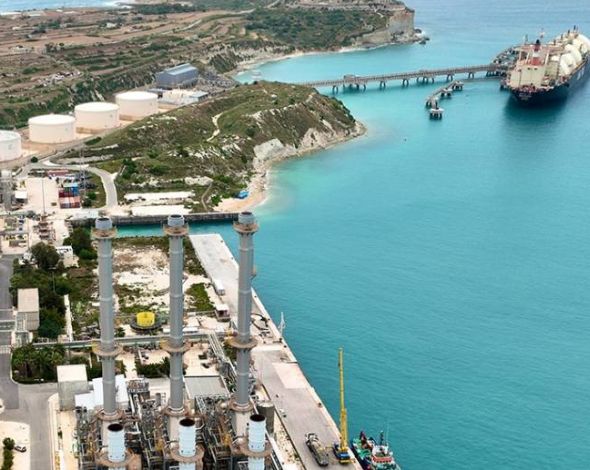
Delimara 4 trip causes brief power cut across Malta
Enemalta says power was fully restored at 10:50am

Malta-Gozo interconnector draws interest from six companies
Enemalta executive chairperson Ryan Fava said participation does not guarantee a bid for the project