


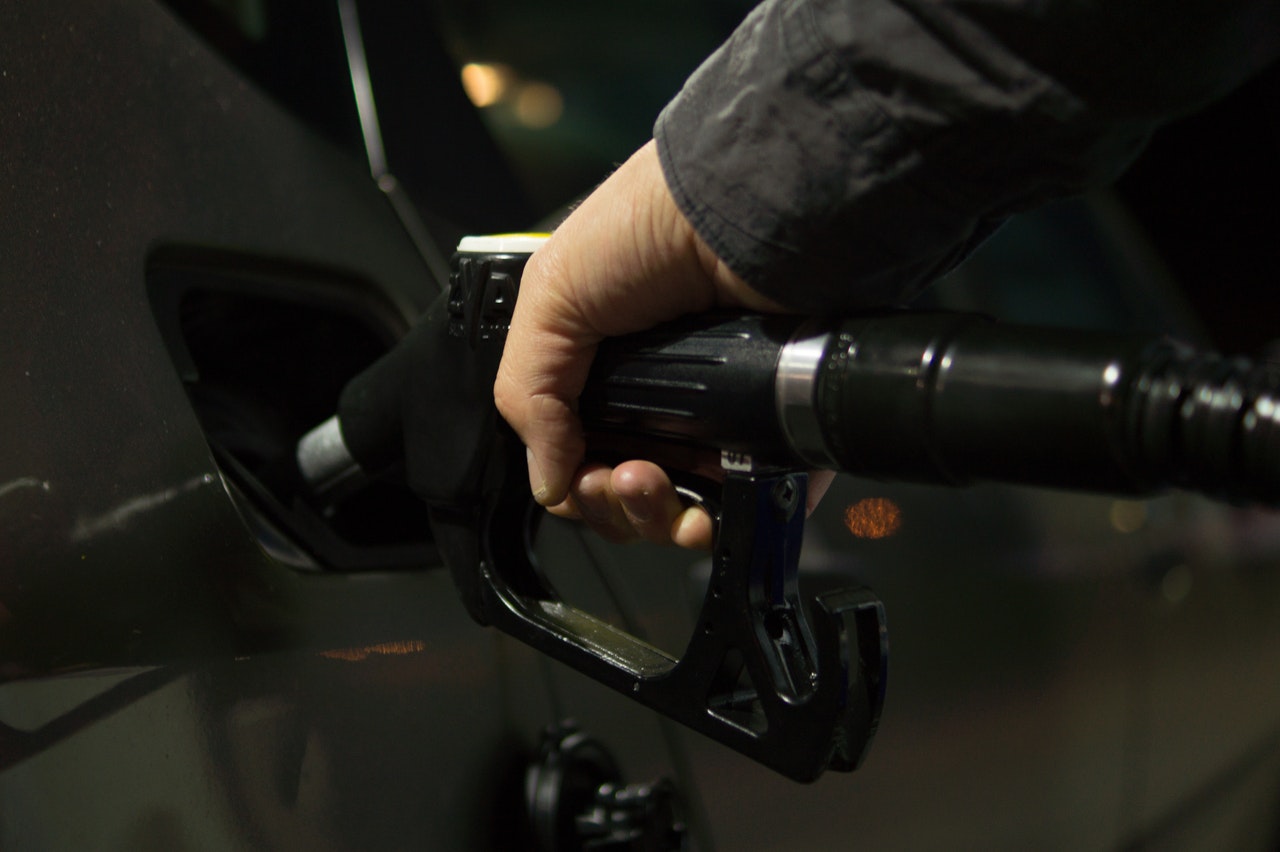
Malta currently stands as Europe’s cheapest fuel market, but the price advantage is increasingly being sustained at significant public cost as global energy markets remain volatile following the Iran war.
Across the EU, diesel prices range from €1.21 per litre in Malta to €2.46 in the Netherlands, with countries such as Denmark (€2.36), Germany (€2.29), and Finland (€2.27) among the most expensive. Petrol follows a similar pattern, with Malta again the cheapest at €1.34 per litre, compared to €2.33 in the Netherlands.
This makes Malta an outlier, particularly in diesel, where the gap between it and the next cheapest countries, including Hungary and Slovenia at €1.62, is unusually wide.
The reason is not market dynamics, but policy. Malta’s Government continues to shield consumers through subsidies introduced in 2022, effectively decoupling local prices from international volatility. However, this strategy is becoming increasingly expensive.
Finance Minister Clyde Caruana has confirmed that the Government expects to spend between €80 million and €100 million more than planned on energy subsidies in 2026, pushing total annual spending to around €150 million. While this remains below the €350 million peak seen in 2022 following the Russian invasion of Ukraine, it signals renewed pressure on public finances.
Mr Caruana has insisted that the increase will not derail Malta’s target of bringing its deficit below 3 per cent of GDP, pointing to a €250 million fiscal buffer and offsetting one-off expenses in 2025.
Yet the broader context suggests that the current model may face longer-term strain.
The recent conflict involving the US and Israel against Iran has triggered what the International Energy Agency described as the “largest supply disruption” in the history of the global oil market. Iran’s temporary closure of the Strait of Hormuz, a critical artery for global energy flows, sent oil prices soaring from around $72 per barrel before the war to nearly $120 at its peak.
Even after a ceasefire, prices remain elevated at around $93.
Gas markets have followed a similar trajectory. European gas futures rose from €35.5 per MWh before the war to peaks of nearly €62, before settling at around €44. This matters for consumers beyond direct gas use, as electricity prices across much of Europe are often set by the most expensive marginal source, typically gas.
The European Union remains highly exposed to such shocks. According to Eurostat, the bloc imports between 80 per cent and 85 per cent of its oil. While only a small share physically passes through the Strait of Hormuz en route to Europe, the global nature of oil pricing means disruptions anywhere affect prices everywhere.
Even when crude prices fall, the impact is not immediate or symmetrical. A $10 increase in oil prices typically adds between 3 and 6 euro cents per litre at the pump, depending on national tax systems, while currency fluctuations and transport costs further complicate the picture. During the recent crisis, shipping costs surged sharply, with tanker rates more than tripling at one point, adding another layer of pressure. So far, the Malta Freeport reports “business as usual“.
Subsidies in Malta have so far insulated consumers from these dynamics. But they also mean the state absorbs the full volatility of global markets. With more time, this exposure becomes increasingly difficult to predict and manage.
Importantly, even if the war were to fully de-escalate, a return to “normal” price levels is far from guaranteed. Analysts point to both structural and psychological factors. Physical damage to Gulf infrastructure, reduced production levels, and shifts in supply chains could have multi-year effects. At the same time, markets continue to price in a geopolitical risk premium driven by uncertainty.
European policymakers are already exploring responses, including windfall taxes on energy companies and the use of strategic reserves. However, experts warn that such measures can only provide temporary relief rather than structural solutions.
The question for the smallest EU state is not only how long it can maintain Europe’s lowest fuel prices, but at what cost. The current system has proven effective in shielding households and businesses in the short term. Yet as global energy markets become more unpredictable, the sustainability of this approach remains under scrutiny.
The Government’s approach is based on the argument that enrgy price stability supports Malta’s economic growth, though political reasons will surely be front and centre of any decision regarding the maintenance of subsidies.
Speaking to WhosWho.mt late last year, the Finance Minister had pointed to the steep rise in energy prices seen during the last years of the Gonzi administration.
“We all know how it ended,” he said. That is, with a crushing electoral defeat for the incumbent – a lesson the current Government is surely acutely aware of.
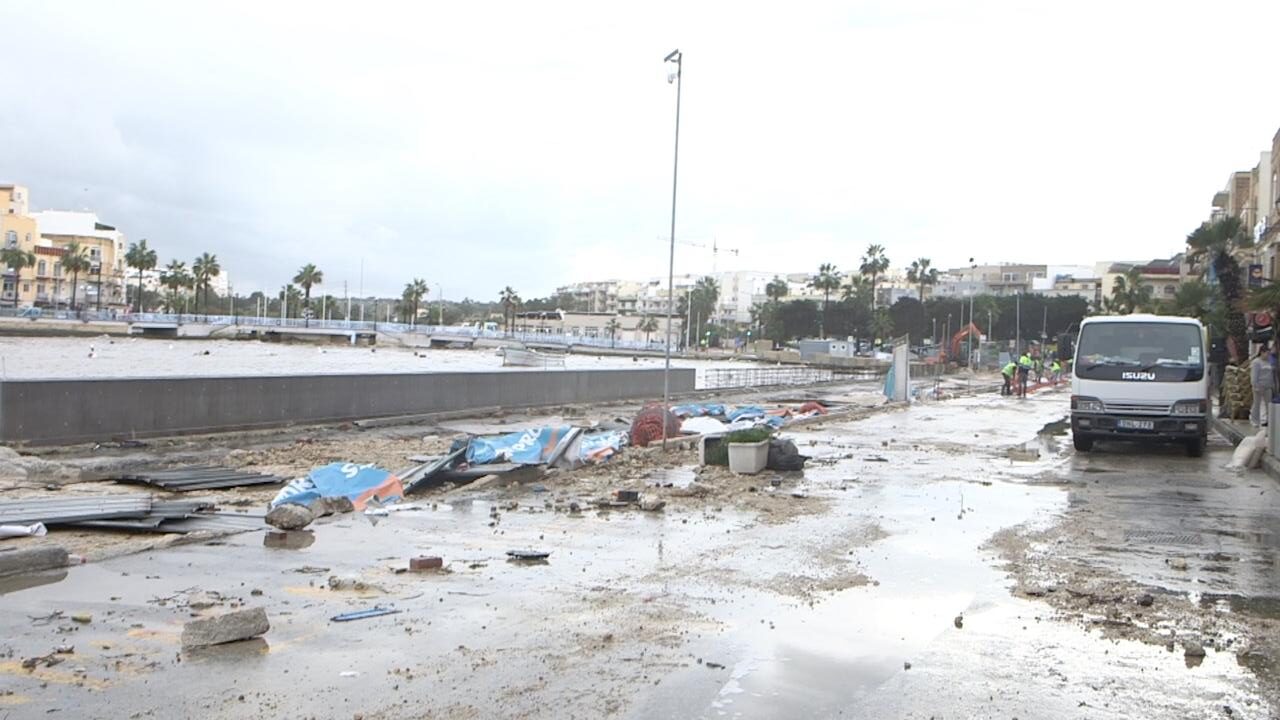
Storm Harry damage estimated at €128 million as Malta seeks EU aid
The figure surpasses the €121 million eligibility threshold required to access the fund

Malta’s high DBRS rating safe for now, but energy crisis clouds outlook
Malta’s economy expanded by 4.0% in 2025
MFSA launches public-private partnership to tackle rising financial fraud risks
An increased effort to combat increasingly sophisticated fraud