



Malta spent a total of €121 million on research and development in 2023, with the majority of this sum (69.2 per cent) spent on labour costs.
New statistics published by the National Statistics Office show that Malta’s R&D spend was 0.6 per cent that year, the same as it was in 2022 despite a €16.1 million increase in nominal expenditure.
This is far below the European average of 2.22 per cent.
In Malta, businesses have increased their share of spending on research and innovation, from 61.9 per cent in 2022 to 64.2 per cent in 2023. The higher education sector contributed 34.1 per cent of the total while the government sector contributed 1.7 per cent. All three sectors reported an increase in expenditure over the previous year.
The statistics show there were 3,460 employees engaged in R&D in 2023, with 1,955 of these spending a portion of their time in such projects while the other 1,505 employees dedicated their entire working time to research.
The highest R&D employment was registered in the higher education sector, at 1,737 employees, followed by the business enterprise sector, with 1,635 employees.
Male employment was predominant among researchers and technicians. Females accounted for 37.0 per cent of total R&D employment.
Labour costs represented 69.2 per cent of total R&D expenditure, followed by other recurrent expenditure (18.1 per cent) and capital expenditure (12.7 per cent),
The R&D expenditure was primarily dedicated to basic research, which accounted for 47.1 per cent of total R&D in 2023, followed by applied research (26.9 per cent) and experimental development (26.0 per cent).
In 2023, the highest R&D expenditure by scientific field was recorded in engineering and technology, which accounted for 51.2 per cent of total expenditure, followed by natural sciences (22.3 per cent) and medical sciences (10.3 per cent).
Most of the R&D activity in engineering and technology and natural sciences was undertaken in the business Enterprise sector, whereas research in relation to medical and social sciences was mainly carried out by the higher education sector.
Year-on-year comparisons show that the highest increase was registered in engineering and technology (€7.3 million), followed by natural sciences (€6.9 million).

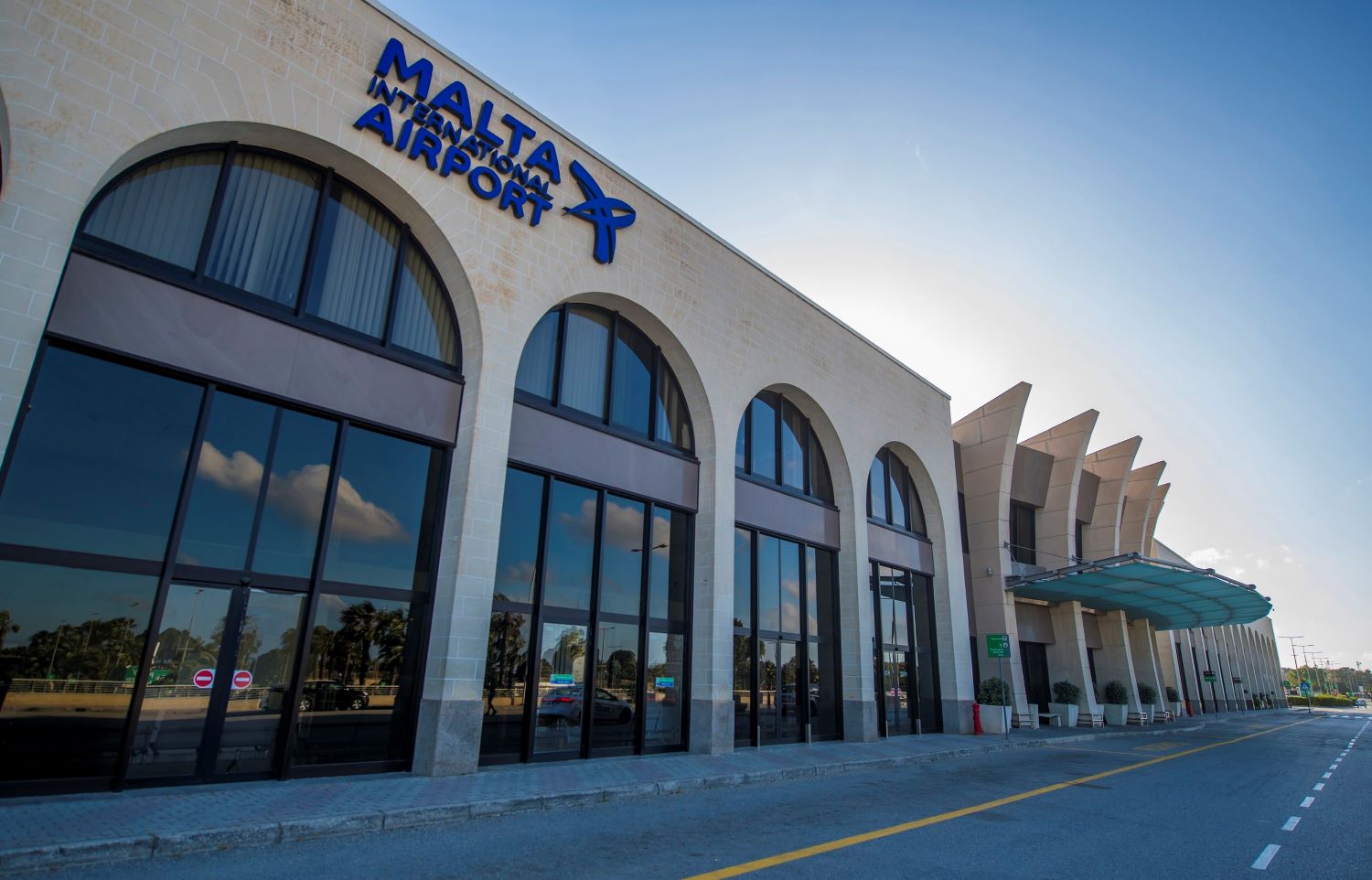
MIA sees emissions per passenger fall as traffic tops 10 million during 2025
Malta International Airport’s revenue increased by 9.9% to €157 million in 2025
MFSA warns public about website impersonating the Authority
The MFSA urged the public to exercise caution and verify website URLs and email addresses
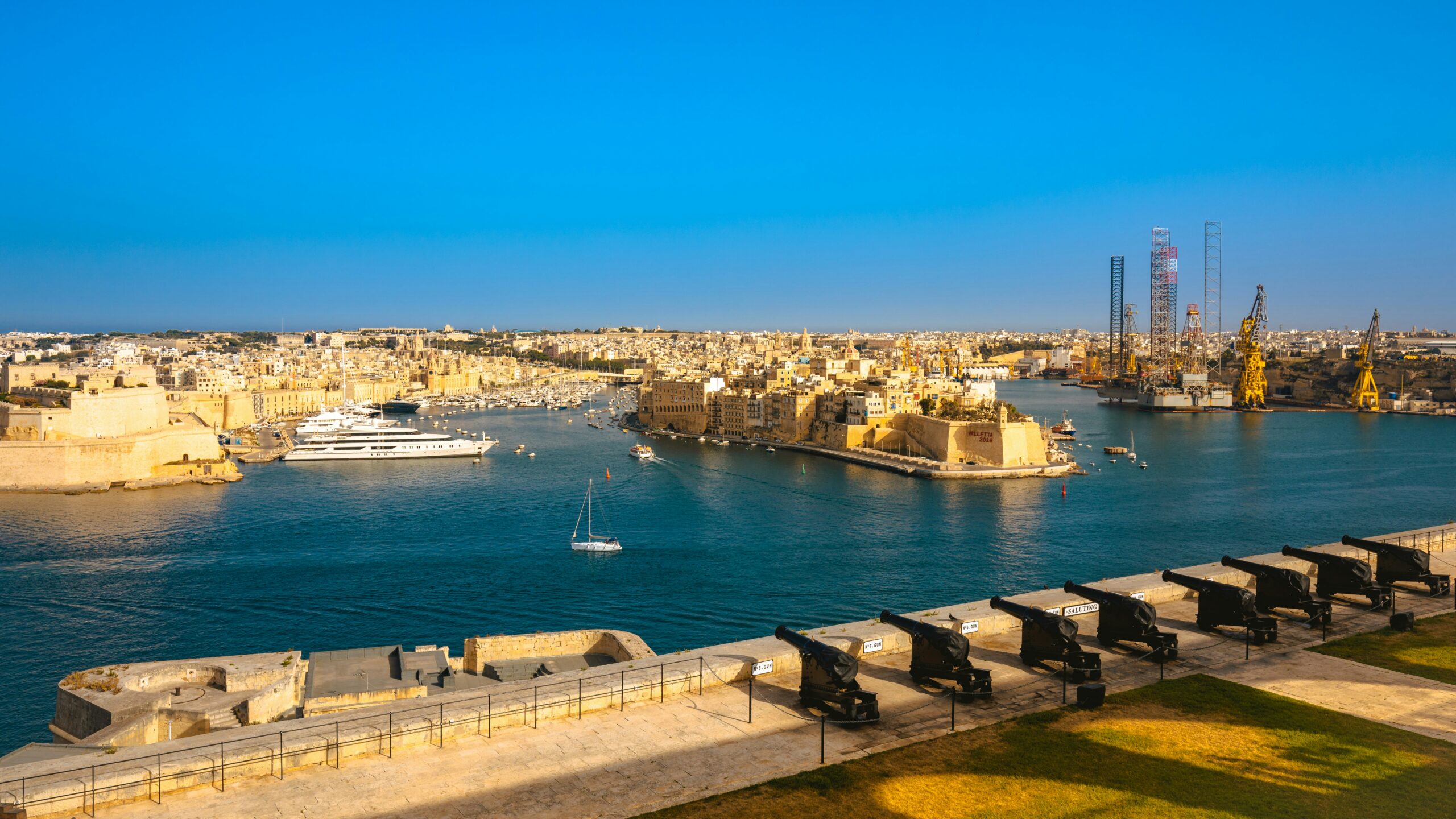
Budget 2027: MMF proposes National Maritime Certification Centre, cadet scheme to address skills shortage
Maritime sector requires renewed attention and resources to enable it to achieve the set objectives, MMF says