


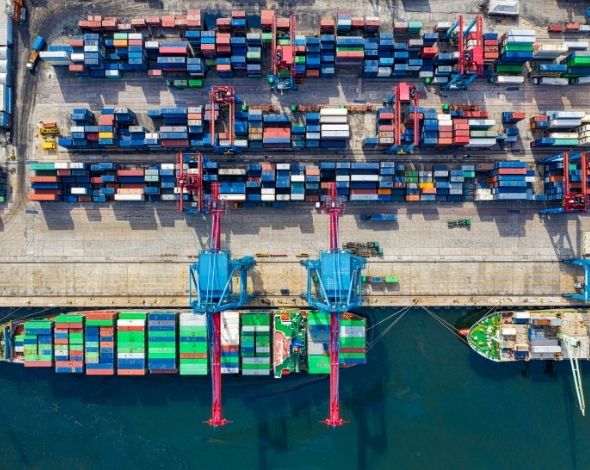
Malta registered a trade in goods deficit of €339 million in May 2026, as higher imports continued to outpace a strong increase in exports, according to the latest figures published by the National Statistics Office (NSO).
The provisional data show that imports reached €855.1 million during the month, an increase of €120.5 million over May 2025. Exports also rose significantly, climbing by €108.4 million to €516.1 million. Despite the improvement in exports, the trade gap widened from €326.9 million in May last year to €339 million.
The increase in imports was driven primarily by a sharp rise in purchases of mineral fuels, lubricants and related materials, which grew by €170.3 million year-on-year. This was partly offset by lower imports of machinery and transport equipment (€30.1 million), chemicals (€8.7 million) and food (€8.6 million).
On the export side, the strongest gains were also recorded in mineral fuels, lubricants and related materials, which increased by €88.7 million, followed by machinery and transport equipment, up €30.9 million. These gains were partially offset by a decline of €7.2 million in chemical exports.
Trade deficit narrows over first five months
While May saw a slightly wider monthly deficit, the broader picture for the year remains more positive.
Between January and May 2026, Malta's trade deficit narrowed by €234.7 million compared with the same period in 2025, reaching €1.38 billion.
Imports during the first five months of the year totalled €3.44 billion, representing a slight decrease of €41.9 million compared with the corresponding period last year. Meanwhile, exports increased by €192.8 million to €2.06 billion.
The improvement was largely driven by lower imports of machinery and transport equipment, chemicals and miscellaneous transactions, while exports benefited from stronger sales of machinery and transport equipment, mineral fuels and food products.
EU remains Malta's largest trading partner
The European Union continued to dominate Malta's trading activity in May.
Around 62.3 per cent of all imports originated from EU countries, while 32 per cent of exports were destined for EU markets. Asia accounted for 22.2 per cent of imports and 11.6 per cent of exports.
Among individual trading partners, imports from the Netherlands recorded the largest increase, rising by €124.1 million, while imports from France registered the biggest decline, falling by €74.6 million.
On the export side, Germany recorded the largest increase, with exports rising by €45.8 million, whereas exports to Turkey fell by €52.2 million, representing the largest decline.
Underlying trade position improves
The NSO also publishes figures excluding three highly volatile trade categories – mineral fuels, aircraft and spacecraft, and ships and floating structures – to provide a clearer picture of underlying trade trends.
On this basis, Malta's trade deficit narrowed considerably to €219.6 million in May, compared with €263.7 million in the same month last year. Imports excluding these categories fell by 6.7 per cent, while exports increased by 4 per cent.
For the January-May period, the adjusted trade deficit narrowed by €281.2 million to €1.01 billion, reflecting an 8.2 per cent decline in imports and a 7.1 per cent increase in exports on the same adjusted basis.


VAT lottery prize fund more than doubles to €120,000 a month
The board includes representatives from the Finance Ministry, the notarial profession and VAT legislation
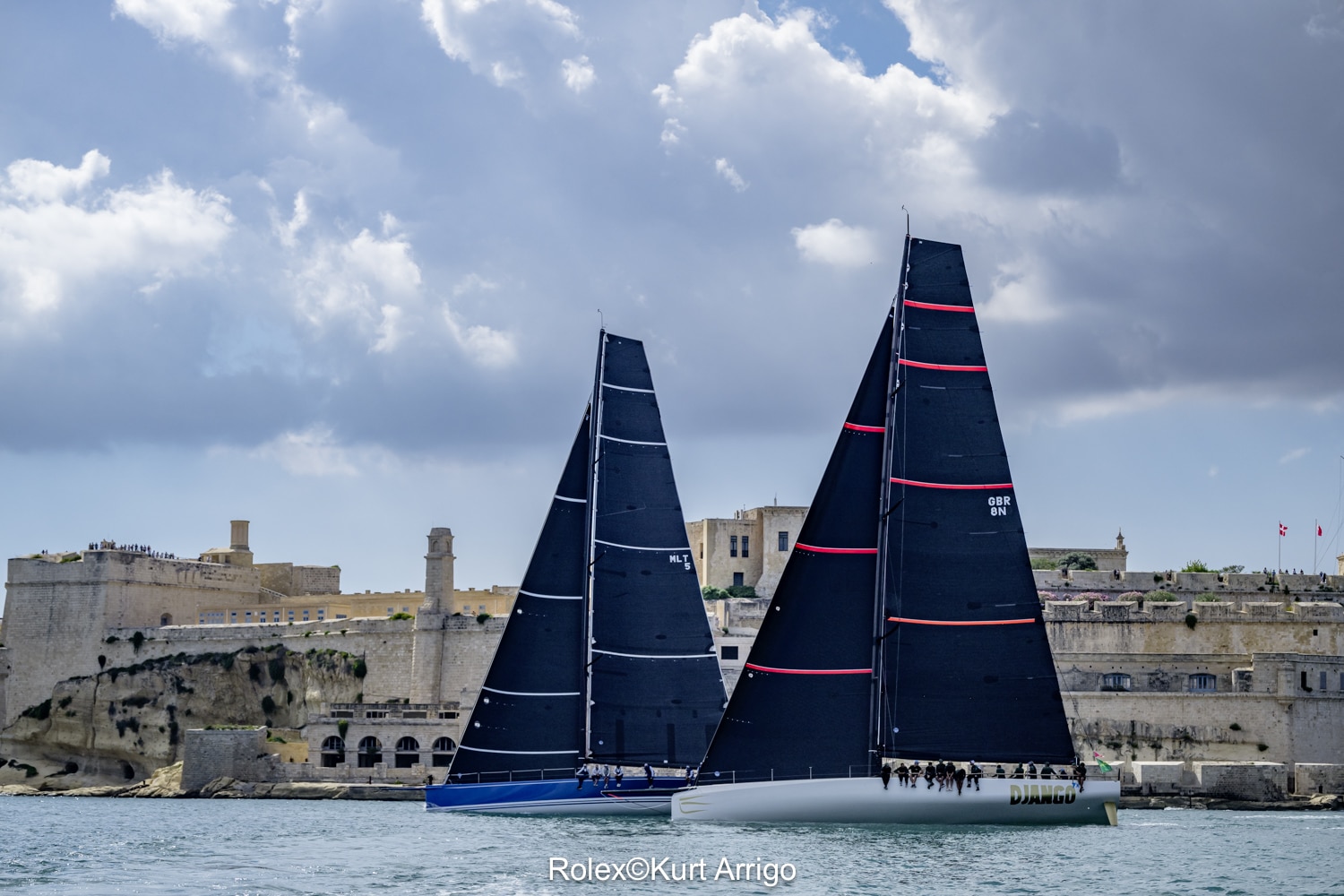
Rolex Middle Sea Race reinforces Malta’s international sailing profile
Tourism Minister Jo Etienne Abela highlighted that this year’s race brought together more than 100 vessels representing 43 countries
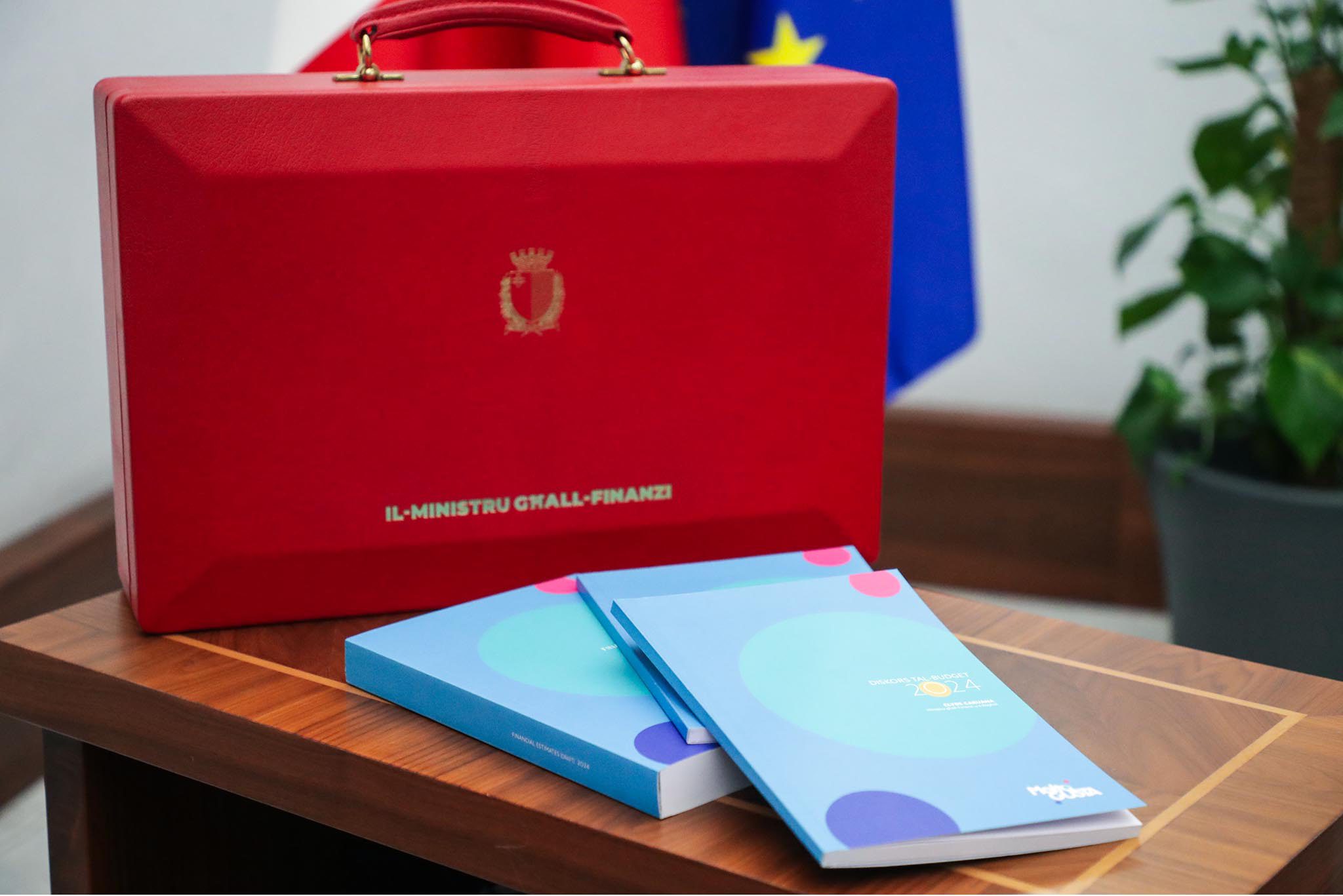
Tax cuts, AI incentives and infrastructure investment: What businesses want from Budget 2027
From corporate tax reductions and digitalisation grants to infrastructure investment and workforce development