


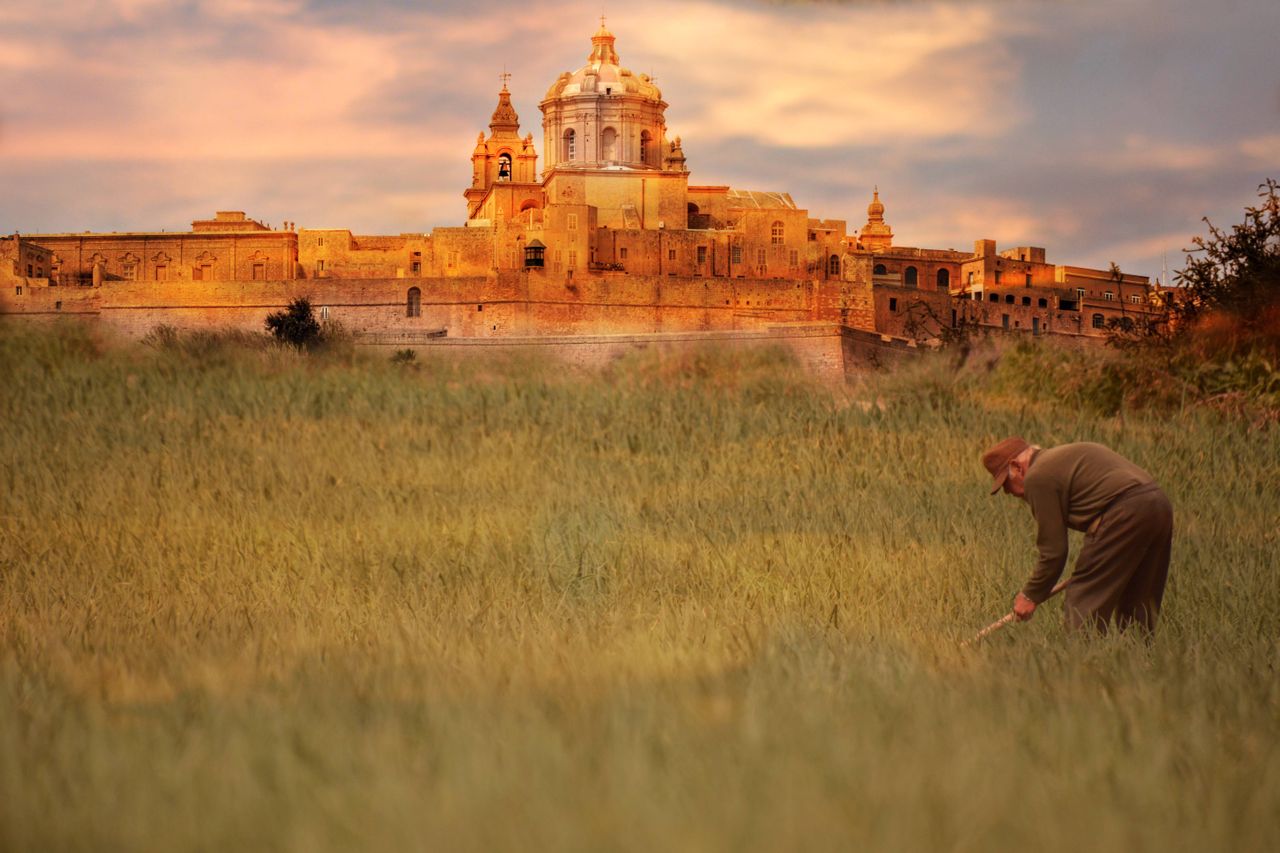
Malta's agricultural land protection laws have attracted international attention after being highlighted in Irish farming media, drawing fresh focus to little-reported rules that impose fines on landowners who fail to keep farmland in agricultural use.
Malta's regulations aimed at protecting agricultural land have been thrust back into the spotlight after being referenced by an Irish farming publication covering reforms designed to curb land speculation and strengthen food security.
An article published by the Farmers Journal reported that Malta's Labour Government is targeting non-farmer investors who acquire agricultural land but leave it unused, noting that the reforms are intended to help active farmers gain better access to land. The publication highlighted that the new laws are designed to protect farmland from degradation, ensure agricultural activity takes place every year, and improve the long-term viability of farming, while drawing attention to fines ranging from €500 to €2,500 for a first offence and up to €11,000 for repeat breaches.
Although these penalties were introduced through the Protection of Agricultural Land Regulations in 2025, they received relatively little attention locally at the time. The regulations require farmers and landowners to register agricultural land and submit an annual crop plan.
They also introduce a minimum level of agricultural activity, including a requirement for land to be tilled at least once a year and for trees to be maintained in good agricultural condition. Failure to comply can ultimately lead to criminal proceedings and significant financial penalties.

The renewed attention follows a speech delivered by Labour MP and lawyer Ramona Attard at an Oireachtas (Parliament of Ireland) conference, where she outlined Malta's approach to safeguarding agricultural land. She said the Government had committed to "protecting agricultural land from speculation, giving active farmers greater security through legal title over the land they cultivate, encouraging generational renewal, and investing in modern food infrastructure."
Speaking about Malta's particular challenges, Dr Attard also said: "Today, that way of life is under pressure. Malta is a small island with limited agricultural land, scarce water resources and a heavy dependence on food imports." She argued that the Common Agricultural Policy should recognise "the unique challenges of small island states" and provide the flexibility needed to strengthen both farmers and Europe's food security.
The regulations have not been without controversy. The Chamber of Advocates previously raised concerns that some provisions could amount to a de facto expropriation of unregistered land, while questioning the broad discretionary powers granted to the Governmental agency that manages, protects, and regulates agricultural land resources, Riżorsi Agrikoli Malta, and highlighting potential human rights implications relating to property rights.

‘Businesses are making money, but at what cost?’ Malta’s tourism under the lens
Important questions were raised during FAA's national conference on Tuesday (today)

Planning Malta’s future, one shared map at a time
Ahead of the PA's annual conference, Joseph Gauci discusses integrated planning, 3D mapping and global insights for Malta’s future.

PA CEO resigns as director of his consultancy firm
The PA CEO remains the sole shareholder of the consultancy firm, under his legal name 'John Buttigieg'