


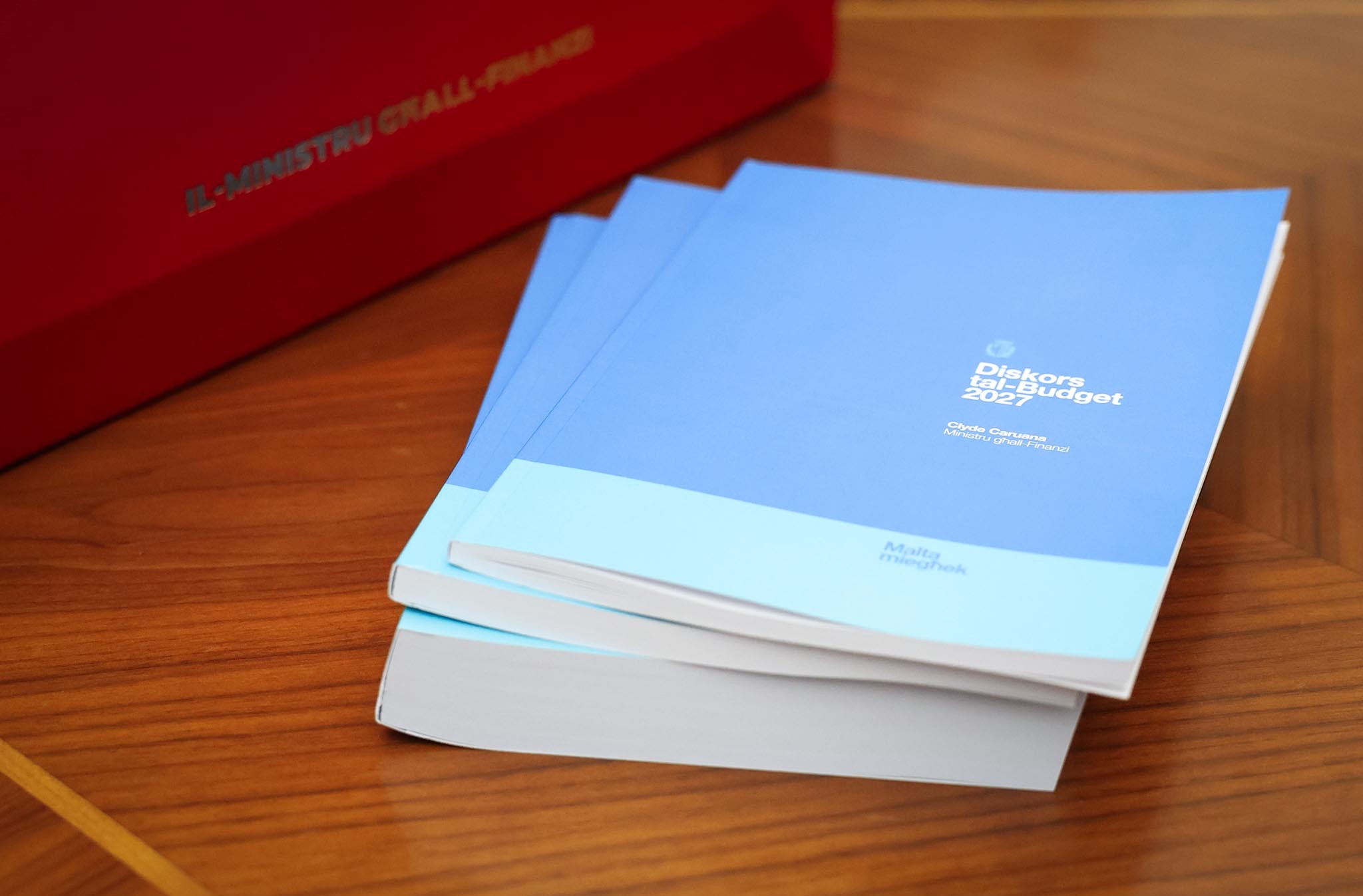
The measures affecting third country nationals that were announced in the Budget are unfair and unnecessary, 85 per cent of non-EU residents who responded to a survey said.
Alongside its main survey of Maltese adults, Esprimi ran a companion survey of non-EU residents, to understand how the people most directly affected by the new fees and eligibility rules see the Budget.
122 non-EU residents took part, most of whom do not hold long-term residence. “The survey was promoted mainly through social media and community channels, so the results describe the people who took part.”
Their verdict on the measures that affect them is clear: 85 per cent of the non-EU residents describe them as unfair and unnecessary, 6 per cent said they were unfair but necessary. The rest mainly said they were fair, but either necessary or unnecessary.
Maltese respondents to the main survey had answered differently: 46 per cent said they are fair and necessary, 4 per cent fair but unnecessary, 25 per cent unfair but necessary and 22 per cent unfair and unnecessary.
The least welcome measures among non-EU residents were the €400 annual infrastructure contribution for third country nationals (71 per cent), higher work permit fees for TCNs (70 per cent), and the end of free childcare for TCNs (68 per cent).
The most welcome measures among non-EU residents were the minimum wage increase (44 per cent), Investment in Mater Dei Hospital, including the Emergency Department extension (39 per cent), and the energy and fuel subsidies (36 per cent).
Asked how likely they are to still be living in Malta in two years’ time, 46 per cent of non-EU respondents said unlikely, compared with 7 per cent of Maltese respondents. A further 20 per cent of the non-EU respondents were unsure.
On everyday services the two groups largely agree. Non-EU respondents are as unwilling as Maltese respondents to accept longer hospital waits, fewer care home places or less frequent buses.
Scope Ratings affirms Malta’s A+ rating, flags energy subsidy pressures
'Private consumption remains a key driver of economic activity,' it said
‘Labour market conditions remained tight but showed some signs of moderation,’ Central Bank says
In the second quarter of 2026, the overall employment rate increased to 80.1 per cent
Nearly half of Maltese adults want less reliance on non-EU workers, but most won’t accept higher prices – survey
Seven in ten consider the Budget’s new fees and restrictions for third-country nationals necessary