


Malta’s economy showed mixed signals in the latest economic review issued by the Central Bank of Malta, with business activity holding close to its historical average, borrowing by hotels and restaurants on the rise, and inflation running higher than the euro area average.
The Bank’s Business Conditions Index indicated that activity in August was in line with long-term averages.
However, its Economic Policy Uncertainty Index – which tracks signals in local media – remained above its historical norm, showing that businesses are still operating in a climate of uncertainty despite some easing from previous months.
Credit granted to Maltese businesses grew by 5.7 per cent in the year to June, up from 3.7 per cent a month earlier. The increase was largely driven by higher borrowing from the accommodation and food services sector, as hotels and restaurants continue to capitalise on Malta’s booming tourism industry.
Smaller increases were also seen in the retail, construction, and real estate sectors, while loans to manufacturing and ICT-related industries fell.
Unemployment remained at a historically low 2.6 per cent in August, underlining a tight labour market. At the same time, European Commission surveys showed stronger economic sentiment but weaker employment expectations among Maltese firms, suggesting businesses are less optimistic about hiring.
Activity in the housing market also picked up, with more permits for residential buildings issued in July compared with a year earlier, and both promise-of-sale agreements and final deeds rising in August.
Inflation stood at 2.7 per cent in August, higher than in July and above the euro area average. Prices excluding food and energy also rose at the same rate, pointing to broad-based price pressures.
Meanwhile, public finances weakened in July, with the Consolidated Fund shifting into deficit compared with a surplus the previous year, as revenue fell and expenditure surged.
Overall, Malta’s economy is holding steady, supported by tourism-related lending and a resilient labour market. However, elevated uncertainty, weaker industrial activity, and persistent inflation suggest challenges remain on the horizon.

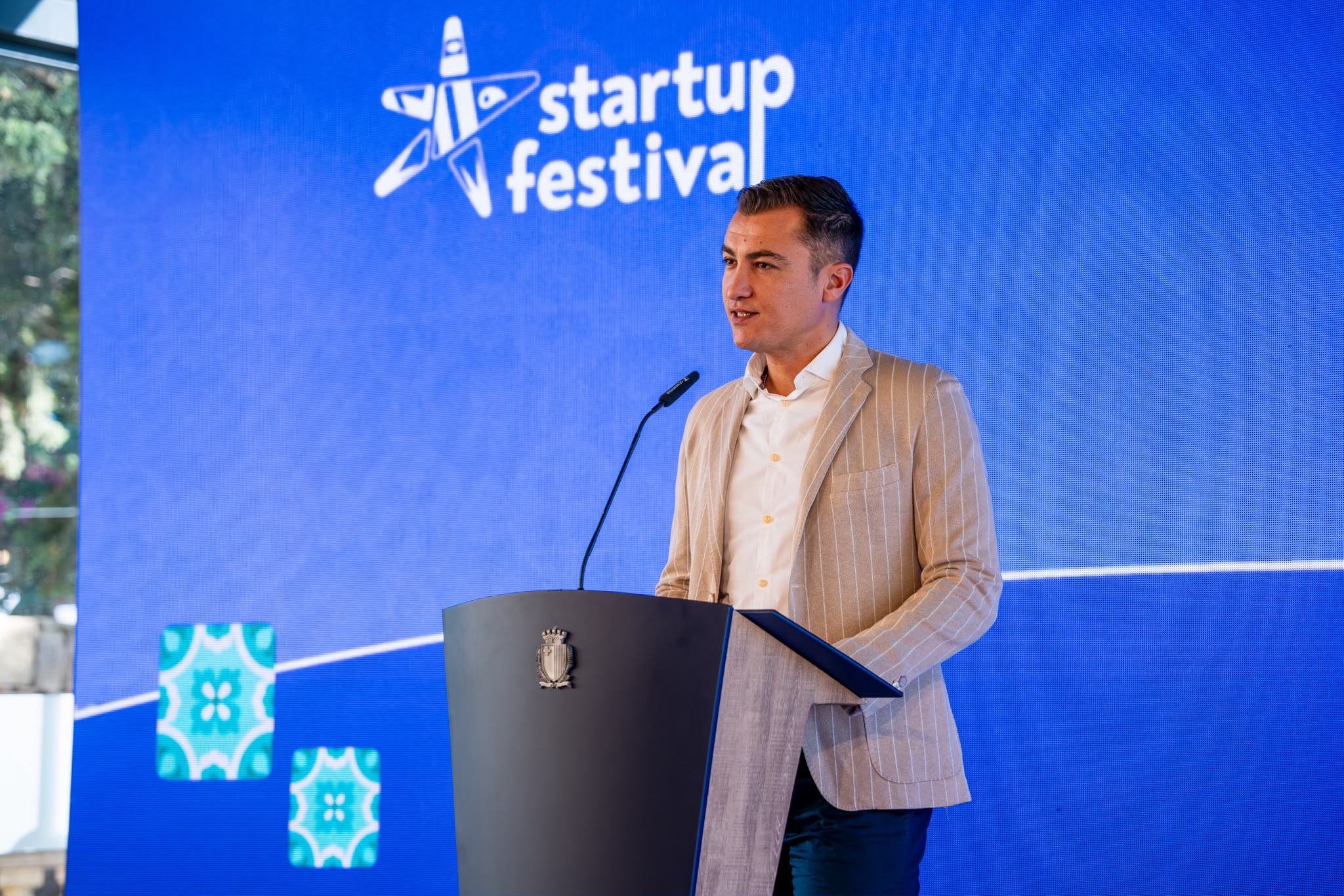
More than 50 startups collectively awarded €15 million in financial assistance
These businesses have created around 250 quality jobs, Government said
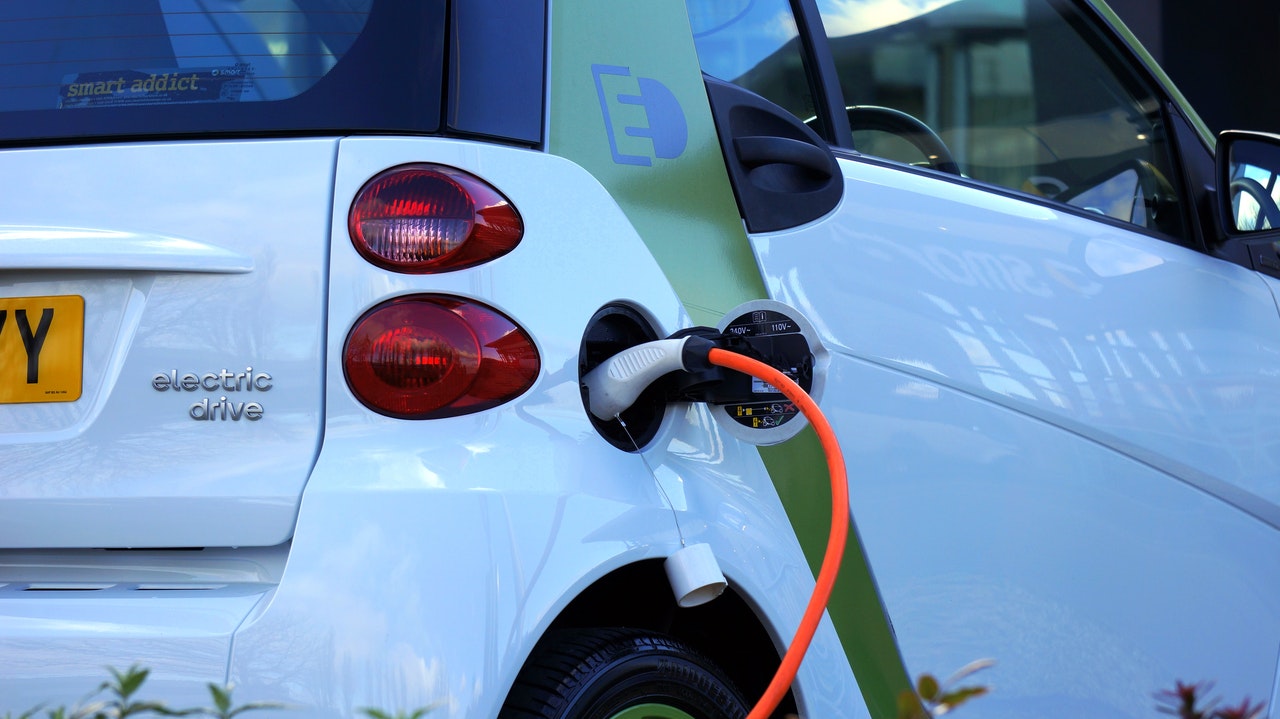
Insurers call for urgent clarity over EV disposal procedures while highlighting ‘practical difficulties’
Malta currently lacks suitable facilities for treating these batteries, association said

Working remotely abroad? Businesses warned of potential tax risks at Mobility Elite Summit
Working remotely abroad is not just a matter of finding a nice place