



Third-country nationals working in Malta will now be required to complete a course on Maltese culture and language as part of new rules tied to residence permit renewals, according to a measure introduced under the Government’s Malta Labour Migration Policy.
The course, developed by the Ministry for Home Affairs, Security and Employment, will be offered by licensed educational institutions and includes mandatory attendance and an examination. While applications are submitted through the Identità platform, the exam will be administered by the Government’s Examinations Department.
The reform links successful completion of the course to the possibility of securing a longer residence permit. Workers who meet the requirements, including completing the training and passing the exam, may qualify for a two-year renewal instead of the standard one-year permit, subject to additional conditions.
The course is primarily targeted at individuals in roles classified as low-skilled. Participants will be assessed on a syllabus covering Maltese culture, traditions, civic participation, legal awareness, personal and professional development, as well as basic Maltese and English language skills.
For higher-skilled workers, longer permit renewals will instead depend on evidence of training. In certain schemes, including the Key Employment Initiative, the Special Employment Initiative, and the EU Blue Card directive, permits of up to three years may be granted. A similar three-year renewal may also apply to workers holding a higher-level skills card in tourism, provided they are on a three-year employment contract.
Announcing the measure, Minister for Home Affairs, Security, Reforms and Equality of Malta Byron Camilleri said the reform is intended to improve labour market stability by ensuring that foreign workers are better integrated and trained.
Educational institutions interested in delivering the course must register their interest with Jobsplus.

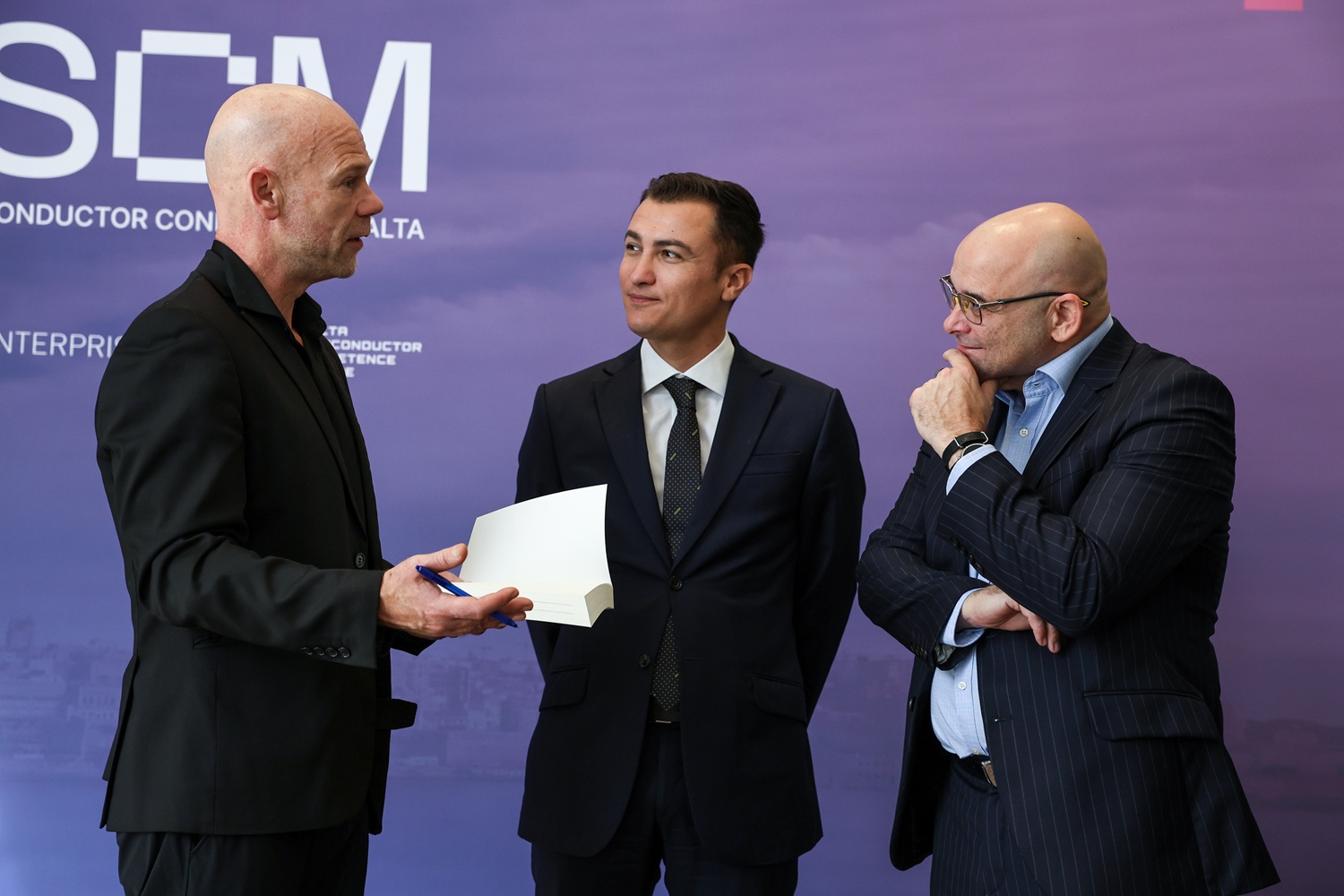
First 12 semiconductor start-ups complete Silicon Catalyst’s incubation programme
A second group of 12 companies has already started the programme

Household disposable income reaches €16 billion
BOV noted that compensation of employees remained the principal source of household income
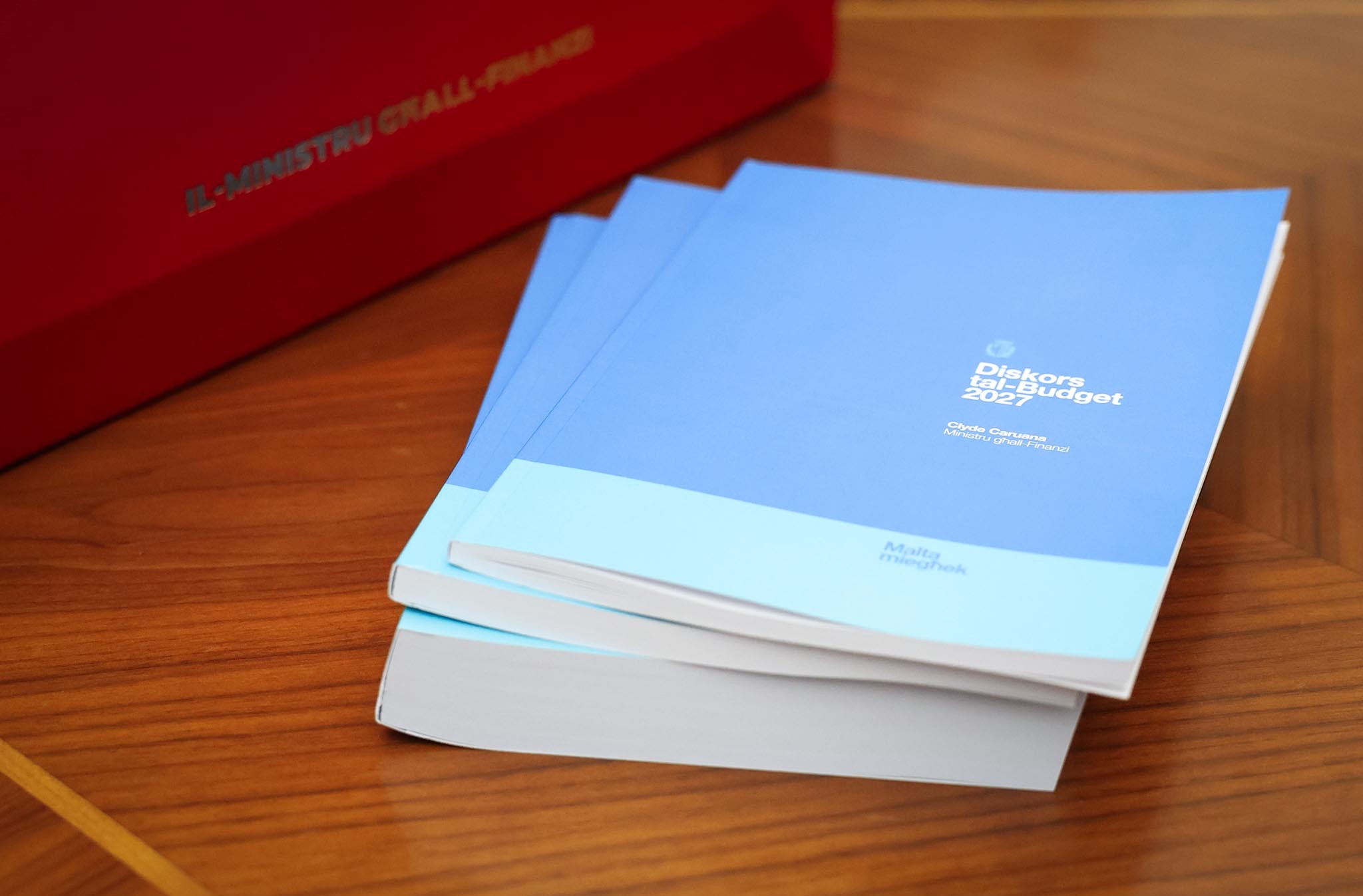
85% of non-EU survey respondents say TCN Budget measures are unfair and unnecessary
The least welcome measures among non-EU residents was the €400 annual infrastructure contribution