



The Central Bank of Malta has confirmed that the minimum value for issuing cheques will increase from €20 to €50, as part of a broader regulatory update aimed at modernising Malta’s payments landscape.
The new €50 threshold will apply from 1st January 2027, with the current €20 minimum remaining in force until then.
The measure forms part of amendments to Directive No. 19 on the use of cheques and bank drafts, which sets out updated rules governing paper-based payment instruments in Malta.
The increase in the minimum cheque amount builds on earlier reforms introduced in 2021, when the Central Bank first set a €20 floor.
The new threshold had already been proposed during a public consultation process, where the Central Bank outlined plans to streamline cheque usage while reducing operational and fraud-related risks associated with paper-based payments.
Last year, Bank of Valletta (BOV) told BusinessNow.mt that cheque usage is already on the decline thanks to the growing range of digital payment options available to customers.
“With mobile-to-mobile payments through BOV mobile, and with the introduction of SEPA Instant Payments, our customers already have several alternatives to issuing cheques,” a BOV spokesperson said.
Additional measures
The revised directive introduces a series of additional measures that will come into force alongside the new minimum threshold in 2027.
These include:
- reducing the validity period of cheques from six months to three months
- requiring all cheques to be deposited directly into a bank account rather than cashed
- ensuring funds are made available by the next business day, or immediately if deposited at the issuing bank
Together, these changes are designed to improve efficiency, strengthen traceability, and align cheque usage with anti-money laundering standards.
Businesses that still rely on cheque payments may need to review their processes and accelerate the adoption of digital payment solutions to remain aligned with the evolving regulatory framework.

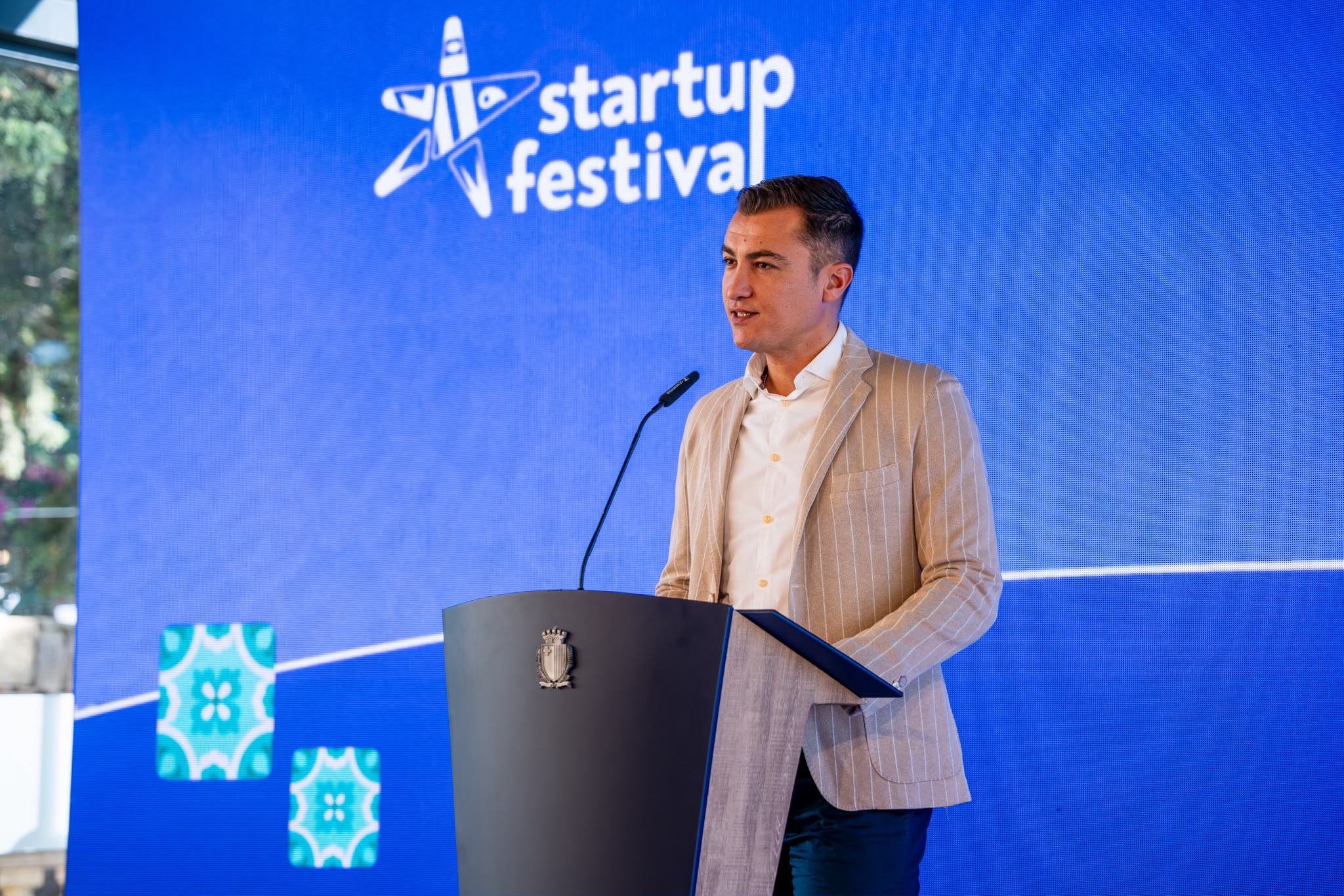
More than 50 startups collectively awarded €15 million in financial assistance
These businesses have created around 250 quality jobs, Government said
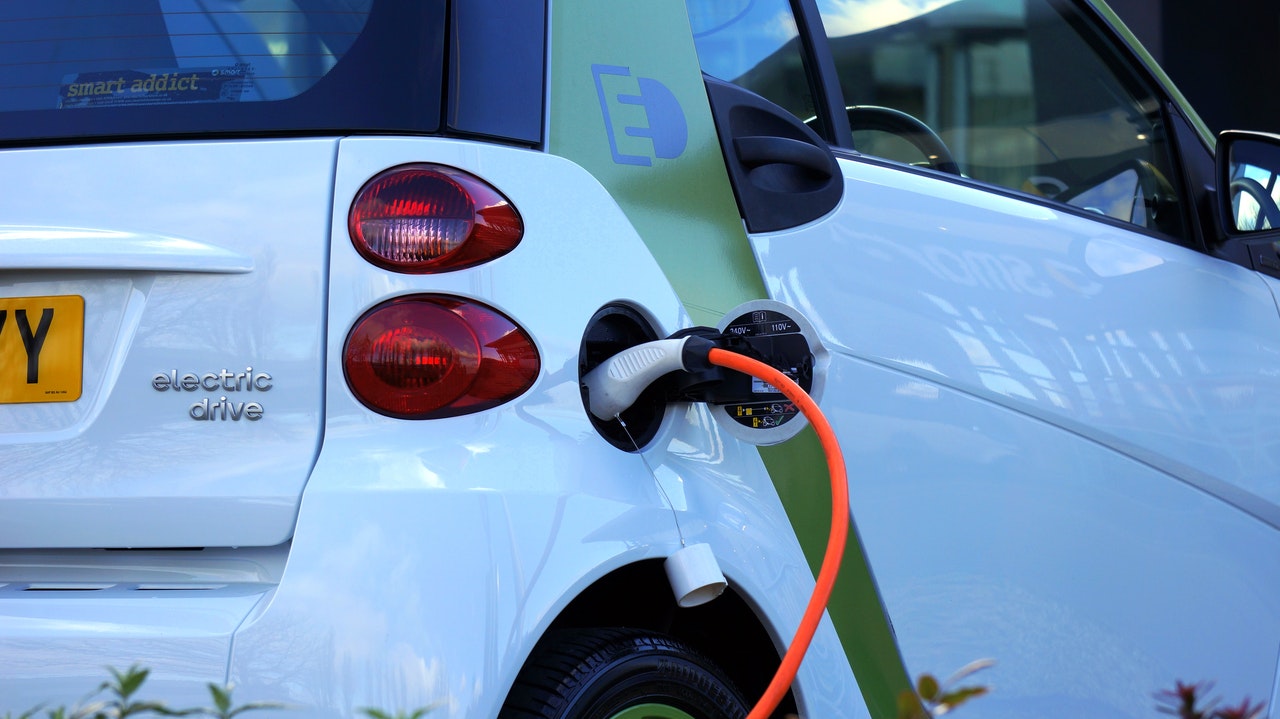
Insurers call for urgent clarity over EV disposal procedures while highlighting ‘practical difficulties’
Malta currently lacks suitable facilities for treating these batteries, association said

Working remotely abroad? Businesses warned of potential tax risks at Mobility Elite Summit
Working remotely abroad is not just a matter of finding a nice place