



The unemployment rate for March 2021 stood at 4.1 per cent, down by 0.1 percentage points from previous month and up by 0.2 percentage points from March 2020.
In March 2021, the number of unemployed persons was 11,390, with the unemployed males and the 25 to 74 age group being the major contributors to the overall level of unemployment, the National Statistics Office said.
The seasonally adjusted number of unemployed youths amounted to 2,807, whereas those aged between 25 and 74 stood at 8,582.
In March 2021, the unemployment rate for males was 4.1 per cent, at par with the previous month. The rate for females stood at 4.2 per cent, down by 0.1 percentage points from February 2021 estimates.
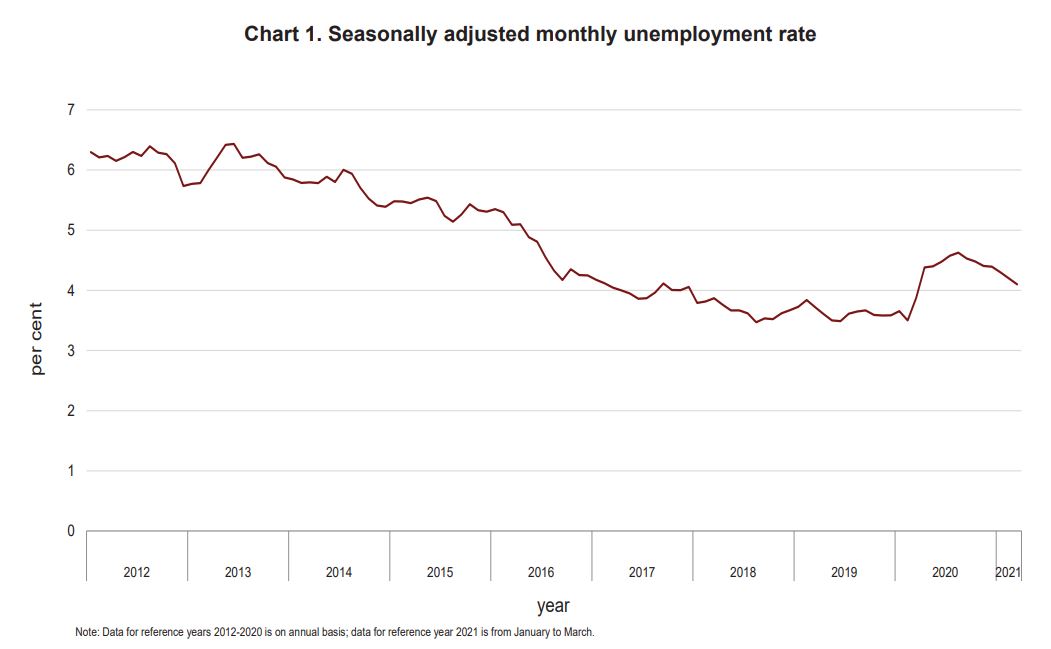
The unemployment rate for persons aged 15 to 24 years (youth unemployment rate) was 10 per cent, while the rate for those between 25 and 74 years old stood at 3.5 per cent.
As part of the Government’s recipe response to devastating pandemic-related disruption to the economy, Prime Minister Robert Abela has said the key is avoiding rising unemployment, helped primarily through the COVID wage supplement, and preventing businesses from failing, supported through a series of initiatives.
The Central Bank, the European Commission and international credit rating agencies have throughout the pandemic consistently credited Malta’s resilient labour force for contributing to the prevention of more significant economic hardship across society.


Malta now has more €1,500,000+ homes for sale than ones under €250,000
A full quarter of the homes available for no more than €250,000 are in Gozo

Perit proposes underground transport network to tackle traffic, flooding and lack of open spaces
He calls the project 'A Second Malta'

AX Group calls for destination hubs as part of tourism strategy shift in Budget recommendations
Development of a national employment and skills strategy, investment in infrastructure, tourism strategy shift are its top priorities