


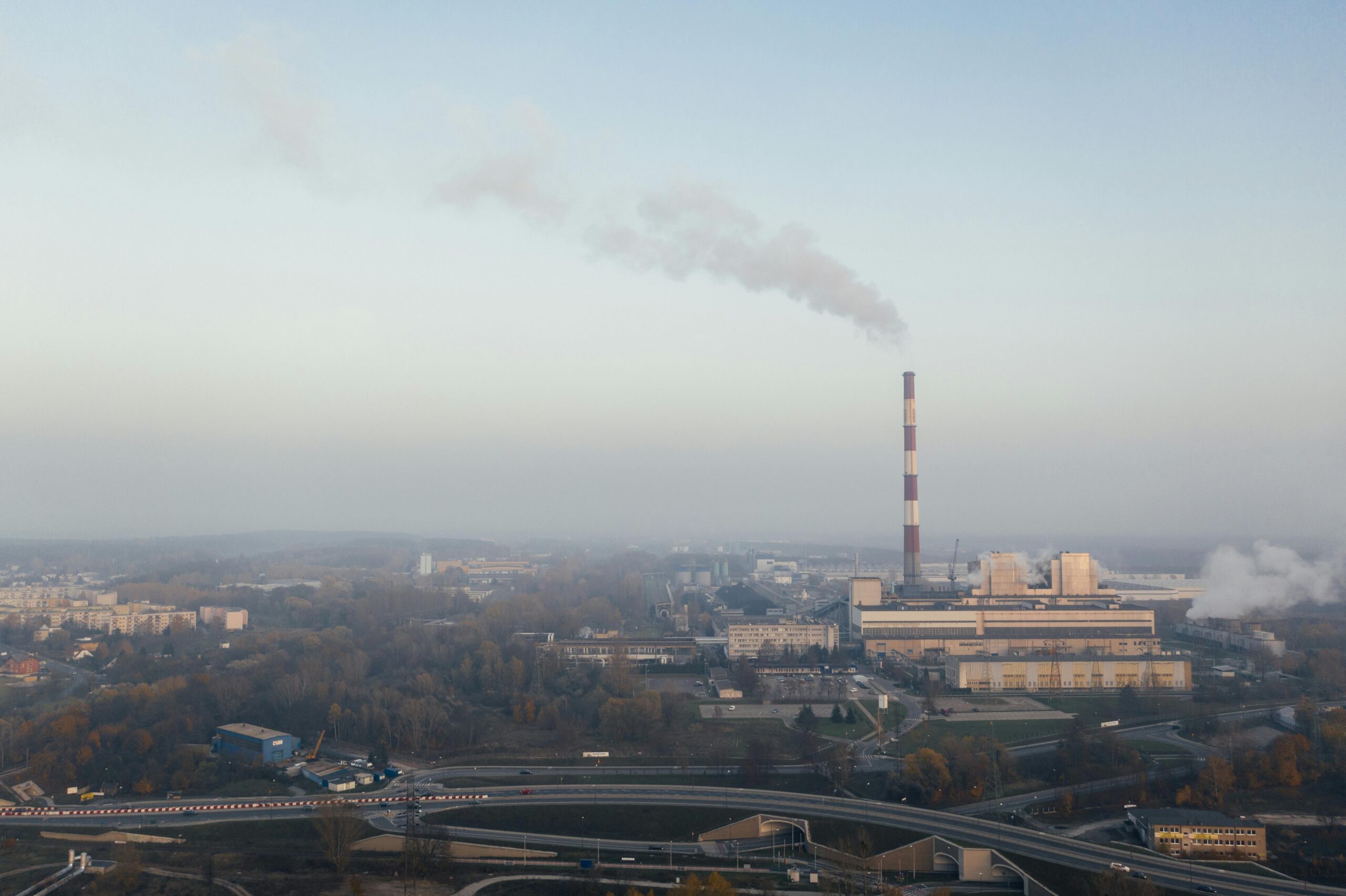
The Malta Business Bureau (MBB) has called for caution regarding the European Commission’s proposal to set an unprecedented 90 per cent binding target on greenhouse gas (GHG) emissions reduction by 2040, compared to 1990 levels.
For businesses, particularly those in energy-intensive sectors, the proposed target presents both opportunities and challenges, says the MBB, adding that while it creates potential for innovation in greener products and efficient resource use, it will also demand substantial costs and investments to achieve the required emissions reductions.
Maltese businesses are especially hit hard by stringent environmental legislation, due to Malta’s geographic situation, dependence on air and sea transport, and high trade costs.
Head of Projects & Sustainability Gabriel Cassar commented, “through simplification initiatives over the past few months, the European Commission has acknowledged that it acted too hastily in proposing several pieces of new environmental legislation during the last term. While we value the EU’s climate objectives, they were not accompanied by sufficient support mechanisms, such as attractive financing and appropriate transition periods, which would ensure competitiveness and growth. We are now facing a situation where EU legislation is being amended and revised, in some cases even prior to being implemented.”
“A 90 per cent GHG reduction by 2040 will undoubtedly require further major changes at both member state and company levels. The MBB calls on the Commission and EU legislators to learn from recent experience and adapt future policy proposals accordingly,” he added.
The 2040 proposal includes flexibility mechanisms to help member states reach the target, including the use of Carbon Capture and Storage (CCS) and international carbon credits.
EU climate targets lay the groundwork for its long-term climate policy framework. The current binding target aims for a 55 per cent reduction in GHG emissions by 2030. This was accompanied by a wave of new EU environmental legislation impacting all sectors, most notably transport, energy production, and manufacturing.
According to Commission assessments, the EU is currently on track to achieve a 54 per cent reduction in GHG emissions by 2030; just one percentage point short of the target. This progress reflects the strong commitment of all stakeholders and businesses to reduce their environmental impact and contribute positively to the green transition. Nonetheless, the cost to the competitiveness of European businesses and island-based operators should be properly acknowledged.
“Strong dialogue between businesses and policymakers will be crucial to ensure a fair and gradual shift to a low-carbon economy to absorb additional costs in a proportional way,” said the MBB in a statement.
The proposal will now move forward to the Council of the EU and the European Parliament for evaluation and adoption.

ACE: VAT cut to 7% ‘primarily aimed at supporting industry’, with consumers only indirect beneficiaries
ACE says it has long advocated for a VAT reduction

Malta’s rubbish recycling rate places it among EU’s worst performers
Malta continues to lag significantly behind leading performers such as Germany
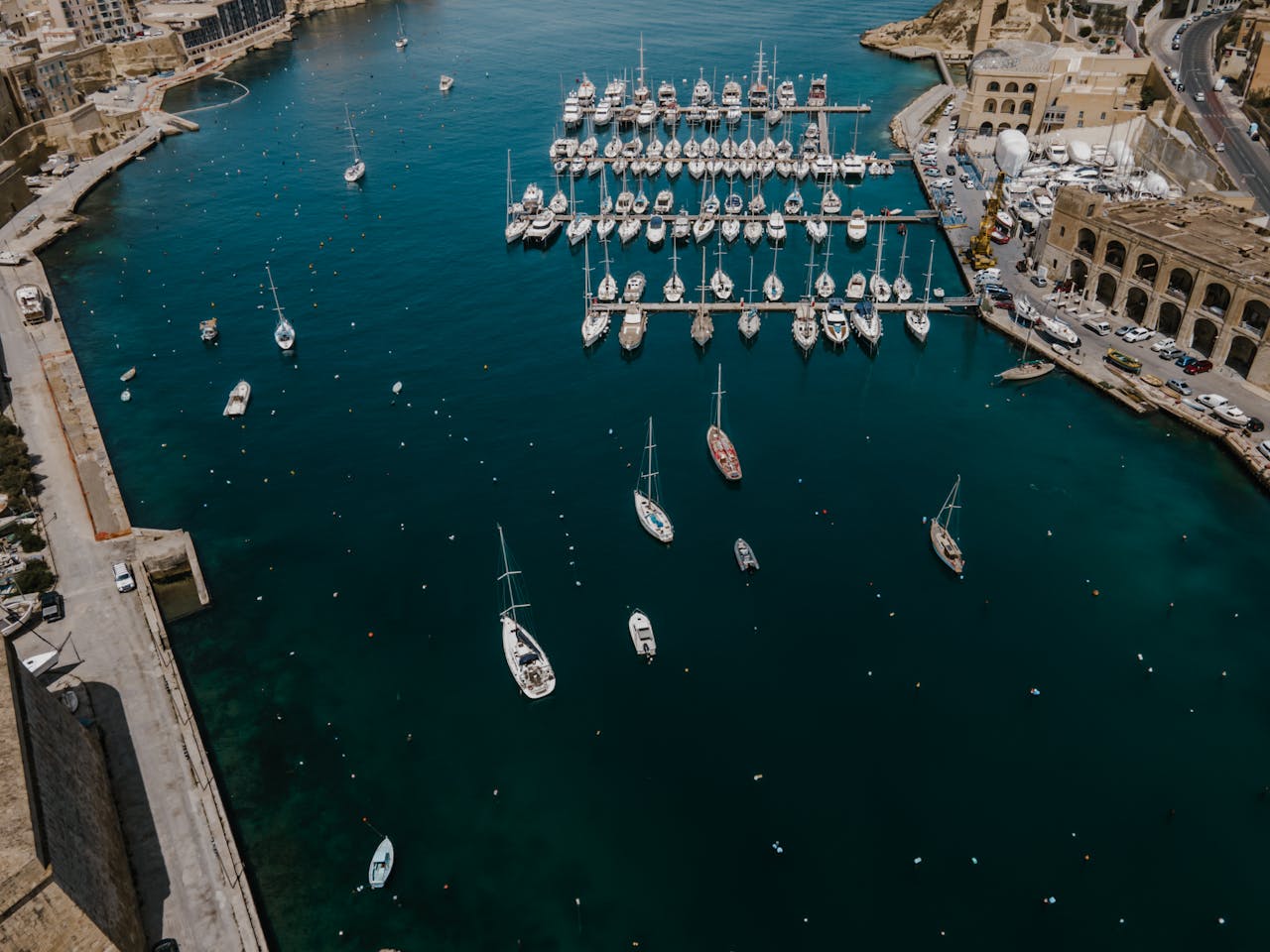
EU-funded acceleration programme targets Maltese blue economy startups
Equity-free funding, international pilot testing and investor connections are on offer for Maltese startups through the MED-Hubs programme