



Melita Limited has emerged as the service provider with the lowest rate of complaints in the provision of electronic communication services, according to the latest half-yearly report of the Malta Communications Authority (MCA).
The MCA, as the competent regulatory authority, provides assistance to those end-users who encounter difficulties while using any of the services offered by Epic Communications Ltd, GO plc and Melita Ltd.
The MCA only handles complaints once end-users have exhausted all avenues of resolving the matter directly with the operator and are still unhappy with the outcome.
The MCA’s end-user affairs report shows that when compared to its competitors, Melita had the lowest number of complaints.
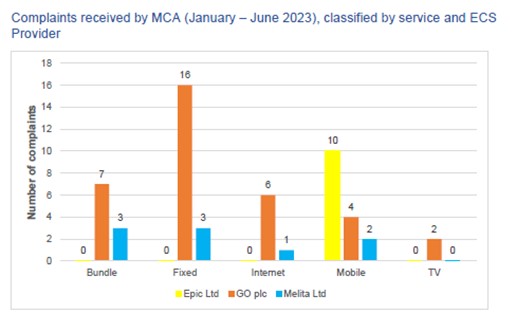
Graziella Costa, head of customer experience at Melita, said: “The authority’s reports are a good indicator of where Melita stands in the field of telecommunications in Malta and we welcome these results, which encourage us to continue delivering exceptional consistency and reliability to our end users.
“However, while we celebrate this accomplishment, we remain acutely aware that there is always room for improvement. Melita understands that customer satisfaction is an ongoing journey, and we are dedicated to raising the bar even higher. Our constant push towards excellence drives us to continuously enhance our services, infrastructure, and customer support to better meet the evolving needs and expectations of our customers.”

2027 COLA expected at around €5, says Finance Minister
The figure is expected to become clearer once the latest Retail Price Index data is available

Malta’s tourism success should not be measured by arrivals alone – Robert Abela
The Prime Minister wants s a model increasingly based on quality, value and sustainability
Pushy insurance salesmen exposed in MFSA mystery shopping exercise
The exercise involved 17 mystery shopping interactions and covered insurance intermediaries