


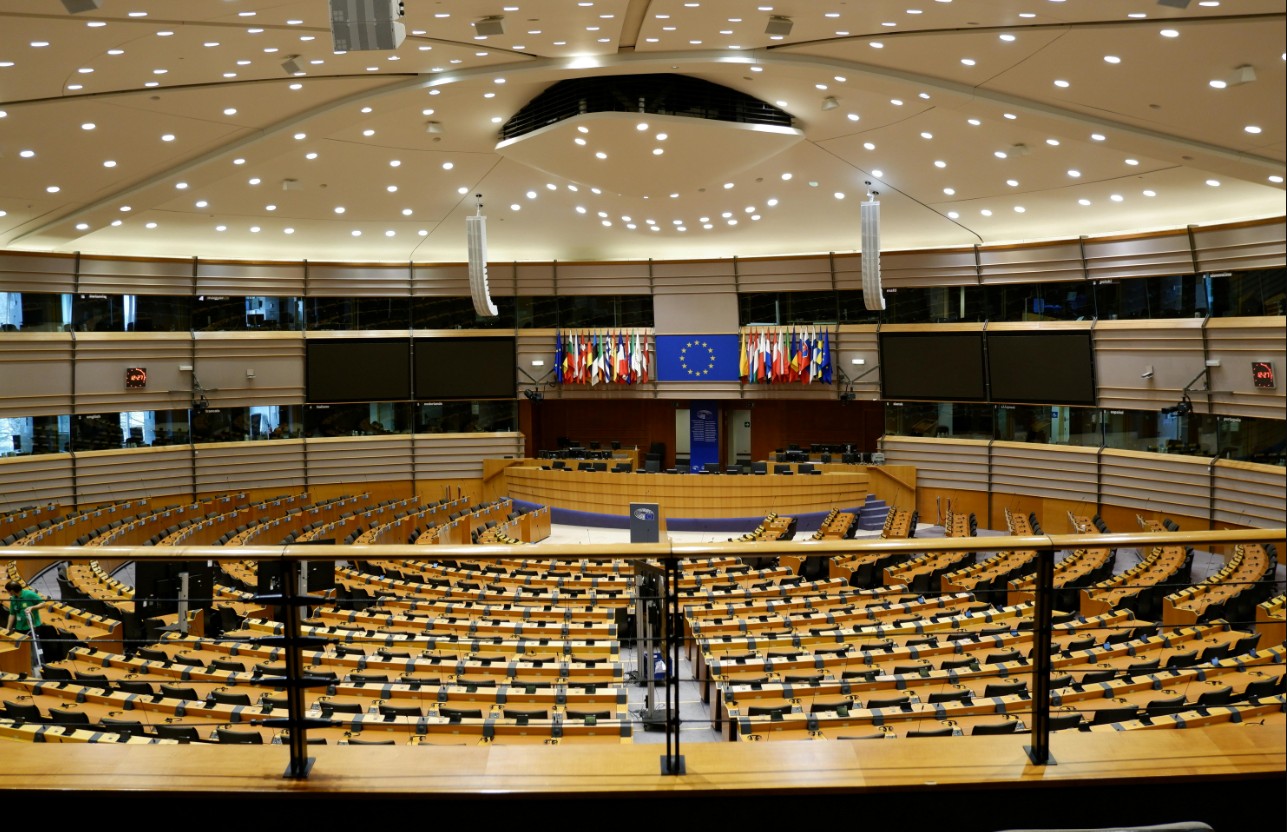
The European Parliament has approved a series of proposals designed to strengthen the European Union’s economic competitiveness and align with the objectives set out in the Draghi Report – a landmark study warning that Europe risks falling behind global rivals such as the United States and China.
The resolution was adopted on Wednesday with 407 votes in favour, 161 against, and 97 abstentions, following a debate earlier in the week. MEPs emphasised that if the EU fails to act, it could “continue lagging behind, and risk becoming irrelevant,” particularly amid growing geopolitical instability.
The Draghi Report, led by former European Central Bank President Mario Draghi, calls for massive public and private investment to revitalise Europe’s economy. It highlights the need to strengthen the single market, reform energy systems, and expand industrial policies that support strategic sectors such as clean technology, semiconductors, and artificial intelligence.
Boosting access to finance and private investment
MEPs are urging the European Commission and Member States to take concrete steps to make financing more available and affordable, particularly for small and medium-sized enterprises (SMEs) and innovative ventures. They proposed the creation of larger venture capital and growth funds, financed in part by transforming personal savings into investments, and called for a coordinated EU strategy on financial literacy.
They also called for the rapid completion of the banking union, capital markets union, and the savings and investments union. MEPs further proposed the establishment of a pan-EU equity listing and trading environment to help start-ups remain in Europe and grow, along with reforms to corporate taxation to improve the business environment across Member States.
Combining public and private investment
The resolution stresses that public investment should complement private capital to close Europe’s investment gaps. MEPs argue that joint borrowing through EU bonds could ensure that the bloc has sufficient resources to respond to Union-wide crises. They urged the European Commission to “advance the discussions on addressing the significant investment gaps in the EU” and to put forward “concrete proposals for financing solutions.”
‘A path towards greater financial independence’
Following the vote, French rapporteur Aurore Lalucq said the Parliament’s message was clear. “A year ago, the Draghi report painted a bleak picture of our continent’s economic situation,” she noted. “The European Parliament has chosen to respond with this report, which sets out a path towards greater financial independence for the European Union in order to halt its economic and political decline.”
She added that it is now up to Member States to “build on the momentum initiated by Parliament by turning these recommendations, such as joint supervision or support for sustainable investment, into concrete action.”


Education system ‘stifles creativity’, Malta Employers’ chief says as association calls for ‘transformation’
Association's Director General says system is geared towards conformity

MFSA flags missing information in pension statements
Some pension statements omitted key details on investments, fees, contributions and account changes

Budget should support sustainable economic growth, promote financial stability – BOV
Maintaining a stable and predictable business environment, encouraging investment in productivity remain important, it said