



The Malta Fiscal Advisory Council (MFAC) has urged Government to exercise strict control over expenditure growth after its latest assessment of the Half-Yearly Report 2025 revealed that Malta’s mid-year deficit was significantly below forecast levels.
According to the MFAC, the deficit for the first half of 2025 stood at €172 million on an accrual basis, compared to a full-year projection of €787.8 million. This outcome was mainly driven by strong tax revenues, particularly from income tax and social contributions, as well as savings in certain expenditure items.
Despite this better-than-expected fiscal position, the Council cautioned that government expenditure rose by 8.8 per cent during the first six months of the year. Given that Malta must keep nationally financed net primary expenditure growth close to zero in 2025 – following a sharp 14.3 per cent increase in 2024 – the MFAC stressed the need for vigilance to ensure compliance with the EU’s new expenditure rules.
On the economic front, Malta continued to register growth in 2025, although at a slower pace than in recent years. Real GDP expanded by three per cent in the first quarter, with domestic demand remaining the main driver. Tourism performed particularly strongly, with arrivals up 13.5 per cent in the first half of the year and total expenditure by visitors rising by 21.1 per cent. This, together with resilient service exports, led the MFAC to maintain a more favourable outlook than official forecasts, despite weaker performance in goods trade.
Government debt is projected to reach €11.6 billion, or 48.4 per cent of GDP, by year-end, remaining well below the EU’s 60 per centreference threshold. The Council noted that stronger-than-expected growth could result in an even more favourable debt-to-GDP ratio than forecast.
In its recommendations, the MFAC called on the Government to:
- Accelerate structural reforms in areas such as digitalisation, the green transition, research and innovation, infrastructure, and education to sustain long-term growth.
- Strictly adhere to the net expenditure path, controlling recurrent outlays while safeguarding productive investment.
- Ensure that national fiscal legislation is fully aligned with the revised EU fiscal governance framework by the end of 2025, as required by EU Directive 2024/1265.
While acknowledging Malta’s relatively strong economic performance, the MFAC warned that reliance on domestic consumption risks fuelling capacity constraints. It stressed that achieving a sustainable and inclusive growth path will require a shift towards greater investment in productive sectors.


Gozo Business Chamber launches Youth4Entrepreneurship 2026 edition
The initiative is open to people aged 16 – 35 who reside in the Maltese Islands
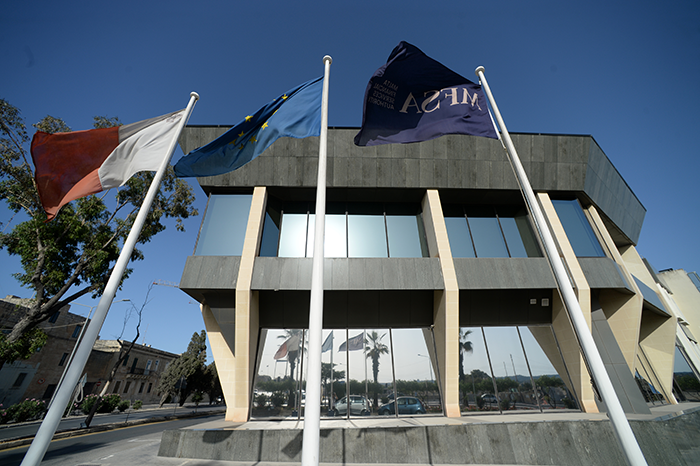
MFSA issued almost €600,000 in administrative penalties during 2025
Apart from the 91 penalties the authority also cancelled the licence of a financial institution
Planning appeals reform ‘should be first item on Parliament’s agenda’ after summer break – PN
'We want to hear directly from stakeholders about how the proposed provisions would operate in practice,' PN says