


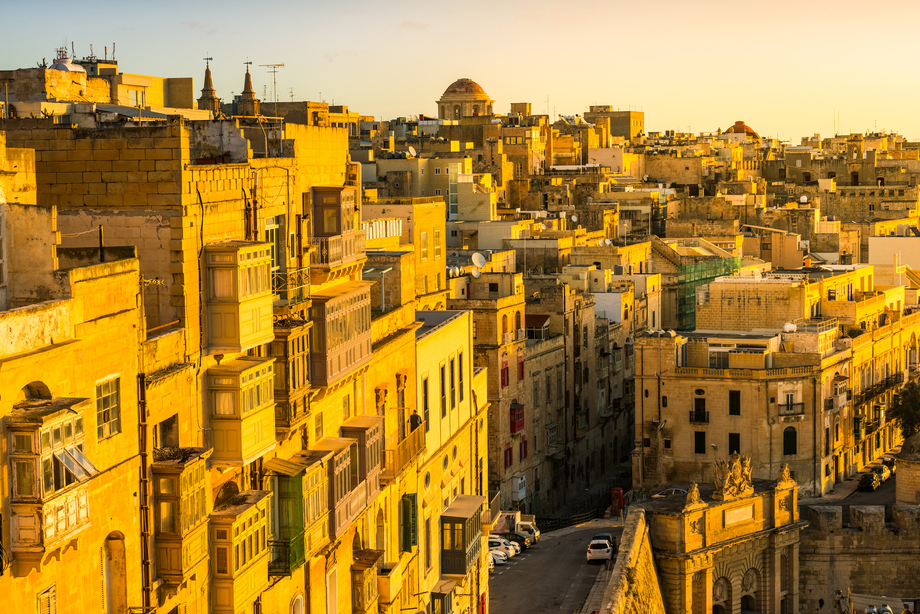
Almost half of Europeans who do not own their home say they are either unable or unwilling to buy one. In Malta, the picture is similarly stark.
According to the RE/MAX European Housing Trend Report 2025, 34 per cent of Maltese respondents who do not own their home believe they will never be able to purchase property. When combined with those who say they are not interested in buying, the figure rises to 49 per cent – just shy of half.
The survey, conducted in August 2025 across 23 countries, asked a direct question: “When, if ever, do you think you will be able to purchase a property?” On average, 29 per cent of Europeans answered: “Never – I don’t think I will ever be able to purchase a property.”
Malta’s 34 per cent places it well above the European average and in line with countries such as Slovenia (39 per cent) and Italy (35 per cent). Across Europe, the combined share of those unable or unwilling to buy stands at 44 per cent.
Affordability pressures mount
Speaking to Euronews Business, RE/MAX Europe CEO Michael Polzler said slow economic growth combined with rising property prices has created sustained affordability challenges, particularly for younger generations.
The Maltese data aligns with domestic market trends. According to the National Statistics Office (NSO), Malta’s Residential Property Price Index (RPPI) rose by 5.7 per cent year-on-year in the third quarter of 2025. The index reached 174.63 (2015 = 100), reflecting continued – albeit moderating – growth.
On a quarterly basis, prices rose by 1.6 per cent compared to Q2 2025. Apartments recorded a 5.3 per cent annual increase, while maisonettes rose by 5.9 per cent.
The RPPI is based on actual transaction data provided by the tax authority and does not distinguish between new and existing dwellings.
For prospective buyers in Malta, this means that even as growth stabilises compared to previous boom years, prices continue to outpace wage growth for many households.
Supply rising, but at what cost?
At the same time, construction activity is accelerating.
NSO data shows that in the last quarter of 2025, 597 building permits were approved for a total of 3,487 new dwellings – a 54.4 per cent increase compared to the same period in 2024. The number of building permits rose by 52.3 per cent year-on-year.
Apartments accounted for 71.8 per cent of approved new dwellings. The highest number of approvals, 263 units, was registered in Santa Venera.
The average number of approved dwellings per building permit stood at 5.8, signalling continued densification rather than a shift toward lower-density housing.
While increased supply would typically ease price pressures, Malta’s persistent demand – driven by demographic change, foreign workers, investment activity and limited land availability – complicates the equation. The sharp rise in permits suggests confidence among developers, but for many would-be buyers, the entry point remains high.
Europe’s divided outlook
Across Europe, the outlook varies widely.
The highest share of respondents who believe they will never buy a home was recorded in Czechia (44 per cent), while Turkey stood at just 13 per cent. When combining those unable and unwilling to buy, Germany ranked highest at 59 per cent, followed by Austria (54 per cent) and the Netherlands (53 per cent).
Malta’s 49 per cent places it close to Italy (49 per cent) and Finland (48 per cent), and above the European average of 44 per cent.
Interestingly, only 15 per cent of European respondents said they are not interested in buying at all. In Malta, the bulk of pessimism appears tied to perceived inability rather than cultural preference for renting.
Across the 23 countries surveyed, 53 per cent of those not interested in buying said they are happy with their current situation. Others cited the responsibilities of ownership (21 per cent), high property prices (19 per cent), or the desire for flexibility (16 per cent).
In countries such as Germany and Austria, renting is culturally embedded and supported by strong tenant protections. Malta, by contrast, has historically been a homeownership-oriented market, with property viewed as both a social milestone and a store of wealth.
A shifting mindset?
According to Eurostat, nearly 70 per cent of EU residents own their home, with around 30 per cent renting. Malta traditionally ranks among the higher-ownership states, but rising price levels may be reshaping expectations.
Polzler noted that property is increasingly viewed less as a social rite of passage and more as a financial strategy. In Malta, this distinction is crucial. For older generations, buying property was often achievable within a few years of stable employment. For younger cohorts facing higher price-to-income ratios, longer saving periods and tighter lending conditions, the path is less straightforward.
The latest data suggests that while cranes remain visible across the skyline and permits continue to surge, confidence among non-owners is fragile.
With 49 per cent of Maltese non-homeowners doubtful they will ever step onto the property ladder, the challenge for policymakers and the private sector alike will be balancing growth, supply, and accessibility in a market that remains central to both household wealth and economic stability.

Maltese trailers ‘face €272 surcharge’ for Genoa trip due to war-driven cost surges
ATTO warned these increases will ripple through the supply chain and ultimately impact Maltese consumers
Maltese food import and distribution market ‘getting harder for small businesses’
Jonathan Shaw says it has become hard for businesses to operate

From global platform to local habit: How Wolt became part of everyday life in Malta
Today, Wolt works with more than 1800 of local businesses across Malta and Gozo