


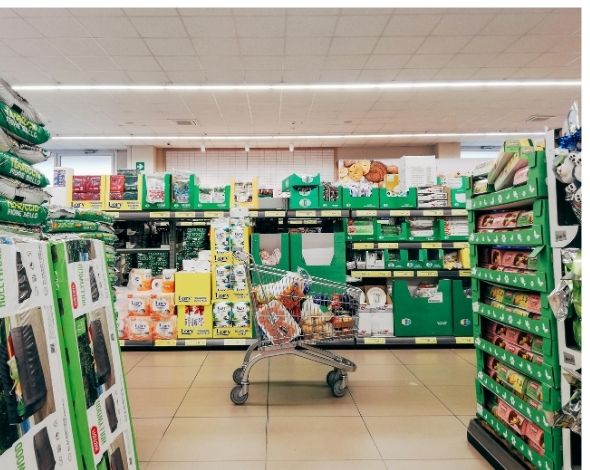
The local food import and distribution market has become increasingly tough for small businesses, Jonathan Shaw has warned.
Mr Shaw is a partner at Hatten M&A Advisory, a leading merger and acqusition advisory firm.
He tells BusinessNow.mt that the market is so competitive and fragmented that it has become extremely tough for businesses to operate unless they import and distribute a large portfolio and volume of brands.
Meanwhile, some supermarkets are opting to purchase brands that aren’t represented by local agents while others are engaging in aggressive parallel trading by sourcing products from overseas rather than through local agents.
Other large foreign discount supermarkets are known to import directly the bulk of their goods and in doing so bypass local importers.

Meanwhile, because of reasons above and others, the distribution of goods to supermarkets, restaurants, hotels and grocers has become an increasingly tough challenge.
“Finding good truck drivers to distribute goods has become one of the biggest headaches in the industry,” he said.
“Traffic has also significantly increased delivery costs. If a trip that used to take an hour now takes two hours, it means that the cost of delivery has doubled.”
In light of this situation, Mr Shaw said that some smaller players in FMCG are willing to merge their businesses or even sell them entirely.
On the other hand, a number of other suppliers and importers are constantly looking at such opportunities to consolidate and seeking to acquire such business and their portfoilio of brands as even they are feeling the pressure and need to grow further and tap in economies of scale.


Malta businesses face tougher consequences for failing to follow sanctions guidelines
Failure to put appropriate sanctions controls in place may also be used as evidence in criminal proceedings
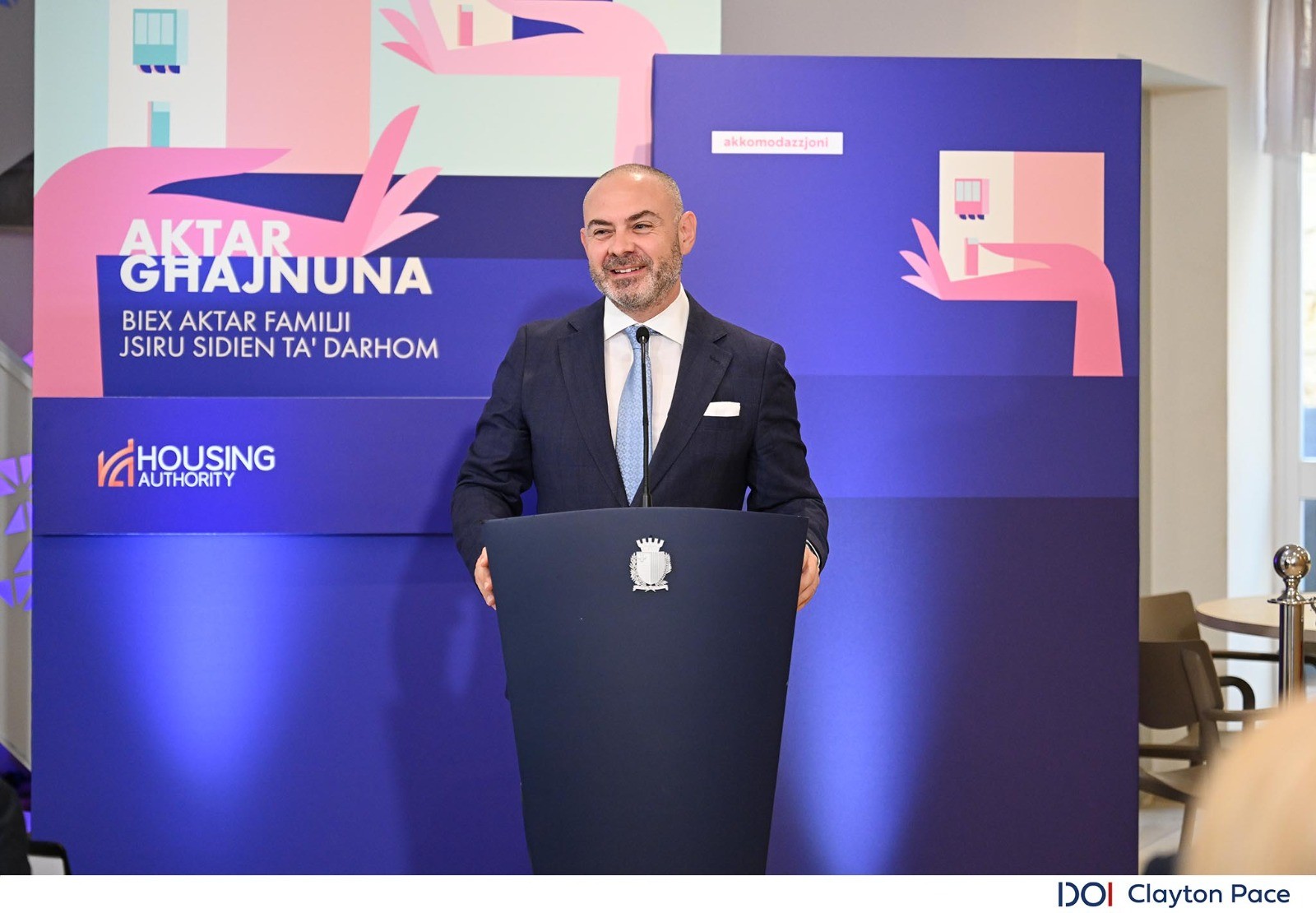
Government announces three changes to First-Time Buyers scheme
The scheme will be extended to non-first-time buyers, but whose second residence will become their primary and only residence

Joseph Portelli’s SPAL unveils VisitMalta as main shirt sponsor
The latest sponsorship means Malta’s national tourism brand will feature on the club’s shirts