


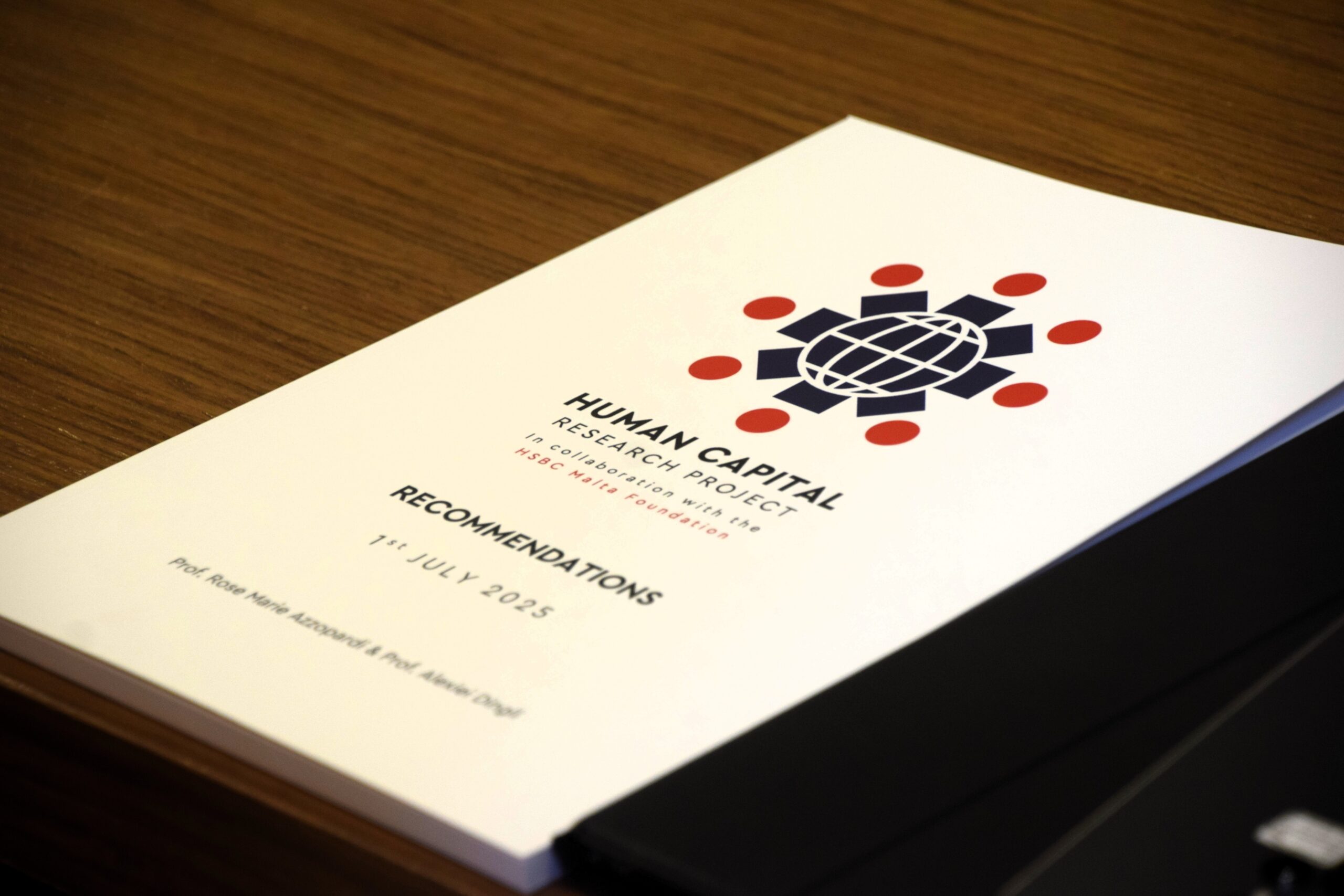
The final report of the Human Capital Research Project finds that while economic growth has been strong, it has been largely driven by workforce expansion rather than productivity gains, making a transition towards a quality-driven economic model essential, The Malta Chamber of Commerce, Enterprise and Industry has said.
The Malta Chamber, in collaboration with the HSBC Malta Foundation, published the final report of the project, concluding a three-year initiative focused on analysing Malta’s workforce, skills landscape, and long-term economic sustainability.
The research, authored by Professor Rose Marie Azzopardi and Professor Alexiei Dingli, brings together extensive local and international analysis, stakeholder engagement, and forward-looking insights, positioning human capital as a central pillar for Malta’s future competitiveness.
Speaking at the launch, the Chair of The Malta Chamber’s Employment Agencies Business Section Mr Justin Anastasi described the report as a turning point in Malta’s economic journey.
“Over the past decade, Malta has experienced strong economic growth driven largely by expansion in numbers. However, the time has now come to shift decisively towards quality,” he said.
“This report clearly shows that we are facing structural challenges, including skills mismatches, skills shortages, and an increasing reliance on foreign labour. At the same time, education outcomes are not fully aligned with labour market needs.”
“If Malta is to remain competitive, we must prioritise productivity, invest in upskilling and reskilling, and strengthen the link between education and industry. Lifelong learning is no longer optional, it is essential.”
Also addressing the launch, Mr Geoffrey Fichte, CEO of HSBC Malta, emphasised the broader national importance of the project.
“Malta’s economy stands out as a real success story in Europe. This has been achieved thanks to the innovation and hard work of its people, supported by clear government policy and a forward-looking strategy,” he said.
“We supported this research project to better understand what is needed for continued success in the economy of the future including technological change, artificial intelligence and global competition.”
“It provides some clear and actionable recommendations to build a more skilled, adaptable, and future-ready workforce.”
Among its key findings, the report identifies persistent skills mismatches, shortages in key sectors, and a continued brain drain of highly educated individuals. It also points to a growing disconnect between education investment and outcomes, as well as the need to better align education systems with labour market demands, the Chamber said.
In response, the report calls for a fundamental shift towards lifelong learning, stronger collaboration between education and industry, and the adoption of more flexible and modern learning approaches, including micro-credentials and competency-based education. It also emphasises the importance of digital skills, adaptability, and continuous upskilling in a rapidly changing global economy.
Both organisations reiterated that addressing these challenges requires coordinated action across government, industry, and education stakeholders, stressing that Malta’s long-term prosperity will depend on its ability to develop, attract, and retain talent.
The Human Capital Research Project represents the culmination of three years of research and dialogue and is intended to serve as a roadmap for future policy and strategic action.

Malta’s electricity supply rises 3.2% in 2025 as demand also increases
The highest monthly demand was recorded in July, at 637 MW, followed by August at 585 MW
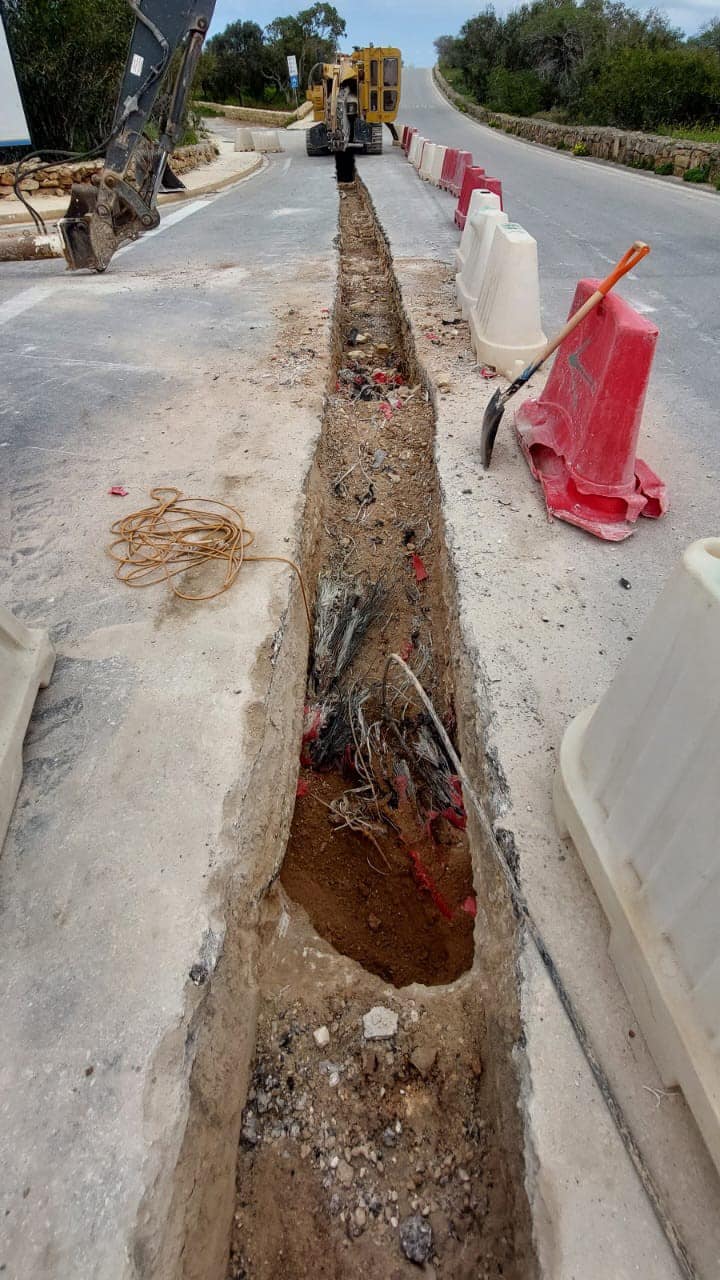
‘Reliable energy is essential health infrastructure’ – association calls for independent review after grid failures
Electricity is not merely a household convenience or business requirement, association says
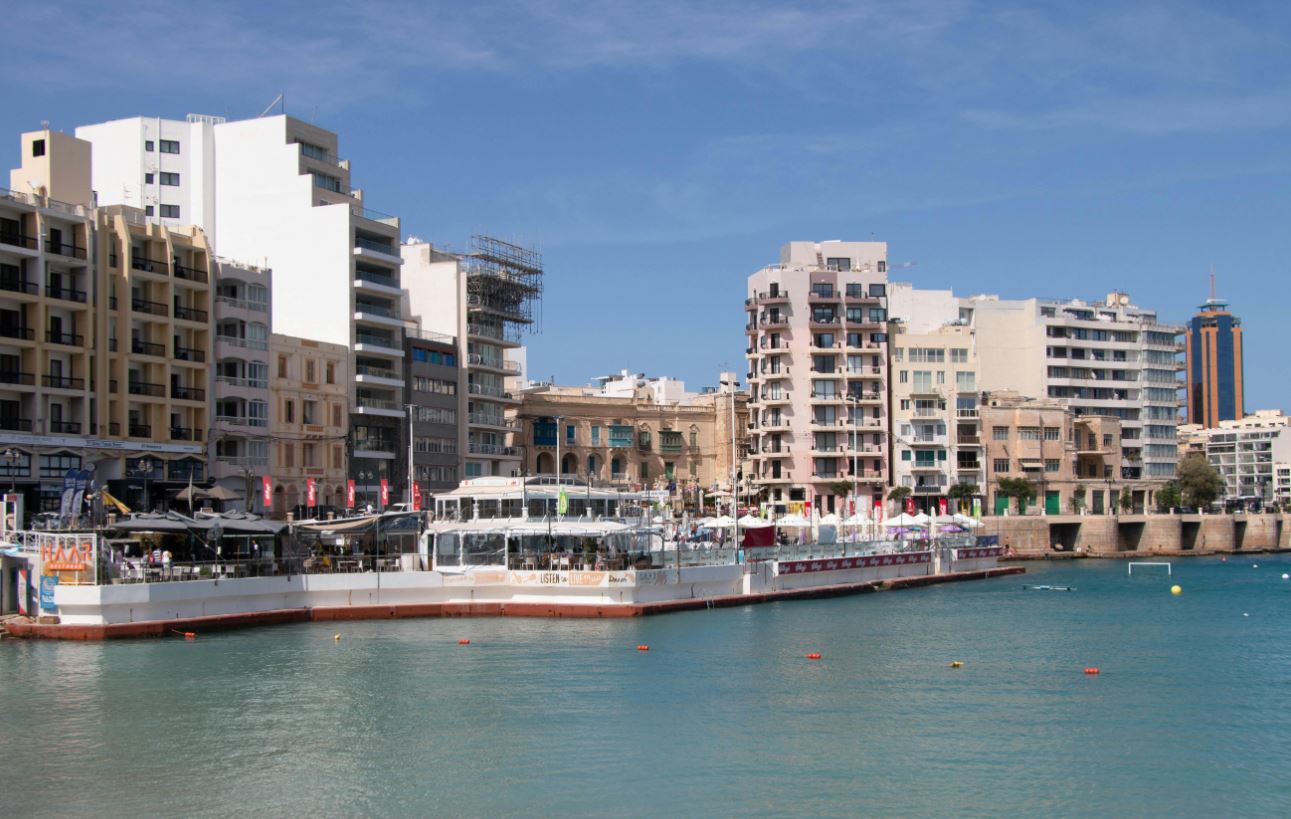
More planning appeals filed in Sliema than anywhere else in Malta
St Julian’s and St Paul’s Bay followed Sliema with 32 third-party appeals each during a six-year period