


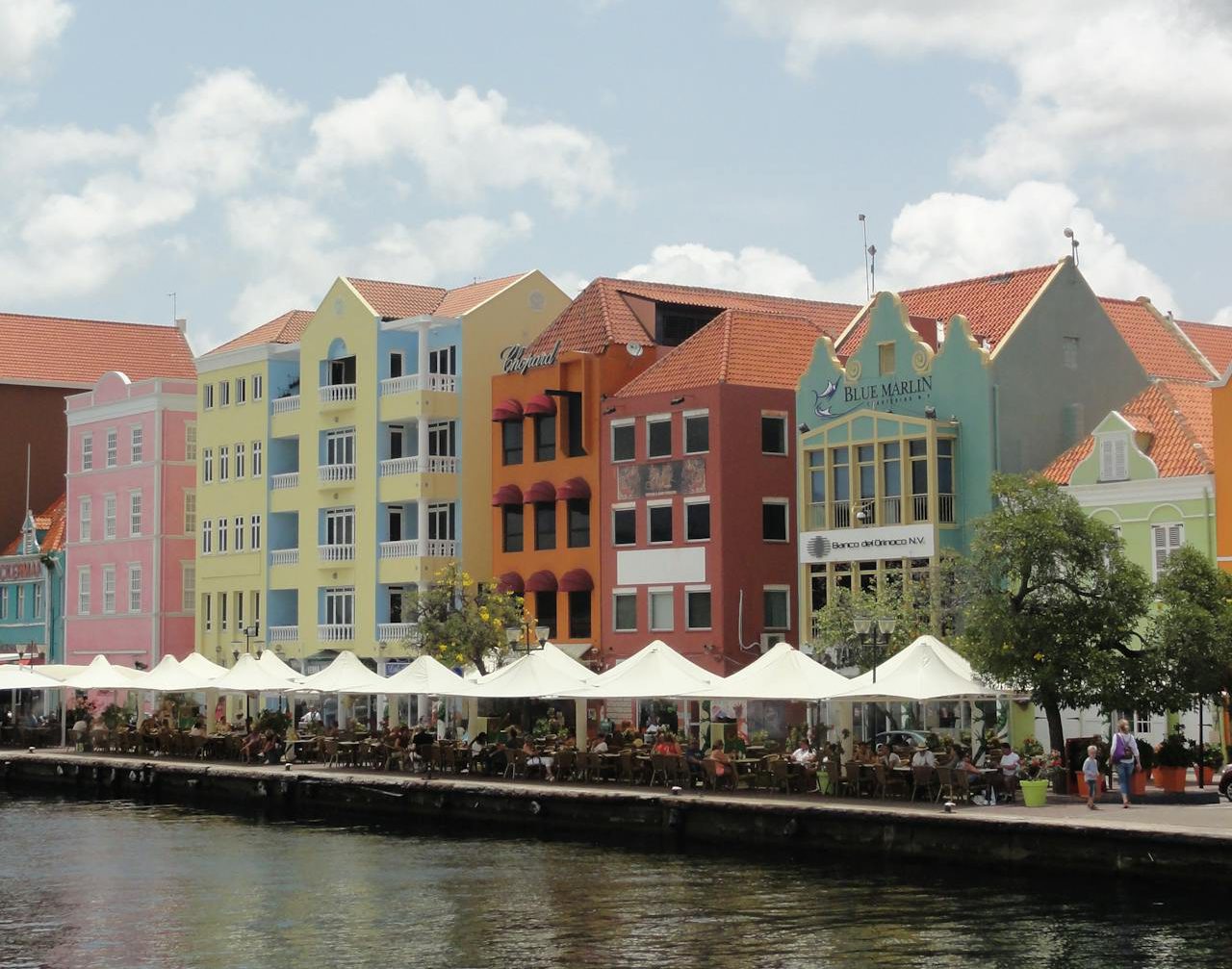
A tax treaty between Malta and Curaçao meant to avoid double taxation and prevent fiscal evasion has come into force, backdated to 1st September 2024.
Curaçao is a small archipelago in the Caribbean with a large iGaming industry. It is a part of the Kingdom of the Netherlands.
The treaty has been a long time coming. Malta had signed its approval back in 2015, but the deal was not entirely well-received in the countersigning parties, forcing the Dutch Government to defend the treaty from critics. It argued that the agreement does not provide any options to transfer profits to third parties without tax, but rather prevents the payment of double taxation on the same income.
The treaty applies to Maltese income tax, and in the case of Curaçao, to income tax, wage tax, profit tax and dividend tax.
In Malta, double taxation is eliminated through a credit allowed against tax due in Malta in respect of foreign tax. In the case of Curacao, a reduction method is employed.
The treaty also includes provisions for the taxation of rights in connection with natural resources.

Tax cuts, AI incentives and infrastructure investment: What businesses want from Budget 2027
From corporate tax reductions and digitalisation grants to infrastructure investment and workforce development
Education system ‘stifles creativity’, Malta Employers’ chief says as association calls for ‘transformation’
Association's Director General says system is geared towards conformity

MFSA flags missing information in pension statements
Some pension statements omitted key details on investments, fees, contributions and account changes