


The Nationalist Party (PN) has unveiled a series of education proposals, including plans for a National STEAM School and a STEAM Innovation Campus aimed at strengthening Malta’s future workforce in areas such as artificial intelligence, robotics, data science, bioengineering and creative design.
According to the PN, the proposed school and campus would include advanced laboratories, maker spaces and collaboration with the University, start-ups and industry. The party said on Wednesday (today), that the initiative is intended to create “a new pipeline of talent” in high-demand sectors linked to emerging technologies and innovation.
The Opposition also said maker spaces and STEAM laboratories should be introduced in every secondary school to ensure students gain practical exposure to technology, design and problem-solving from an early age.
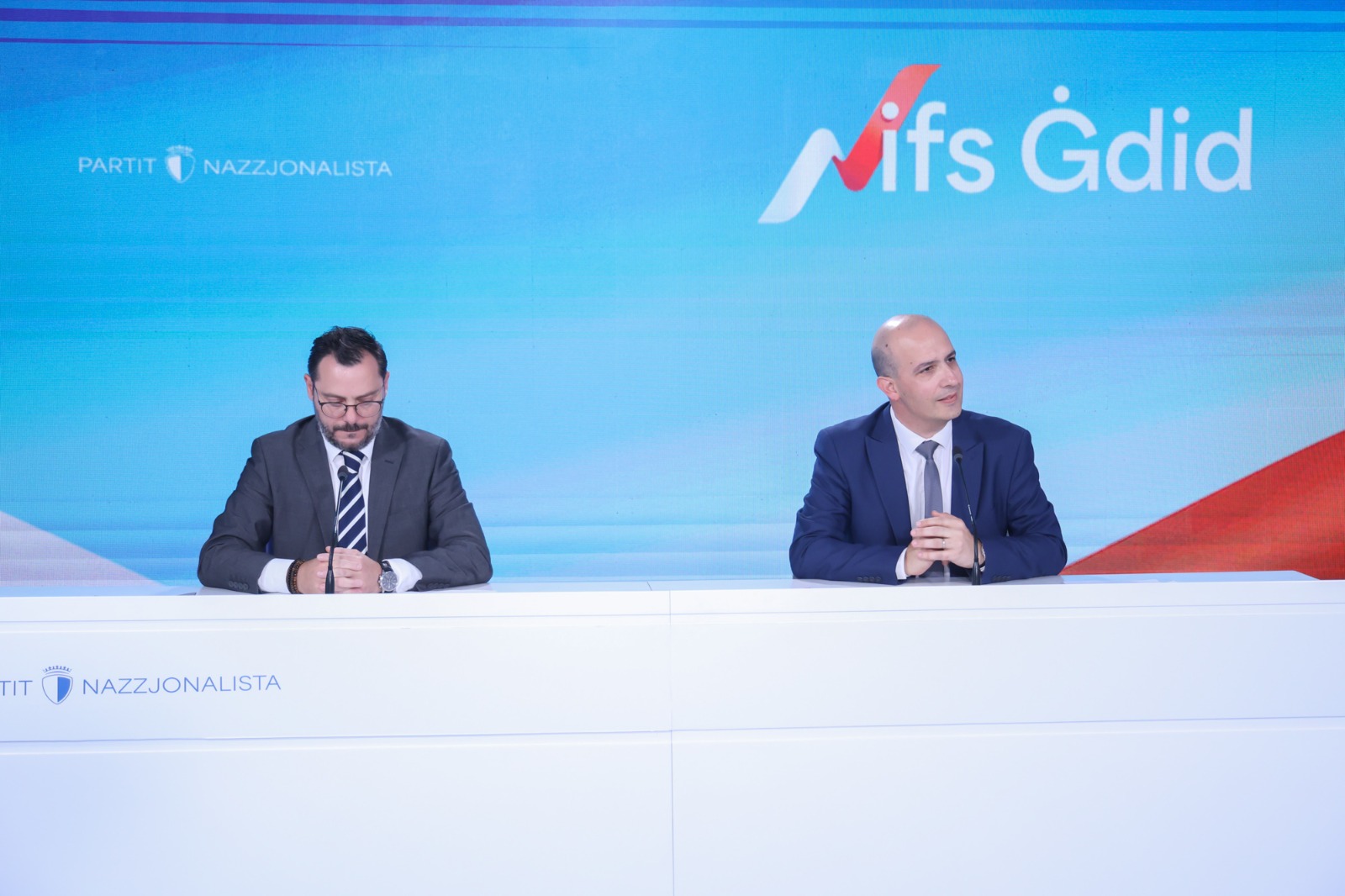
The proposals formed part of a broader education package presented during a PN press conference addressed by PN candidates Justin Schembri and George Vital Zammit. The party described education as “national infrastructure for innovation, social mobility, productivity and an economy built on skills and focused on the future”.
Among the measures announced was a commitment to build a new school every year, alongside a nationwide programme to modernise and maintain existing schools. The PN said future schools would include improved sports facilities, renewable energy systems and modern technologies.
The party also proposed reforms aimed at early years education, including strengthening childcare centres, increasing training for childcare workers and introducing earlier screening for children requiring speech therapy, psychological support or other specialised services.
On curriculum reform, the PN said it wants education to place greater emphasis on digital and emerging skills while continuing to recognise the importance of the Maltese language. It also proposed changes to assessment systems, including reduced reliance on repetitive testing and reforms to School-Based Assessments.
At post-secondary level, the PN pledged increased investment in institutions including MCAST, Institute of Tourism Studies, Junior College and Giovanni Curmi Higher Secondary School, with a focus on upgrading laboratories, workshops and equipment.
The PN also outlined proposals relating to educators, including licensing and warrant systems for teachers, kindergarten educators and learning support educators, as well as wellbeing and psychological support initiatives aimed at reducing burnout.
In addition, the Opposition said a government led by PN Leader Alex Borg would increase student stipends by 25 per cent from next October, while students in sectors facing shortages, such as healthcare and nursing, could receive stipends of around €1,000 per month.
Featured Image:
PN candidates Justin Schembri and George Vital Zammit
Budget 2027: Voters across political divide agree on most and least welcomed measures
New survey findings show sharp political differences in overall satisfaction with Budget 2027

BOV SmartPay: Payment solutions built around the merchant
One year after its launch, we see how BOV SmartPay brought the bank’s payment solutions together under one brand

A ‘growing shortage of qualified professional heavy goods drivers’ – ATTO calls for national strategy
'This is an issue that can no longer be overlooked'