



Customers were in some cases presented with investment and retirement products before enough information had been gathered about their needs and risk profile, an MFSA mystery shopping exercise has found.
The regulator uncovered a series of weaknesses in the sales process, ranging from missing documentation and unclear product comparisons to an overemphasis on potential returns and tax benefits, while some interactions could even have left customers believing they were receiving investment advice.
The exercise involved 17 mystery shopping interactions and covered intermediaries accounting for around 58 per cent of insurance-based investment product premiums reported to the MFSA.
Products discussed before customers' needs were fully understood
One of the main issues identified was that products and quotations were sometimes presented before enough information had been collected about what the customer needed and their risk profile.
The MFSA said that although intermediaries often asked customers relevant questions, there was frequently little or no documentation showing how their answers were assessed and used to determine which products to discuss.
There were also inconsistencies between conversations and the paperwork customers later received. In some cases, products were discussed but documentation was provided for only one. In others, different types of products were presented without a written explanation of why they were appropriate for that customer.
MFSA flags questionable product comparisons
The regulator also found cases where comparisons with competing products were based on incomplete information or were not backed by objective evidence.
For example, customers were sometimes told about charges associated with competing products without being given the full context of when or for how long those charges applied. Some claims about competing products, including their features and potential loss of invested money, were also not sufficiently supported.
The MFSA said comparisons should look at the product as a whole, including its costs, risks, objectives and contractual terms, rather than focusing on individual features that may make one option appear more attractive.
Customers could have thought they were receiving investment advice
Another concern related to the line between giving customers factual information and actually advising them what to invest in.
The intermediaries included in the exercise were not authorised to provide investment advice. However, the MFSA found that in most cases language was used that customers could reasonably interpret as a personal recommendation.
This included describing particular products or investment funds as the "most suitable" option, expressing preferences for certain products or discouraging customers from considering alternatives without objectively explaining why.
In some interactions, customers were also encouraged to change existing financial arrangements, such as reducing contributions to existing products or reallocating investments, without being given sufficient information about the possible costs, risks and long-term consequences.
The MFSA also found that discussions were often heavily focused on tax advantages or Government incentives, while less attention was given to explaining what the product actually was, its purpose and its long-term implications.
In certain cases, products that did not qualify as pension products were discussed alongside references to tax rebates or Government grants, potentially leaving customers confused about whether they were eligible for such benefits.
Customers not always given important documents
Another weakness concerned the information customers received before making a decision.
In a number of interactions, customers did not receive a Key Information Document (KID) or equivalent product documentation at any point during the sales process. Some received only limited supporting information, while others were not provided with quotations, product literature or explanatory documents.
The MFSA also found that product features, risks and contractual conditions were often not explained clearly enough, with some customers presented with technical terminology or complex explanations that were not adapted to their level of knowledge.
Returns given more attention than risks
Potential investment returns were also frequently given more emphasis than the risks involved.
According to the regulator, projected investment growth was sometimes discussed without giving equal prominence to the fact that investment performance can vary and that customers could lose some of their capital.
The MFSA is now calling on insurance companies and intermediaries to improve customer assessments, record keeping, product explanations and comparisons, and to ensure customers receive the necessary documentation before deciding whether to invest.
The regulator said it will continue monitoring the sector, including through further mystery shopping exercises, and may consider regulatory action where shortcomings are identified.

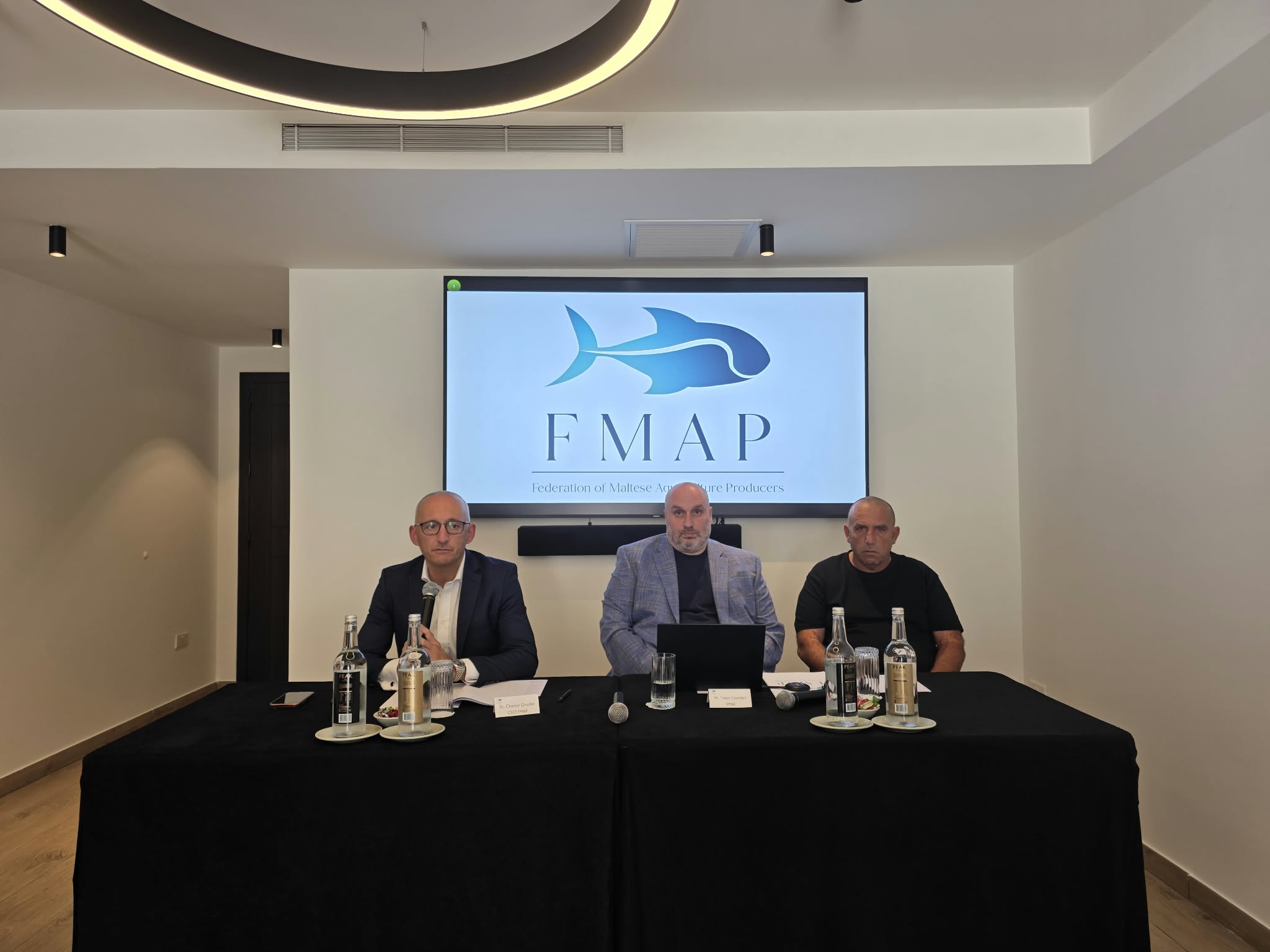
Aquaculture federation CEO hails cleanup campaign a success as 25,500 litres of oily liquid collected
Charlon Gouder said the industry had registered a notable improvement in coastal water conditions this summer

PA orders immediate removal of unauthorised structure outside Piccolo Padre in Sliema
The restaurant is owned by Carlo Stivala and is the first expansion since it was set up in Balluta
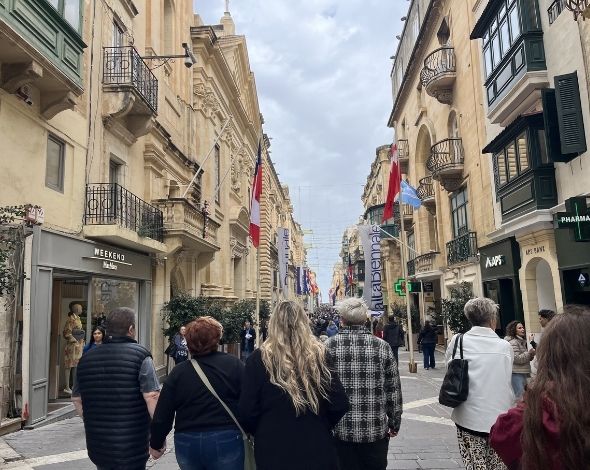
High rents are killing small retail businesses in Valletta, shop owner says
'When you have high rents with low margins, it’s no wonder so many retail shops are leaving Valletta,' she said