


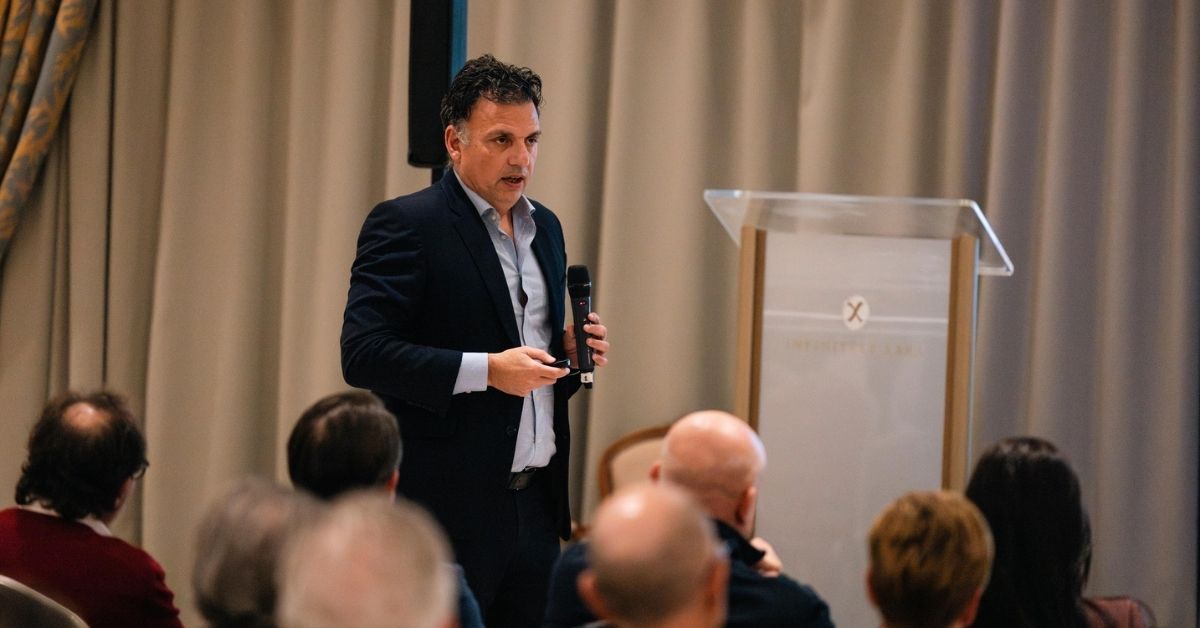
Data collated by Deloitte shows that the average expenditure of tourists in Malta has stagnated over the past decade, when adjusted for inflation.
Deloitte Malta’s Transportation, Hospitality and Services leader David Delicata presented the data at a recent panel discussion on luxury tourism organised by the Malta Business Network.
Latest official figures show that Malta welcomed around 3.8 million visitors in the first 11 months of 2025, surpassing the previous full-year record of 3.56 million set in 2024.
This suggests that total arrivals may well have exceeded the 4 million mark by the end of the year.
However, Mr Delicata pointed out that the steady increase in numbers hasn’t been coupled with an increase in spend per tourist.
In fact, after adjusting for inflation, Deloitte’s numbers show that the average expenditure per tourist in real terms has largely stagnated over the past decade.
He said that this data raises questions about whether the island’s growth model is delivering long-term economic value.
"Malta has reached a critical inflection point. We've successfully attracted record tourist arrivals, but now we must ask ourselves: are we maximising the value of each visitor?” he questioned.
Mr Delicata warned that Malta’s current volume-based model is unsustainable and said it is essential for the country to transition towards a higher-value, experience-driven approach that delivers benefits to both the economy and visitors alike.
Cover photo: Deloitte

German court clears use of breached MGA documents in reporting, Lilith Wittmann says
The MGA has previously rejected the suggestion that its legal measures were intended to silence or intimidate her
Enemalta advances plans for new Malta-Gozo interconnector
This follows a €45 million general election pledge for a Malta-Gozo high-voltage link
MDIA to assess potential for new research and innovation network in Gozo
Research is intended to provide an assessment of how a future research and innovation ecosystem in Gozo could be structured