


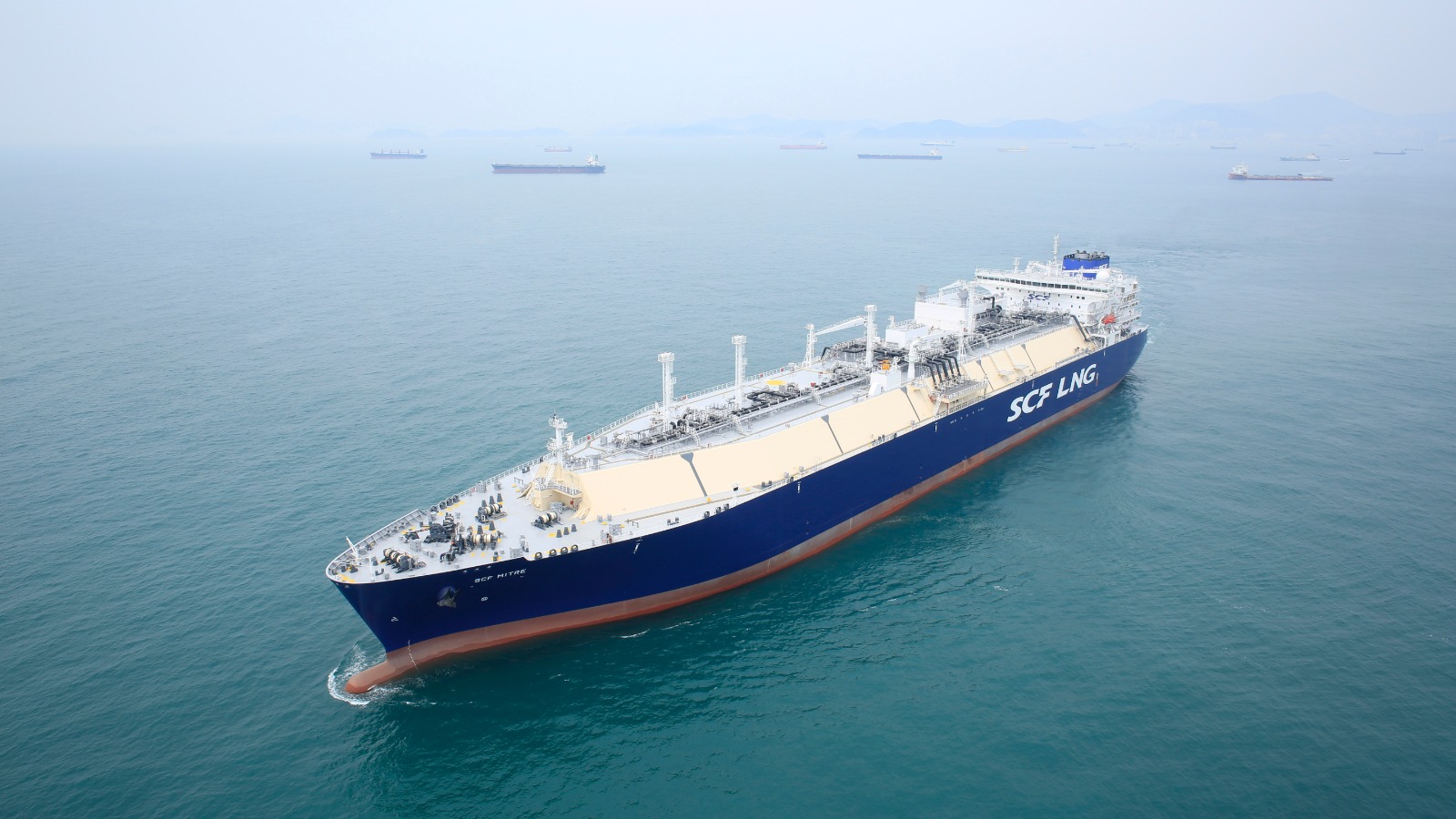
The UK Government has told ports in the country to refuse access to "any Russian flagged, registered, owned, controlled, chartered or operated vessels," as part of the sweeping sanctions aiming to cripple Russia's economy in response to its invasion of Ukraine.
Today I've written to all UK ports asking them not to provide access to any Russian flagged, registered, owned, controlled, chartered or operated vessels.
— Rt Hon Grant Shapps MP (@grantshapps) February 28, 2022
Given Putin's action in #Ukraine I've made clear these vessels are NOT welcome here with prohibiting legislation to follow. pic.twitter.com/5pKzfvcbGi
Announcing the move, Transport Secretary Grant Shapps wrote that "the maritime sector is fundamental to international trade and we must play our part in restricting Russia's economic interests and holding Russian Government to account."
Britain's move to ban the country's ships came after controversy was sparked when local authorities said they would be unable to prevent a tanker, majority owned by state-owned Sovcomflot, from docking at an oil terminal in Scotland.
This represents only one of the sanctions imposed by Western countries against Russia following its invasion of Ukraine – but is notable in the broad scope it covers.
While several other countries have banned Russian flights from their airspace, Britain has so far been the only country to introduce a blanket ban on Russian ships entering its ports.
Amongst the countries to impose an airspace ban was Malta, in a move derided as "easy" by critics, considering Russian airlines do not serve the islands anyway.
Shipping, however, would be expected to have a much more significant impact, considering the island's strategic position at the heart of the Mediterranean, a stone's throw from Russia's Black Sea ports.
However, a blanket ban on Russian-associated ships would likely aggravate Malta and the EU's existing supply chain problems, which have seen consumer goods explode in prices.
Featured Image:
SovComFlot0owned LNG carrier SCF Mitre/ sovcomflot.ru
Related
UAE ambassador highlights opportunities across key sectors during Malta business roundtable
The event brought together leading Maltese business executives, investors, and institutional stakeholders
EU-China reach deal to curb hybrid car imports
'Sudden and rapid rise in imports' of hybrid electric vehicles from China 'having a destabilising effect,' association says
TradeMalta scraps entry fees for 2027 International Business Awards
Entry fees scrapped for the first time to encourage more participation