



During my tenure as treasurer for the Għaqda tal-Malti – Università, I saw what went on during the Malta Book Festival from behind the organisation’s booth.
But this year, I wanted a behind-the-scenes look – not just from the festival floor, but through the eyes of those who power it: Publishers, distributors, and organisers.
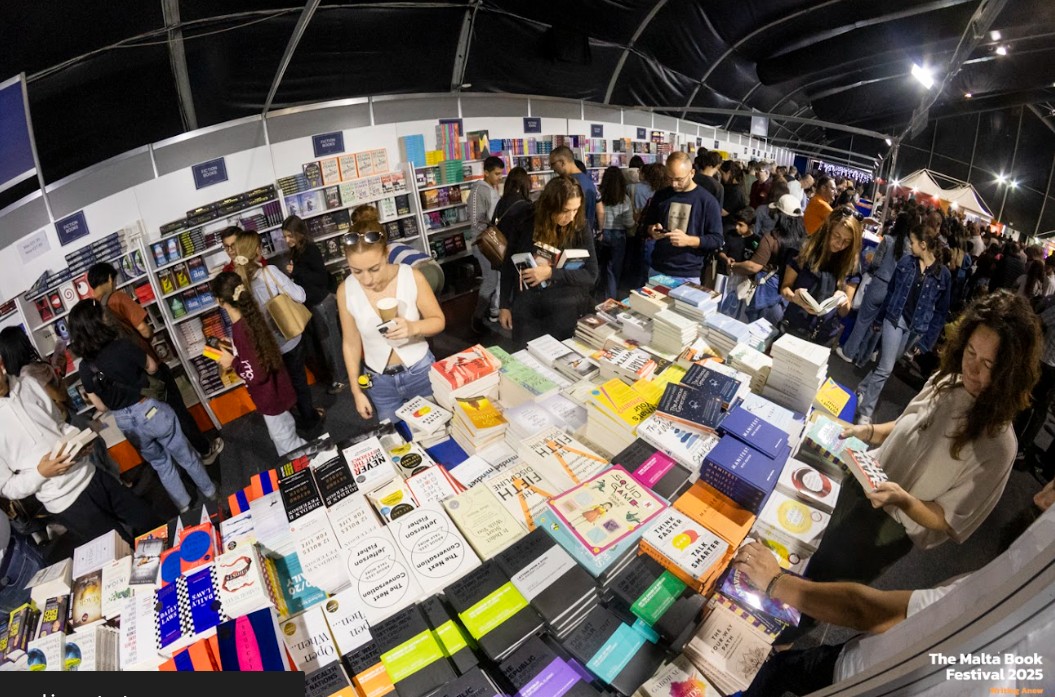
Between 5th and 9th November 2025, the Malta Book Festival once again transformed MFCC Ta’ Qali into a hive of literary activity. Record attendance figures were reported – some outlets placed visitor numbers at around 40,000 – and the much-discussed €20 voucher scheme dominated conversation before, during, and after the event.
BusinessNow.mt reached out to various stakeholders and publishers to see what they think of this year’s edition.
The National Book Council (NBC), which organised the festival, described the initiative as a major success.
Executive Chairperson Mark Camilleri said the €625,000 investment in vouchers had delivered measurable results: “An impressive 15,150 vouchers were redeemed between 5th to ninth November,” he stated. “The high attendance numbers at the festival, often resulting in long queues at publisher and bookseller stalls, is a heartening validation of our efforts at the National Book Council: To bring people closer to the book.”
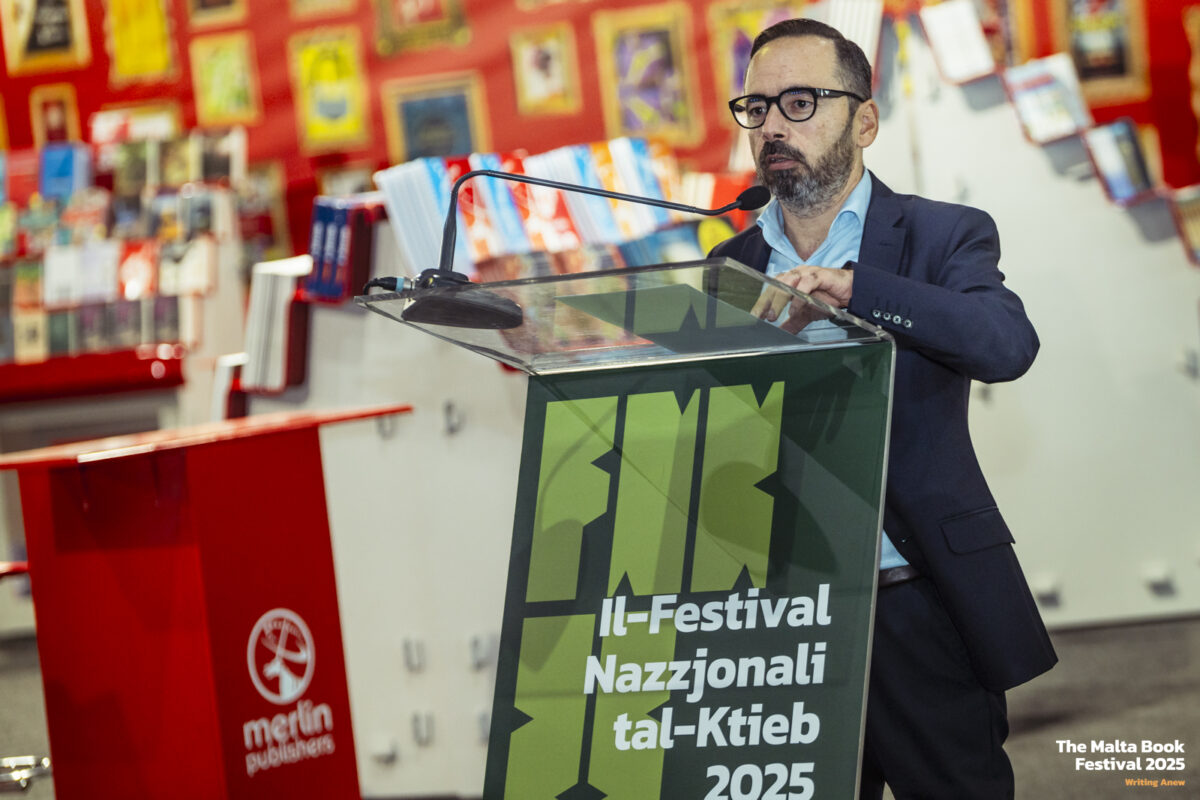
According to Mr Camilleri, the scheme did more than boost short-term sales. “A boost in sales of this magnitude is bound to have a positive impact on local publishers in particular, at least in the coming months,” he said. But the Council’s ambitions go beyond the economic. “If a parent is taking their children to the festival to make use of their voucher, they will also be able to take in the festival and all it offers… reaching out to diverse audiences and instigating the spark that can lead to a more lasting relationship with books and reading.”
A strong year for distributors – but not everyone benefited
While the NBC sees the initiative as a cultural and economic success, opinions among publishers and booksellers vary widely.

Michael Vella de Fremaux, Chief Books Officer at Miller Distributors Malta, said the impact of the vouchers was “noticeable, especially by the very good public attendance throughout the fair.”
He explained that Miller’s stand offered an additional incentive: “Our stand was adding an additional euro for each voucher spent, so in total, each child was eligible to a total of €24 of books from our stand.”
Sales were strong across several categories, he noted: “We had very good sales of all types of children’s books, in particular, the Diary of a Wimpy Kid series and books of Roald Dahl. We also had strong sales in the business and self-help categories, and good sales for locally published books, in particular Sovereign by Malcolm Scerri-Ferrante and the Tisjir mill-Qalb books, following the launch of the book by the President of Malta.”
For Mr Vella de Fremaux, the vouchers achieved their intended goal: “The scope of the vouchers was to make reading more accessible to children and there is absolutely no doubt that this had the desired effect. In a world full of technology, I believe any initiative that encourages children to read books, in whatever language they choose, is opening them up to a world of imagination, curiosity, and independent thought.”
‘The voucher scheme disadvantaged local publishers’
But other publishers offered a more critical take.

Joseph Mizzi, owner of Midsea Books, described the outcome as “a partial success” that inadvertently hurt Maltese publishers.
“The €20 voucher scheme may be regarded as a success due to its ability to attract visitors to the festival,” he said. “From that aspect, the festival attracted visitors who never visited it and who would have otherwise never come, not even this year. However, the implementation of the voucher scheme has had mixed results. Its success is partial because it disadvantaged local publishers, particularly those that do not specialise in children’s books.”
Mr Mizzi argued that the vouchers did little to promote Maltese literature beyond the children’s category. “Unfortunately, these vouchers did not have any relevance to Maltese publications, except for children’s books. Other genres, such as novels, poetry, and reference titles, were purchased by repeat clients who visit the festival annually.”
He also questioned the long-term impact on Malta’s publishing ecosystem. “People were mainly motivated by the opportunity to get something ‘for free,’ rather than a genuine appreciation for books,” he said. “Since the festival includes a number of exhibitors that sell mostly English-language bargain books, the voucher scheme ended up subsidising the import of these cheap books. This had a devastating effect on the local publishing industry, already struggling for survival. I have yet to experience a government supporting and subsidising a foreign industry or sector over its own.”
‘On what basis are you calling it a success?’
Small press publishers, meanwhile, are calling for more data before celebrating the festival’s results.
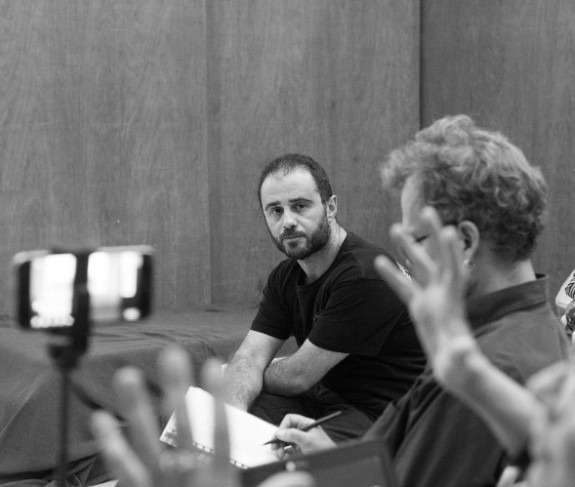
Glen Calleja, from Kotba Calleja, noted that success should not be measured purely in numbers.
“The festival went well,” he said, “but the parameters of success for me are not based solely on how many people attended. We can speak on success in terms of the different books that were available and exhibitors and how these compare to previous years.”
Mr Calleja questioned whether the diversity of books reflected genuine growth in Malta’s literary output. “Were the books that were bought this year typologically different from previous years? Or are we always selling the same stuff? Was the festival dominated by products produced internationally or by a lot of books imported from other countries? Do we have trends of consumer behaviour for each edition of the festival? On what basis are you calling it a success?”
He also suggested that the €20 voucher initiative was politically motivated rather than evidence-based: “As far as I know this is a political move and is not based on any evidence that there was an incentive needed to help the children’s book market, and that it favours, in an unjust way, those exhibitors that supplement the children’s book market.”
Mr Calleja referred to recommendations from Fondazzjoni HELA, which emphasise fairness and transparency in Malta’s publishing policies. The foundation’s document stresses that the Book festival should “provide an equal opportunity to each stakeholder and exhibitor without discriminating amongst literary genres” and warns against practices that “put local products at a disadvantage.”
In Mr Calleja’s view, the lack of queues at his own stand was telling: “During the festival, Kotba Calleja did not have any queues, neither small nor big. This clearly shows that the vouchers did not work for everyone the same, right?”
“Next year vouchers will be once again offered to students between five and 16 years of age,” Mr Camilleri later clarified when asked about criticism from exhibitors. “The initiative is intended to encourage reading and more interest in books and attracting new visitors to the festival… we gather feedback from all parties – stakeholders and public alike – to ensure that the experience of any visitor at the Malta Book festival is refined and improved.”
All in all
The 2025 Malta Book Festival may have drawn record crowds, but it also laid bare deeper tensions within Malta’s literary ecosystem – between commercial accessibility and cultural equity, between political initiative and artistic sustainability.
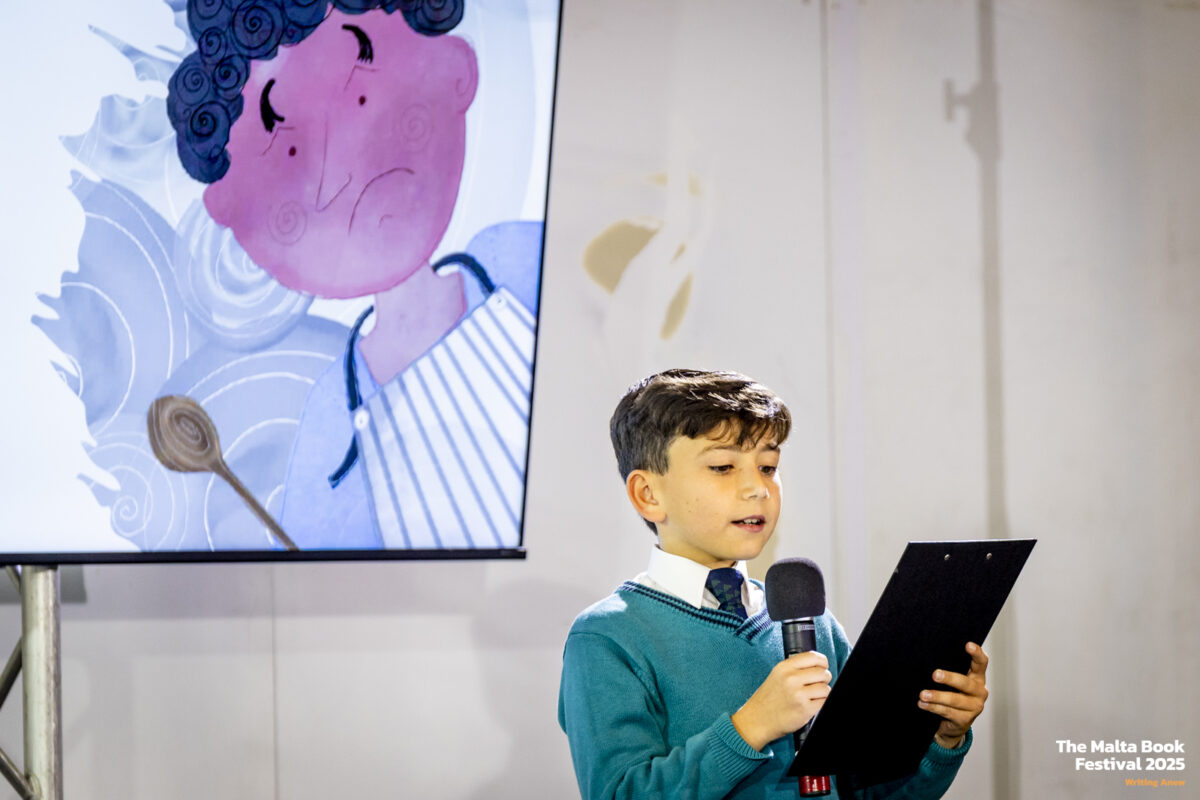
For some, the sight of thousands of children clutching books was proof enough that the scheme succeeded. For others, the picture was more complicated: A festival that lifted attendance but tilted the scales away from the very sector it was meant to support.
Whether next year’s festival can balance those competing realities may determine if the voucher scheme becomes a cornerstone of Malta’s cultural policy – or a cautionary tale about how not all “successes” are created equal.

Malta Maritime Forum warns EU ‘green’ law driving business to North Africa
Malta Maritime Forum warns southern EU ports risk becoming feeder hubs playing a secondary role to extra-EU ports

Hotel bedspace increases by 27% since 2022
The sector is steadily expanding its accommodation supply

General fear of travelling doesn’t justify free holiday cancellation, MCCAA warns
Malta Competition and Consumer Affairs Authority clarifies rights for travellers amidst concern over the Middle East war