


The European Commission’s new pledge to double the number of young farmers to 24 per cent by 2040, backed by a proposed €300,000 start-up package, signals a bold attempt to revive a sector facing demographic collapse. But in Malta, where just seven per cent of farms are managed by young farmers, one agriculture expert warns that European ambition will fall flat unless the island confronts its own entrenched problems.
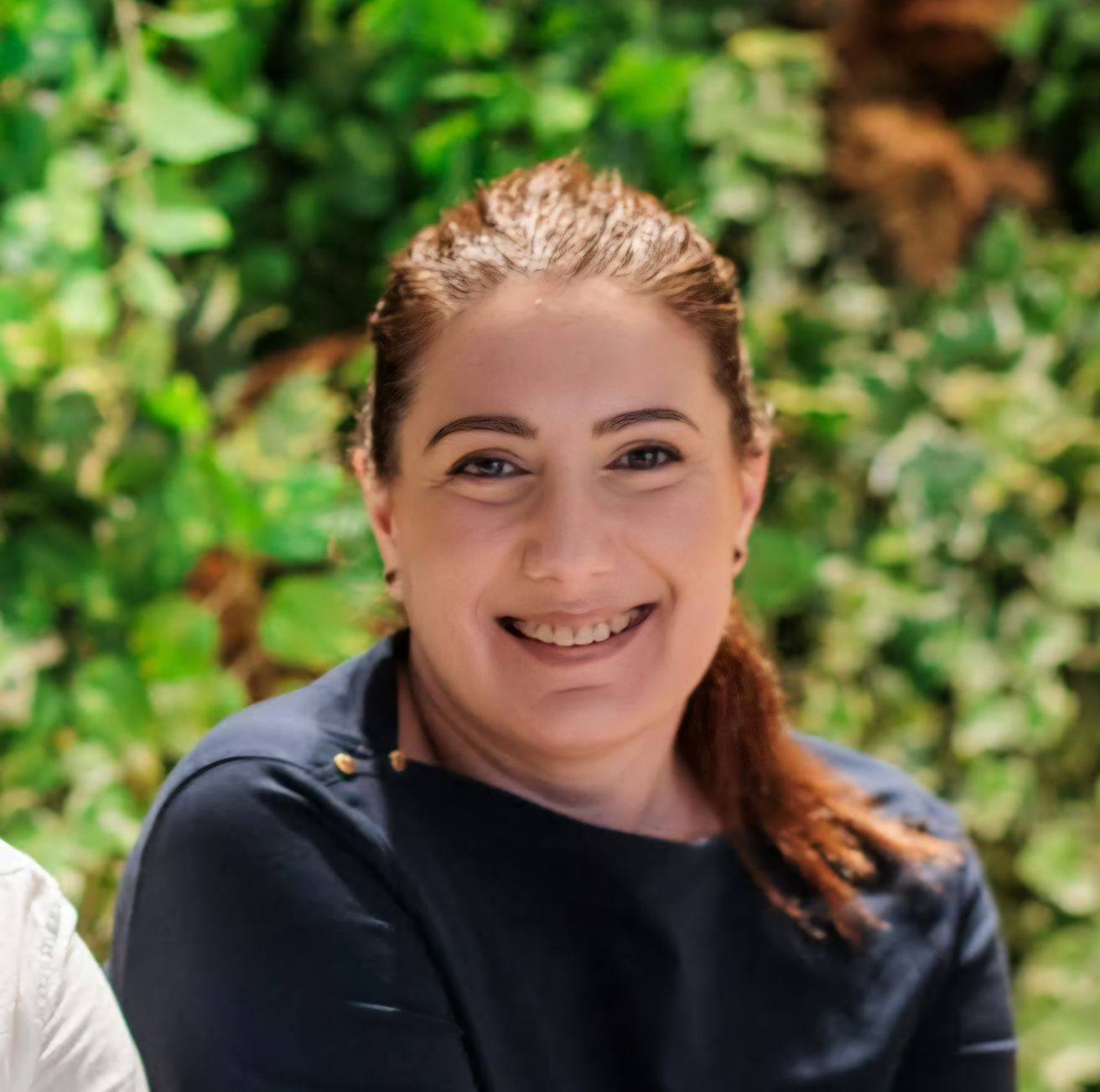
“My first reaction is simple,” says Jeanette Borg, agronomist and founder of Malta Youth in Agriculture Foundation (MaYa). “We need to start solving local problems before attempting to install new young farmers.”
For her, the islands’ biggest obstacles remain depressingly unchanged. “The Planning Authority and the Lands Department continue to be major stumbling blocks,” she says.
These structural issues make the sector inaccessible – and EU funding won’t fix this unless the foundation is set.
A proposal that doesn’t meet Malta where it is
The Commission’s proposal aims at long-term generational renewal across the European bloc, addressing a trend where farmers are ageing faster than the workforce. But BMs org argues that in Malta, the barriers are not primarily about finance – they are about function.
“You can offer a young person €300,000, but if they can’t access land, can’t get a permit, can’t regularise a simple structure, or can’t access long-term leases, then the whole thing collapses before it even starts.”
Her concerns echo the findings of a peer-reviewed study published in Xjenza with Prof Everaldo Attard and Prof Liberato Camilleri, which outlines the multilayered challenges faced by Maltese farmers – many of which remain unresolved today. Among its observations:
- Fragmented land holdings make mechanisation inefficient and drive up costs.
- Short-term leases discourage investment in modern systems.
- Poor water availability and high input costs reduce competitiveness.
- Cumbersome administrative processes stall even basic farm improvements.
- Low social prestige pushes young people away from agricultural careers.
- Climate stress, especially extreme heat and dry spells, adds volatility to production.
“The challenges have been widely explored,” Ms Borg notes. “We know what the problems are. What’s missing is the will to address them in a systematic way.”
A sector already on the brink
Her critique complements the previous warnings raised by Malcolm Borg of Għaqda Bdiewa Attivi: farming in Malta is reaching a point of critical fragility.
His concerns centred on two realities – dwindling generational renewal and the near-impossibility for newcomers to enter the sector. Land access remains the decisive issue. Buying agricultural land is prohibitively expensive. Renting State land remains blocked by bureaucracy or mismanagement. And low earnings make long-term commitment unviable.
Jeanette Borg agrees. Malta, she stresses, is trying to recruit new farmers into a system that is not functioning for the ones already there.
Before asking young people to join, we need to stabilise the ones currently producing our food. If the fundamental obstacles remain, young farmers will enter – and exit – just as fast.
So what can Malta do?
Both experts converge on a simple truth: without stable land access and coherent land governance, generational renewal will continue to stall.
Several necessary steps have been highlighted in the paper:
1. Fix land governance – urgently
Transparent long-term leasing, enforcement on misuse of agricultural land, and streamlined procedures for farm improvements are the backbone of any renewal strategy.
2. Reduce administrative friction
“Farmers spend far too much time fighting paperwork instead of producing food,” she says. A unified agricultural permitting and land management system would help.
3. Support farmers before replacing them
Rather than pushing for new entrants, Ms Borg argues for safeguarding existing farmers through income stability, infrastructure, and support services.
4. Align incentives with reality
Schemes must reflect Malta’s conditions: small, fragmented plots, water scarcity, and the island’s limited capacity for economies of scale.
5. Rebuild the cultural value of local food
Echoing Malcolm Borg’s earlier point, Malta’s food identity remains fragile. Without a strong internal market that values local produce, young people will see little future in farming.
The EU’s proposal is well-intentioned – but Malta operates in a different agricultural universe. Without structural reform, cultural reconnection, and a complete overhaul of land governance, the islands’ generational renewal problem will deepen, no matter how large the funding envelope.
“I’m not excluding other issues,” Ms Borg says. “But we cannot talk about installing new young farmers when the foundation is this unstable. Fix the local problems – then everything else can follow.”
As Europe pushes forward with its renewed focus on food security and agricultural resilience, Malta faces its own, more immediate test: whether it can repair the system young farmers are expected to inherit.
Wolt Market unveils refreshed identity in Malta
Expanded partnerships with Maltese producers, upgraded fresh food categories, all in vibrant green – Wolt Market marks a new milestone
Irrestawra Darek grants for Reġjun Nofsinhar oversubscribed within days
Demand for the scheme surged immediately upon opening
Clyde Caruana pledges energy subsidies to remain amid Iran war oil price volatility
Finance Minister says it is too early to assess the additional cost arising from developments in the Middle East