



Often viewed through a technical lens, the role of the Money Laundering Reporting Officer (MLRO) is central to protecting the integrity of the financial system, and one that the Malta Financial Services Authority (MFSA) is monitoring more closely than ever.
Speaking to BusinessNow.mt, Matthew Scicluna and Eric Micallef from the MFSA’s Financial Crime Compliance Function shed light on why the MLRO Guidance issued during 2024 is more than just another regulatory document, but rather reflects the authority’s broader role as a gatekeeper against financial crime.
MFSA as a gatekeeper
Mr Scicluna begins by stressing that the MLRO Guidance is part of a much wider supervisory effort.
“The MLRO Guidance captures all the efforts of the MFSA in terms of monitoring MLRO effectiveness, as a prudential supervisor,” he explains.
While the MFSA is best known for licensing and regulating financial services providers, from banks and insurance companies to trustees and company service providers, its role goes beyond issuing licences.
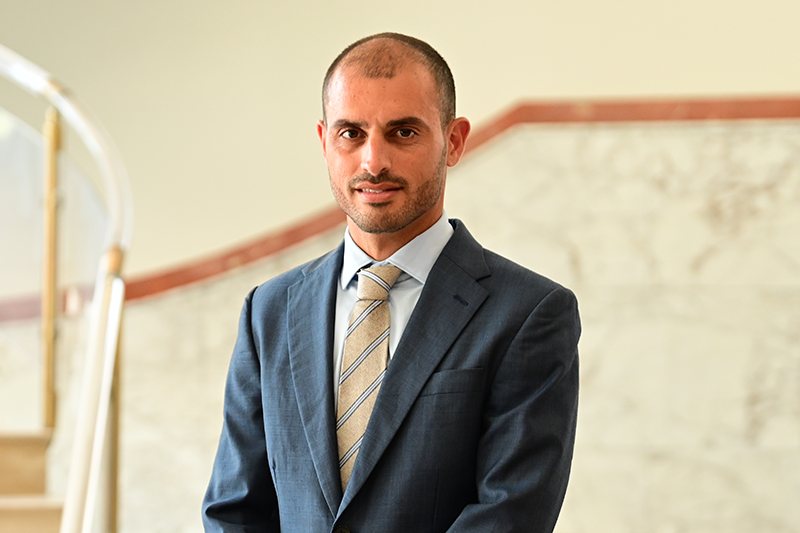
“We are acting as gatekeepers,” Mr Scicluna says. “The MFSA regulates and authorises financial services firms, but also checks key individual’s competences, and this includes the competence of authorised person’s MLROs.”
This focus on individual’s competence applies not only at the point of authorisation, but throughout the supervisory lifecycle of an authorised firm. The MFSA evaluates whether incumbent MLROs remain fit for purpose in entities that are already operating, ensuring that financial crime risks are properly managed over time.
Prudential supervision and financial stability
Mr Micallef places the MLRO function within the broader context of prudential supervision, explaining why this role exists in the first place.
“Prudential supervision is about making sure that persons authorised by the MFSA are acting in a sensible manner,” he says.
He points to the 2008 financial crisis and other major instances relating to AML/CFT shortcomings as a turning point.
“A lot of change came about because of these crises,” Mr Micallef notes, explaining why today’s regulatory framework places strong emphasis on governance, internal controls and key function holders like the MLRO.
The MFSA does not only license institutions, but also approves individuals occupying these critical roles.
“In the case of an MLRO, an interested party needs to apply, undergo background checks, and pass through a competence assessment,” Mr Micallef explains. “It’s not just about having a good reputation, it’s also about being capable of doing the job.”
Once authorised, the MLRO becomes a key interface between the firm and the regulator.
“As the years go by, the approved individual will act as the main point of contact with the regulator,” Mr Micallef says.
This reflects the MLRO’s position at the centre of a firm’s financial crime defence framework. Internally, the MLRO is the person to whom staff must escalate their suspicions.
“If a staff member sees something suspicious, they should report it immediately to the MLRO,” Mr Micallef explains. “The MLRO assess this suspicion, and if deemed that there are ample grounds for suspicion of Money Laundering or Financing of Terrorism (ML/FT), they report to the FIAU, who may then share this information with the police. Each step is extremely important.”
Importantly, MFSA oversight does not stop once approval is granted.
“The MFSA will always retain the power to remove an MLRO’s approved status,” Mr Micallef clarifies, noting that this applies even in large institutions such as banks.
Working with the FIAU
Mr Scicluna also highlights the MFSA’s close collaboration with the Financial Intelligence Analysis Unit (FIAU).
“We assist the FIAU with certain inspections,” he says. “Sometimes we act on behalf of the FIAU, and other times within the MFSA’s own mandate, but our teams remain closely aligned.”
At the same time, the MFSA is increasingly carrying out financial crime-focused engagements under its own remit.
“We are undertaking additional supervisory engagements, distinct from those conducted on behalf of the FIAU, to strengthen our focus on financial crime,” Mr Scicluna states.
Risk-based and proportionate
A recurring theme throughout the discussion was proportionality.
“The MFSA uses a risk-based approach,” Mr Micallef says. “Resources are finite, so we need to allocate them according to those areas that pose the greatest risks.”
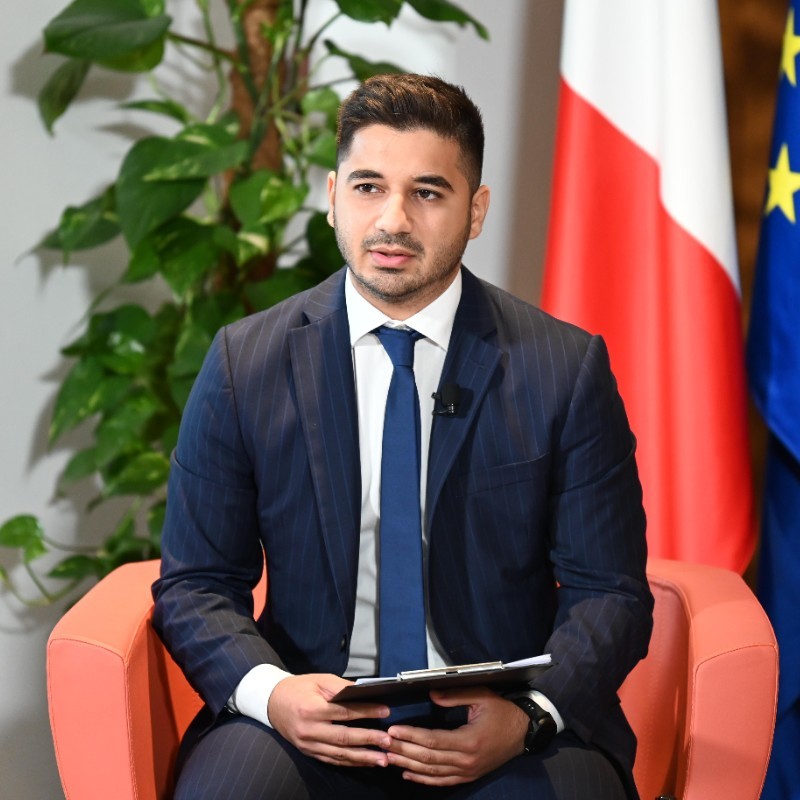
This philosophy is embedded in the MLRO Guidance itself.
“The guide, together with the legislation, is a reference point for individuals interested in becoming MLROs,” Mr Micallef explains. “It outlines what characteristics should be taken into consideration, and it also offers guidance to those who are already approved.”
The document includes self-assessment questions, examples of good and bad practices, and supervisory expectations including those related to reporting to Boards of Directors. Crucially, effectiveness depends on context.
“What is effective always depends on the role and the entity,” Mr Micallef says. “The MLRO of a major credit institution faces very different risks from an MLRO in an insurance undertaking.”
Training, too, must follow a purposeful approach.
“Training from the regulators on legislation may be more relevant than generic training,” Mr Micallef notes. “Likewise, an MLRO in banking requires different training from one working in insurance.”
Ultimately, the MFSA’s message is that the fulfilment of the MLRO’s obligations is not a box-ticking exercise.
As Mr Scicluna put it, the Authority’s involvement in MLRO approvals and supervision reflects a broader objective:
“We are aiding the fulfilment of the MFSA’s mandate as a prudential supervisor while considering elements of AML/CFT according to guiding principles and standards established at both national, European, and international levels.”
In an environment of heightened scrutiny, both locally and at European level, the MLRO has become a critical pillar of trust in Malta’s financial system.


H6 introduces an AI finance layer for Microsoft Business Central
H6 removes the operational burden of manual checks, coding, and exception handling
Malta moves to shape rules for prediction markets
Economy Minister says prediction markets can provide significant innovation opportunities

Malta Enterprise-supported startup Smart Materials launches Huggah
A milestone for Malta’s startup ecosystem