


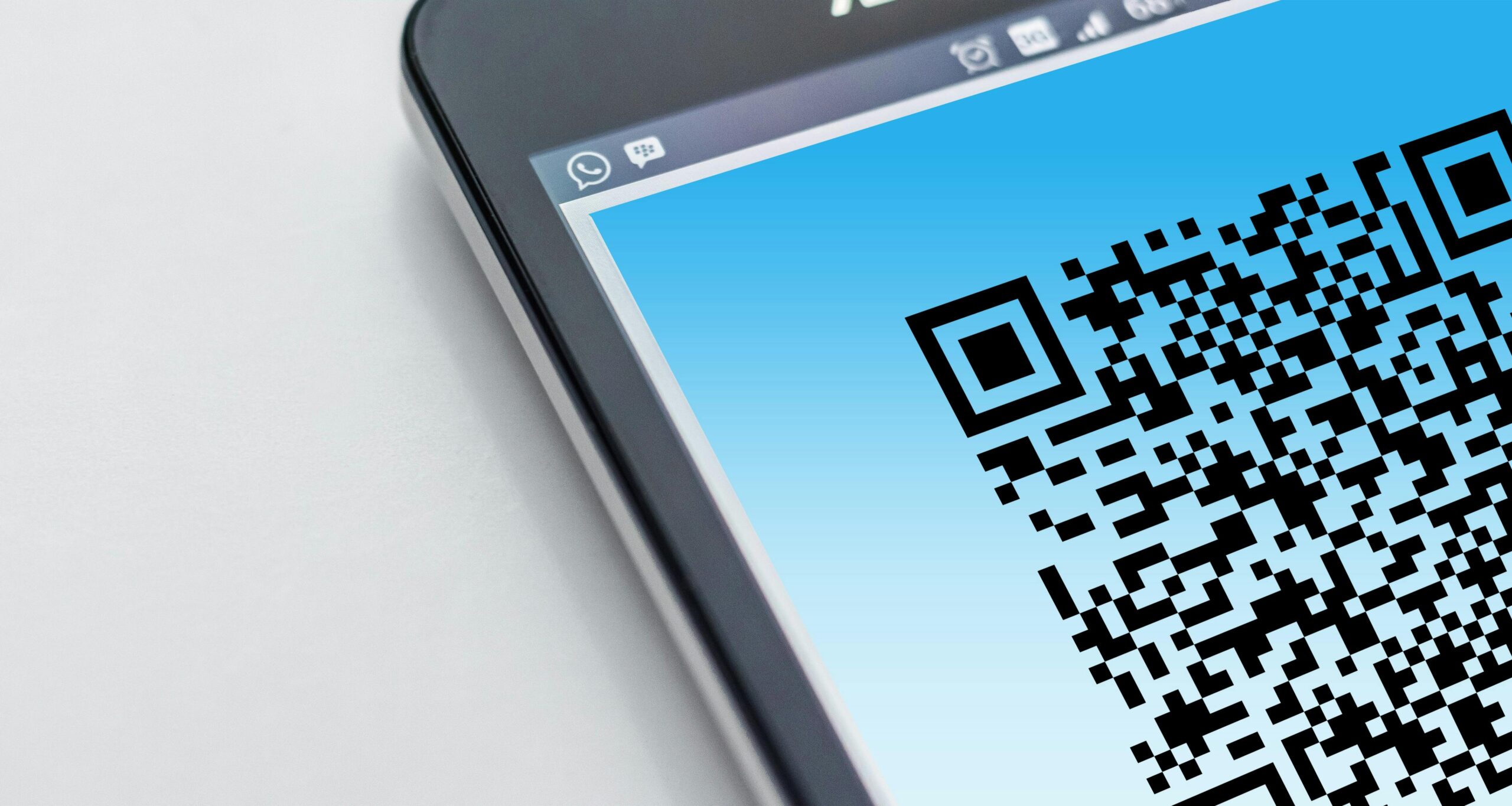
In a digital economy where brand equity and data are among a company’s most valuable assets, the threats facing businesses are evolving fast. From intellectual property fraud to QR code phishing scams, organisations are increasingly exposed at the exact moment they believe they are protecting themselves.
Insights from Grant Thornton, GCS Malta, and MeDirect Bank Malta show how cybercriminals are exploiting trust, timing, and technology to target both businesses and consumers.
Your trademark application could make you a target
According to Grant Thornton, intellectual property owners are facing a growing wave of sophisticated scams the moment they file for trademark protection.
Fraudsters are increasingly impersonating reputable authorities such as the European Union Intellectual Property Office. These are not crude phishing emails. They include:
-Convincing replicas of official logos and letterheads
-Accurate details about specific trademark applications
-Professional-looking certificates featuring QR codes
-Personalised emails appearing to come from senior officials
The timing is deliberate. Criminals strike during the vulnerable period between trademark application and registration, when applicants are expecting official communication and are more likely to act quickly.
This is not a marginal issue. With average fraudulent payment requests of around €1,500 and thousands of victims annually, IP-related scams are estimated to generate approximately €26 million in illicit profits each year. The proceeds fund international banking networks, professional web development, digital impersonation tactics, and increasingly, AI-powered multilingual communication.
The red flags businesses cannot afford to ignore
For Maltese companies investing in brand protection, due diligence must extend beyond filing paperwork.
Warning signs include:
-Urgent payment deadlines, often within 14 days
-Bank accounts located in countries unrelated to the IP authority
-Email domains that slightly differ from official ones
-Unexpected additional fees not mentioned during the application process
-Offers of “premium protection” services that seem unnecessary
Grant Thornton recommends verifying company names against official lists of known fraudulent operators, confirming that email domains exactly match those of the IP office, validating bank details, establishing internal approval protocols for IP payments, and reporting suspicious activity to authorities.
Enforcement bodies, including Europol, the EUIPO, and the Anti-Scam Network, are coordinating efforts across borders to track emerging fraud techniques and disrupt criminal networks. But awareness at business level remains the first line of defence.
QR codes: convinience vs cyber risk
While IP fraud targets businesses during trademark registration, QR code scams increasingly affect both organisations and consumers.
The audit team at GCS Malta notes that QR codes have transformed industries:
-Postal services use them for parcel tracking
-Sales and marketing teams direct customers instantly to product pages
-Educational institutions enhance student engagement
-Manufacturers track supplies and components
-Product packaging links directly to nutritional and product information
-During the pandemic, QR codes even supported contact tracing efforts.
Yet the same simplicity that makes QR codes efficient also makes them dangerous. Attackers can embed malicious URLs within QR codes, redirecting users to phishing sites designed to harvest sensitive data or install malware.
GCS Malta advises caution:
-Inspect codes for suspicious alterations or unofficial branding
-Avoid third-party scanning apps where possible; use your device’s native camera
-Carefully review the URL after scanning for spelling errors or unfamiliar domains
The rise of “Quishing”
MeDirect highlights a growing cyber threat known as “Quishing”, a combination of QR and phishing.
Because QR codes are not readable to the human eye, users cannot immediately see where they lead. Criminals exploit this blind trust by placing fake QR codes over legitimate ones in public spaces or sending them via unsolicited messages.
Once scanned, victims may be directed to websites that appear authentic but are designed to steal login credentials or banking details. In some cases, malware is silently downloaded onto the device.
These attacks often rely on urgency or familiarity. A QR code promising a discount, free coffee, or quick parking payment feels routine. Few people pause to question its legitimacy.
The consequences can include compromised accounts, unauthorised transactions, and identity theft.
MeDirect advises:
-Avoid scanning QR codes from random public locations or unsolicited communications
-Verify that the code is part of official signage and not a sticker placed on top
-Check that the destination URL uses a secure connection and a recognised domain
-Keep device security software up to date
-Businesses may also consider tools that preview QR destinations before opening them.
Cyber risk no longer sits solely within the IT department. It intersects with brand protection, finance, marketing, and operations. Trademark registration should not expose companies to fraud. Marketing innovation should not create new attack surfaces. Convenience must not override verification.
As digital transformation accelerates, verification is becoming one of the most valuable risk management tools a business can deploy. Whether protecting intellectual property or scanning a QR code, the principle is the same: pause, check, confirm.


Residential property sales jump by 16.8% in February
Over €352 million in property changed hands during the month

Malta airport launches summer schedule, including New York route
Delta will operate three weekly flights between Malta and New York between June and October

The Remarkable Collective welcomes collaboration with NOUV, completing end-to-end business services portfolio
The addition directly addresses the sophisticated needs of today’s businesses