



Malta is formalising youth entrepreneurship with the introduction of a new legal framework allowing 16- to 18-year-olds to establish and run their own companies.
Announced by Prime Minister Robert Abela last month (March), the scheme titled Intrapriża16, removes longstanding legal barriers that previously prevented minors from continuing startup activity beyond educational programmes.
As of March 2026, these teenagers can establish "Youth Enterprises" with a mentor, requiring parent/guardian consent and €100–€20,000 in capital.
Speaking to BusinessNow.mt, Anthony David Gatt, Strategic Communications Advisor within the Office of the Prime Minister, described the reform as a structural shift aimed at unlocking entrepreneurial potential at an earlier stage.
“The new law is an important milestone in strengthening Malta’s entrepreneurial ecosystem. It presents a unique opportunity to enable 16-year-olds to move from concept to company without unnecessary delay,” he says.
The framework directly addresses a gap identified by student entrepreneurs themselves. During last year’s JA Marketplace, participants highlighted the difficulty of continuing their ventures after completing the JA programme due to legal restrictions tied to age.
“This reform directly responds to feedback received by the Prime Minister, where representatives from promising student ventures explained how they faced a gap between programme completion and legal eligibility to continue their startup,” Mr Gatt notes.
That feedback triggered a coordinated policy effort involving multiple institutions, including the Malta Business Registry, Aġenzija Żgħażagħ, JA Malta Foundation, Malta Enterprise, the Tax Department and the Commerce Department.
Together, these entities shaped a framework permits young people to set up companies, and integrates support structures around them.
“Via this law we are not only removing a structural barrier but also laying the foundation for a stronger, more continuous pipeline of young founders,” Mr Gatt says.
The emphasis now shifts to implementation. Authorities are expected to focus on safeguards, mentoring and access to resources to ensure that early-stage founders are supported as they transition into formal business activity.
“Through coordinated efforts with stakeholders such as the Malta Business Registry, Aġenzija Żgħażagħ and JA Malta Foundation, the focus is on ensuring that these young entrepreneurs are supported through appropriate safeguards, mentoring and access to resources,” he adds.
Early indications suggest strong interest among students currently participating in JA programmes, although officials caution that it remains too early to measure the long-term economic impact of the initiative.
“While it may still be premature to assess outcomes, Intrapriża16, combined with Malta’s improved support structures and renewed visibility of its startup community, creates the conditions for more local youths to launch stronger startups from Malta,” Mr Gatt says.
The move positions Malta among the first jurisdictions seeking to formalise youth entrepreneurship earlier, reflecting a wider recognition that startup ecosystems increasingly begin in classrooms rather than boardrooms.
Whether Intrapriża16 translates into sustained business creation will depend on how effectively these early-stage ventures are supported beyond registration.
For now, the reform marks a clear attempt to close the gap between education and enterprise, and to bring the country’s youngest founders into the formal economy sooner. After all, if you can vote, why shouldn’t you be able to do business?
Image: Anthony David Gatt


Yael Foundation Names Madrid’s Ibn Gabirol a Model of Academic Excellence
Yael Foundation gave its Academic Excellence Award to Madrid's Ibn Gabirol school
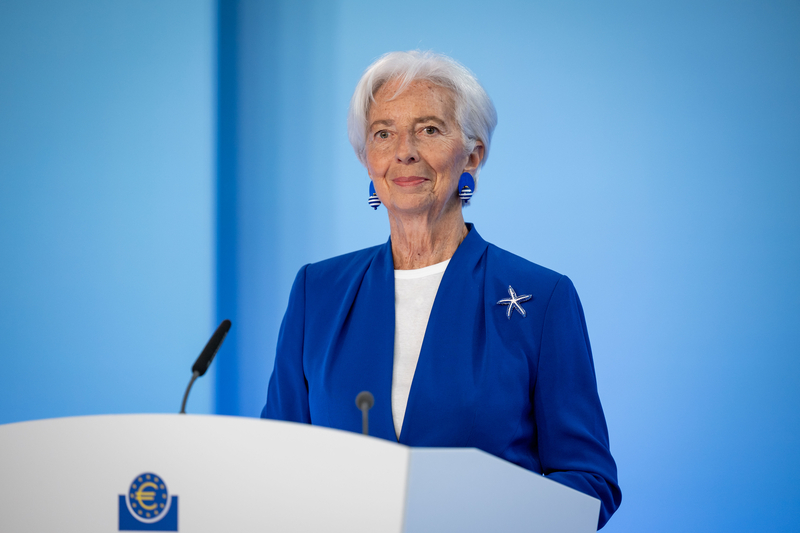
European Central Bank raises interest rates as Iran war generates inflation pressures
Eurosystem staff revised up their baseline projection for inflation in 2026 and 2027
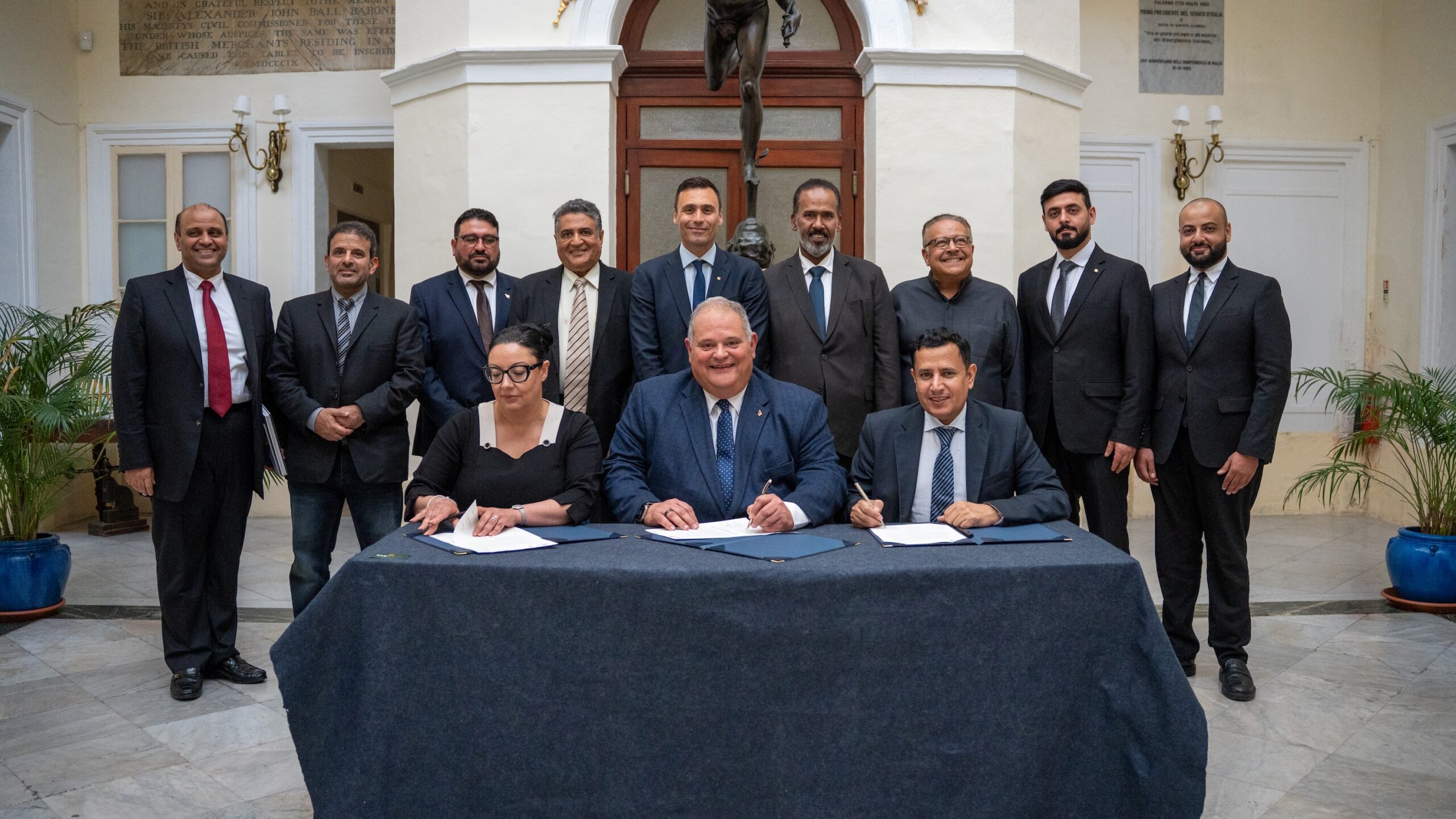
Malta and Saudi Arabia deepen commercial ties through Chamber MoU
The visit aims to support Maltese companies entering the Saudi market and a gateway for Saudi investment into Europe