



Technology and cybersecurity leaders say 2025 exposed fragile foundations beneath record investment, strong business performance and rapid AI adoption, sharpening the leadership challenges that will define 2026.
Cybersecurity expert Daniel Thompson-Yvetot, CEO of Crabnebula and co-creator of the open-source toolkit Tauri, described 2025 as “the year the snake ate its tail”, arguing that AI investment has become circular, with capital flowing between the same players without resolving profitability. Despite warnings that revenues will not justify the infrastructure being built, data centres continue to expand. Even Malta, he noted, has joined this loop, with an AI supercomputer that “will be used primarily to generate compliance documentation. This is not a joke.”
Investor and tech entrepreneur Simon Azzopardi said leaders were forced to perform under intense pressure in a year shaped by market volatility, geopolitical disruption and AI uncertainty. While many businesses delivered strong results, he called it “one of the most mentally demanding years” of his career. Looking ahead, he said companies have moved beyond experimentation and now face deeper organisational change, with leadership success depending on the ability to guide teams “with clarity and empathy”.
In cybersecurity, Keith Cutajar, CEO of CY4 Security, said 2025 marked the end of denial. Cyber attacks are now inevitable, not hypothetical. Organisations claiming otherwise, he said, are usually unaware or unable to detect active threats. He warned that refusing modest preventative investment often leads to far higher breach costs later, stressing that “remediation is always costlier than prevention”, as AI-driven attacks accelerate and many companies remain unprepared.

Malta’s traffic congestion takes toll on tourist experience and investor impressions
Malta’s traffic congestion is putting pressure on tourist guides, frustrating visitors and leaving a negative impression on potential foreign investors
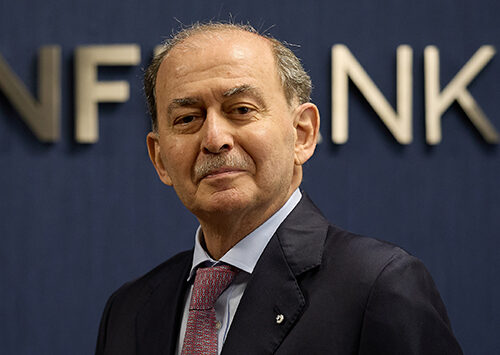
BNF Bank welcomes Izzat Nuseibeh as Chairman, reinforcing its long-term commitment to Malta
He brings more than four decades of international banking experience across corporate, private and institutional banking

Malta’s FDI appeal rises, but concerns about skills shortage persist, EY survey finds
44% of investors describe Malta’s planning and preparedness for population growth as inadequate