


The annual inflation rate, as measured by the retail production index, edged slightly upward in April this year, reaching 2.8 per cent from the 2.7 per cent that was measured in March this year, and up from the 2.4 per cent registered in April 2025.
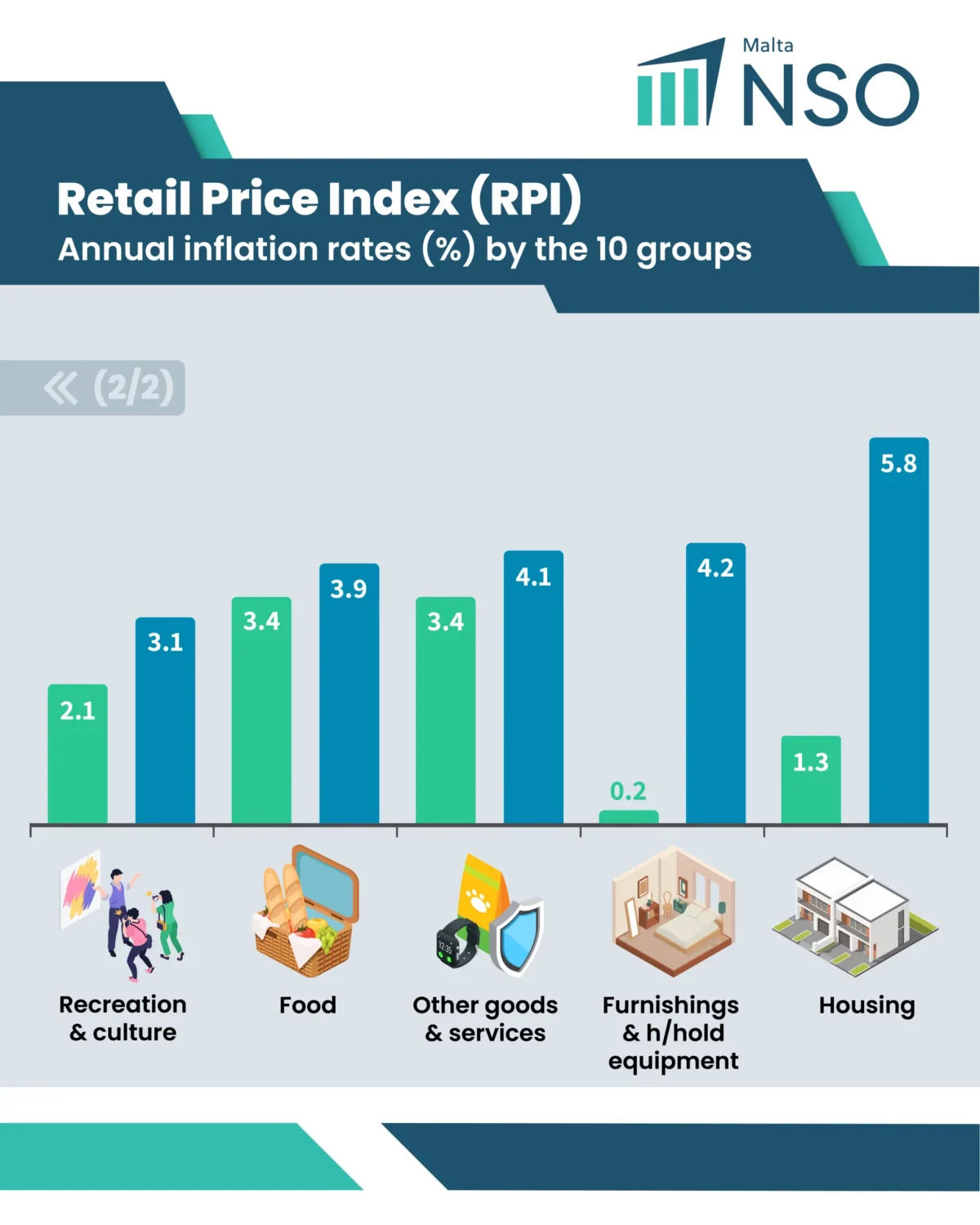
The highest annual inflation rate in April were registered in Housing (5.8 per cent) and Furnishings and household equipment (4.2 per cent).
Other notable increases include the annual inflation rate of other goods and services (4.2 per cent) and food (3.9 per cent).
On the other hand, the lowest annual inflation rates were registered in Clothing and footwear (-4.3 per cent) and Water, electricity, gas and fuels (0.0 per cent). The government has been subsidising energy costs since the Covid pandemic.
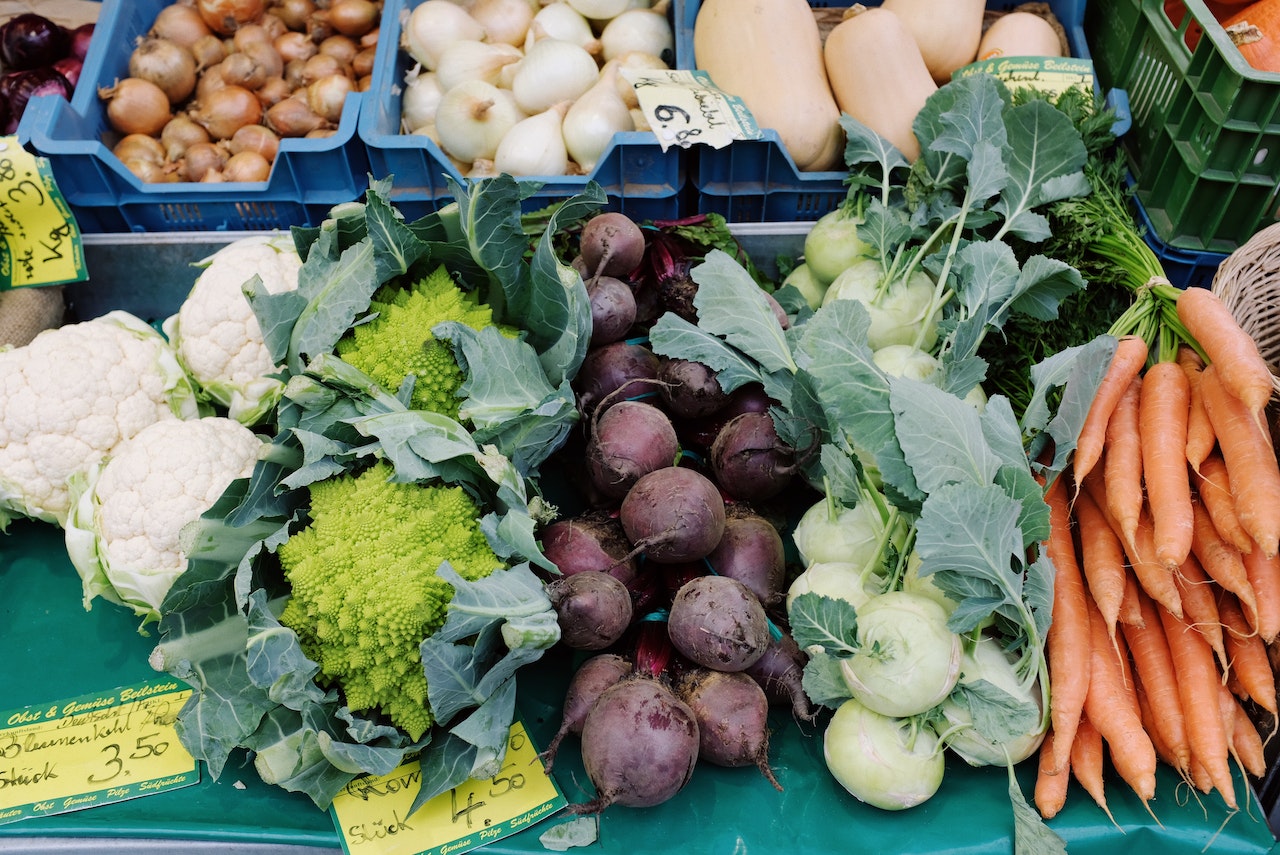
Data published by the National Statistics Office, shows that the largest upward contribution to the overall annual inflation rate was registered in the Food Index (+0.85 percentage points), largely due to higher prices of vegetables.
The second and third largest contributions were measured in the Housing Index (+0.46 percentage points) and the Transport and communication Index (+0.38 percentage points), mainly on account of higher prices of tiles and air transport services, respectively, the office said.
The downward contribution to the overall annual inflation, it said, was registered in the Clothing and footwear Index (-0.29 percentage points), mainly reflecting lower prices of garments.
The 12-month moving average now stands at 2.6 per cent, up one percentage point from January.


Tech, logistics and industry shape Malta’s employment landscape
The employee benefits expense was highest in technological solutions, professional and business support in both local and foreign companies
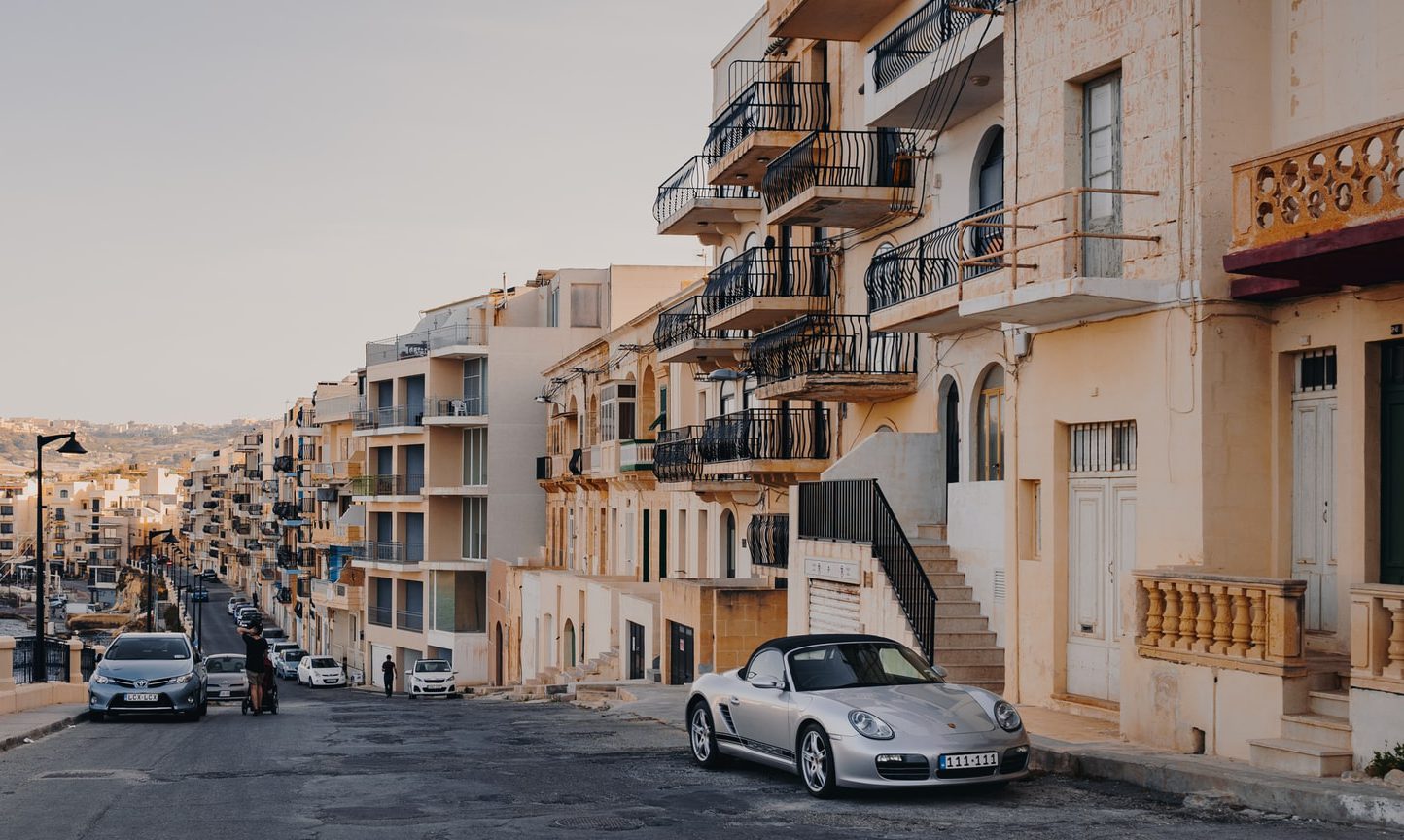
169 holiday properties investigated over suspected illegal operations
The MTA has conducted 4,215 inspections throughout 2026 to ensure tourism operators are complying with applicable laws
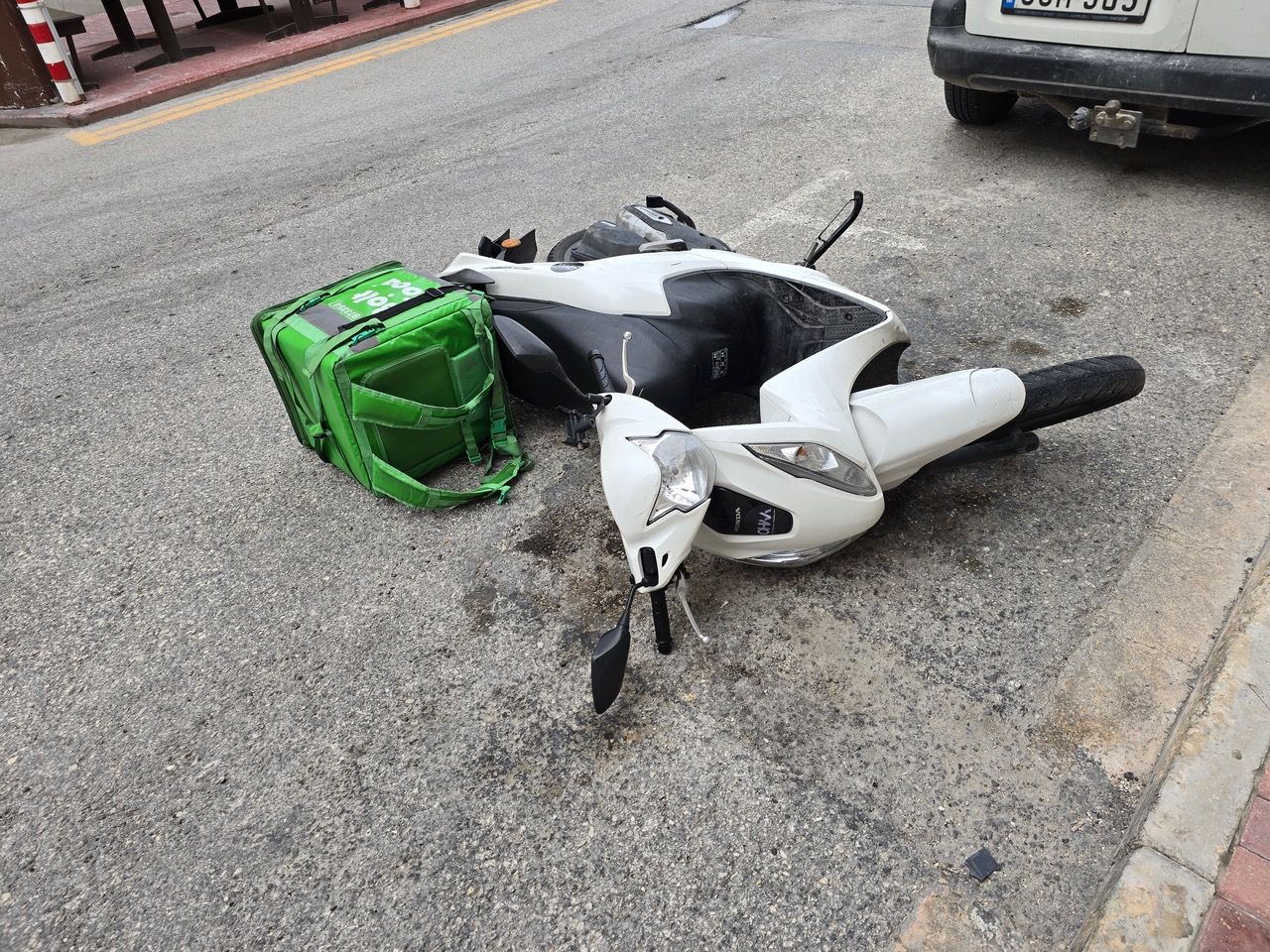
Six months into random roadside drug testing, insurers call for enforcement figures
'Every life saved on our roads is a major success'