



With the 2026 General Election a few days behind us, people now look to the formation of a new Government. Prime Minister Robert Abela will soon form his Cabinet, and will then focus on implementing the promises the Labour Party made throughout the campaign.
But going forward, one does wonder if and how the electoral result will shake things up.
The Government won a majority in Parliament. The gap of nearly 22,000 votes is a comfortable lead for the Prime Minister, but it is not the 39,000 vote lead which the Government had in the 2022 election.
This means that the Government will now have to be more on its toes, so to speak. It will likely aim to solidify its voter base over the coming years, and that means focusing on implementing some of its larger electoral pledges sooner rather than later, before the MEP and local council elections.
For the PN, while it is still a large loss, the gap has narrowed. The narrowing of the gap is crucial for Alex Borg, who was appointed PN Leader just last September. It is a chance for the party to continue with its revival and building on the work it has done. But it will not be easy, and what was gained could easily be lost.
The question arises as to what more the PN could have done during the campaign. Perhaps it was a question of Alex Borg not having had enough time at the helm. It could be that some proposals, such as a Metro in 5 years, while ambitious, seemed too hard to believe.
It could also be that the country’s economy is doing well, and when faced with issues outside of Malta’s control, the Prime Minister has been successfully tried and tested.
On the latter point, there is no doubt that Prime Minister Abela has made a success out of the international challenges that have emerged in the past years. But the reduced vote gap could also be an indication that people are starting to lose faith in the Government’s ability to tackle the impact of certain decisions previous PL Governments took in recent years.
The impact of the ever-growing population comes to mind. While the Government pushed the economy in that direction to start with, it clearly did not have a plan to mitigate the impacts such a population boom would have. This has, for instance, resulted in the serious traffic issues the country now faces.
The Government has a plan for a light rail system which it is now expected to start working on, but it remains to be seen whether this line, which crucially avoids economic and congestion centres like Sliema and St Julian’s, will work.
The Labour Party is still the party most trusted to govern, by a significant margin, winning a record 4th General Election in a row, but it should take the reduced gap as a hint that people are not as happy with it as they were five years ago. While the PN should certainly analyse what more it can do, the PL should also analyse the result and see what people are most annoyed with and work on those aspects.
It was good to see that the campaigns were, for the most part, civil. They could best be described as campaigns of ideas, but also as a campaign with ambitious pledges. On the former point, the shift from the heated political atmosphere seen in past years was a welcome sight.
But while the focus was on pledges, questions do arise as to whether some were well-thought out.
Here, one must bring up the extra leave proposals. While they are good family-friendly measures and really should be implemented, concerns regarding the impact on businesses in terms of manpower are valid, and solutions to those issues must be found.
The campaigns also saw pledges made which will be costly. For example, Both parties made promises to boost income, such as the PL’s €1,000 annual “super bonus”. The PN had promised the income tax changes. These are welcome by all, but will be costly measures.
One hopes the government has planned enough to ensure that its measure can be easily implemented, while taking all other things into consideration, including the cost of energy subsidies, the light rail plan etc.
Looking to the coming years, the international geopolitical situation is fluid, and things change quickly. The past years have seen many unexpected issues arise which Malta has no control over. Covid, the was in Ukraine and the Middle East… They all have an impact internationally, and on Malta.
Ensuring that Malta has the war chest to meet such challenges should continue tobe a priority, which is why the economy needs to keep growing.
A focus on attracting new economic niches which are less human-resource heavy, reskilling and upskilling the workforce, and the use of AI will be important in the years to come. It was good to see the parties focus on these points during the campaign, and how the Government introduced an AI for everyone course.
Technology changes quickly, and if Malta is to remain competitive, it too must welcome those changes, and have the skills needed to keep up with the times.
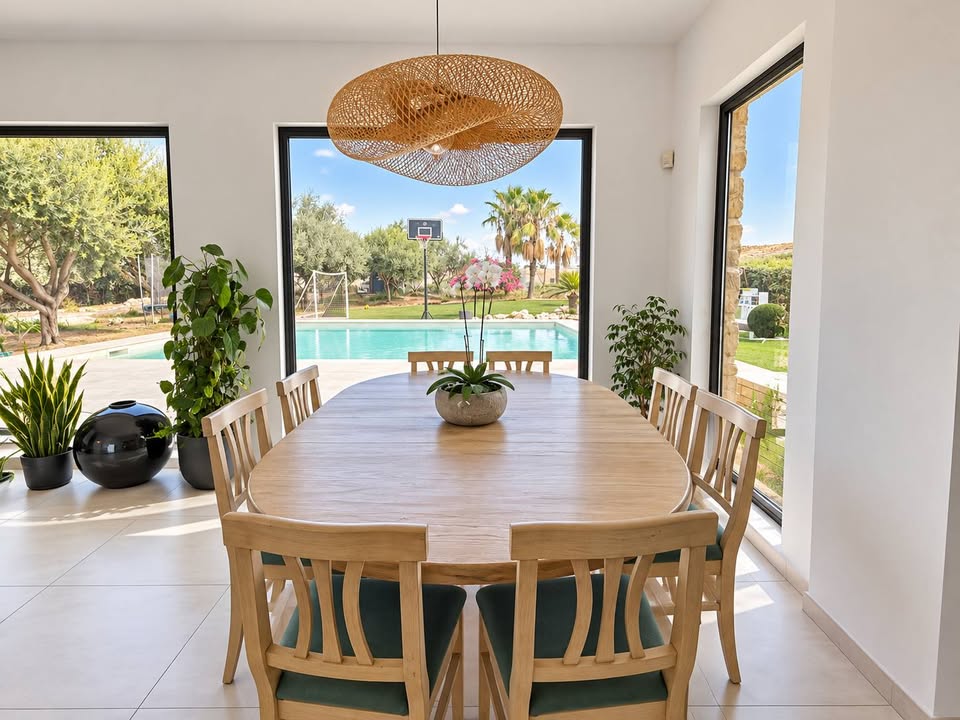
Malta now has more €1,500,000+ homes for sale than ones under €250,000
A full quarter of the homes available for no more than €250,000 are in Gozo
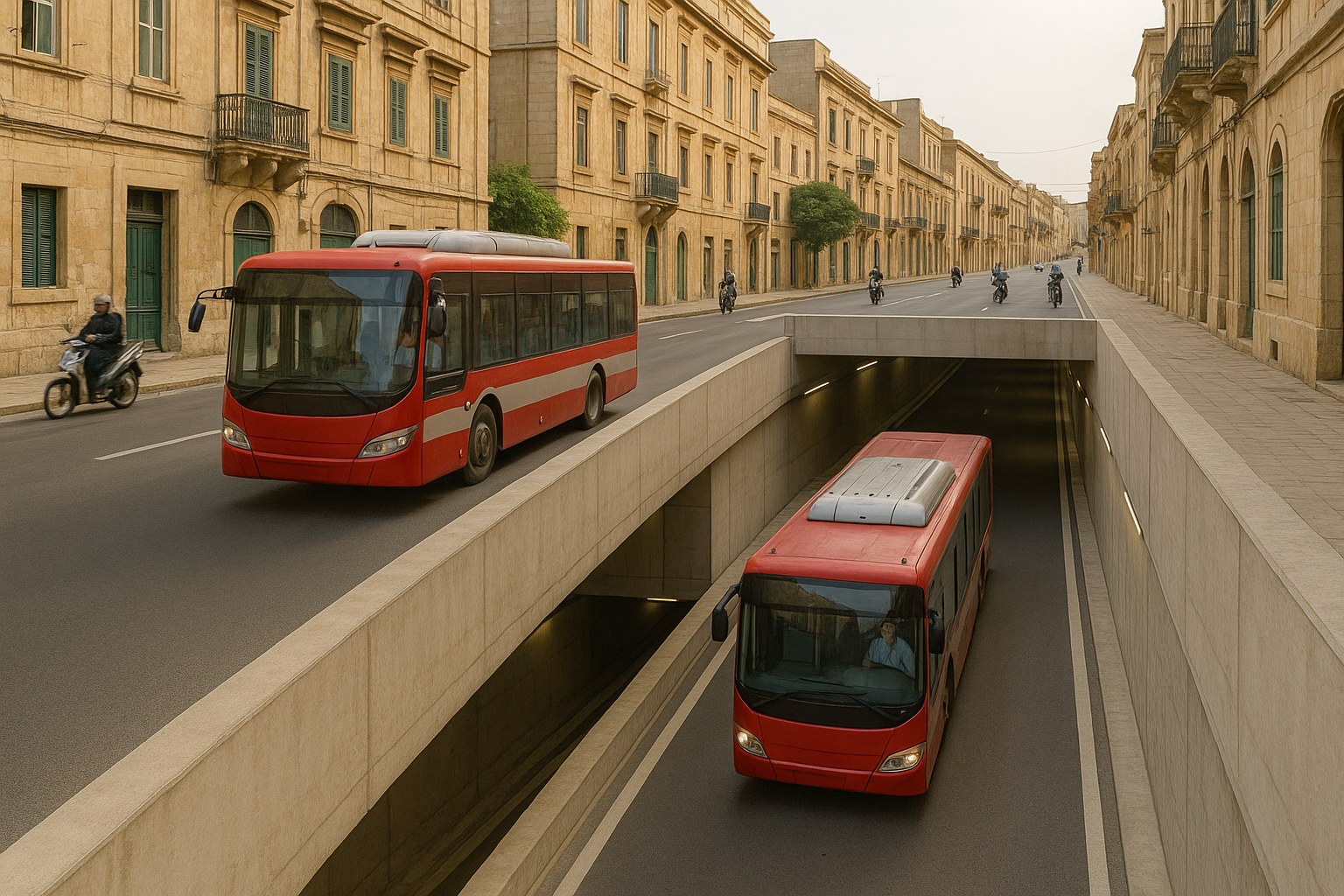
Perit proposes underground transport network to tackle traffic, flooding and lack of open spaces
He calls the project 'A Second Malta'
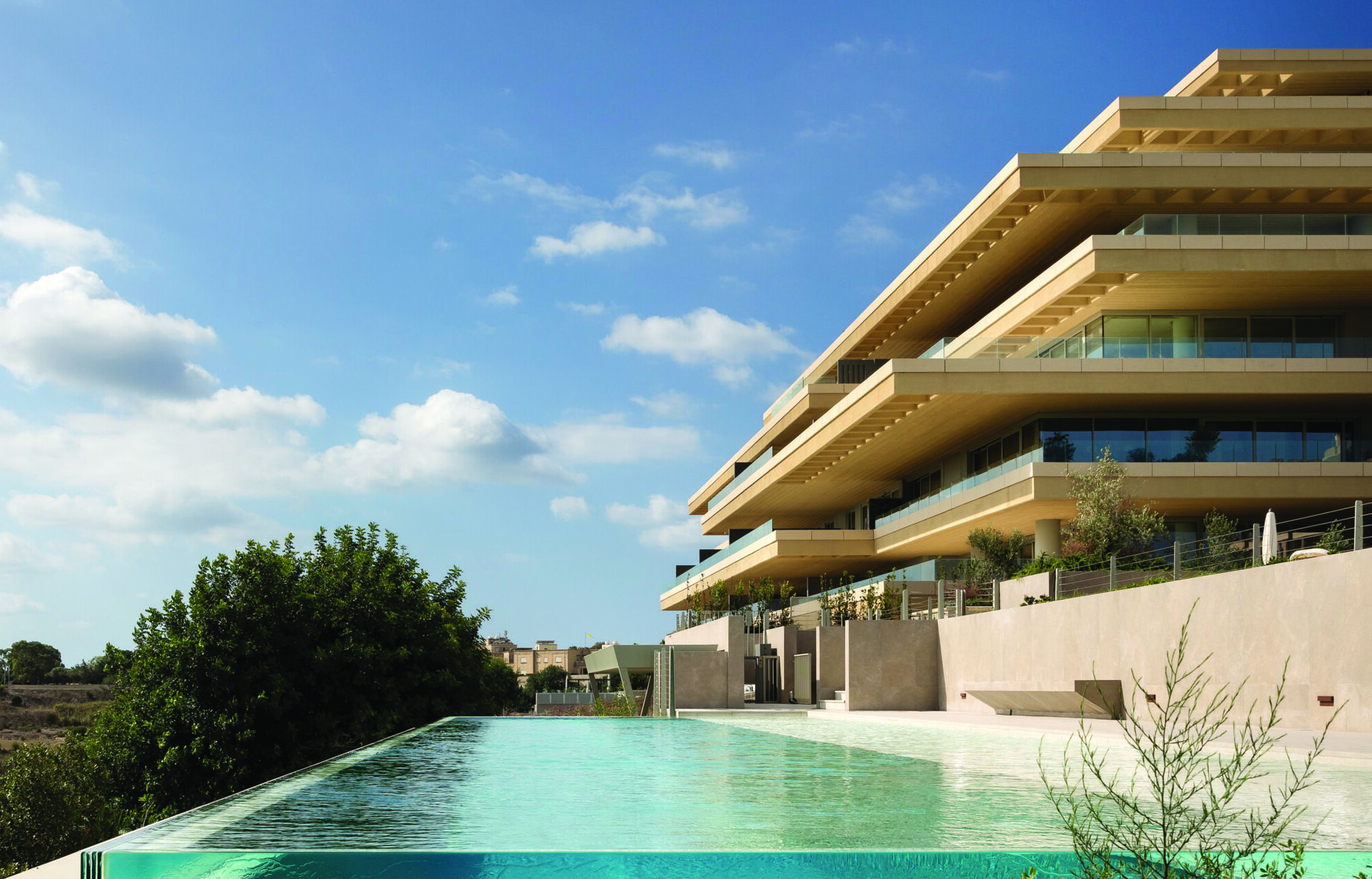
AX Group calls for destination hubs as part of tourism strategy shift in Budget recommendations
Development of a national employment and skills strategy, investment in infrastructure, tourism strategy shift are its top priorities