


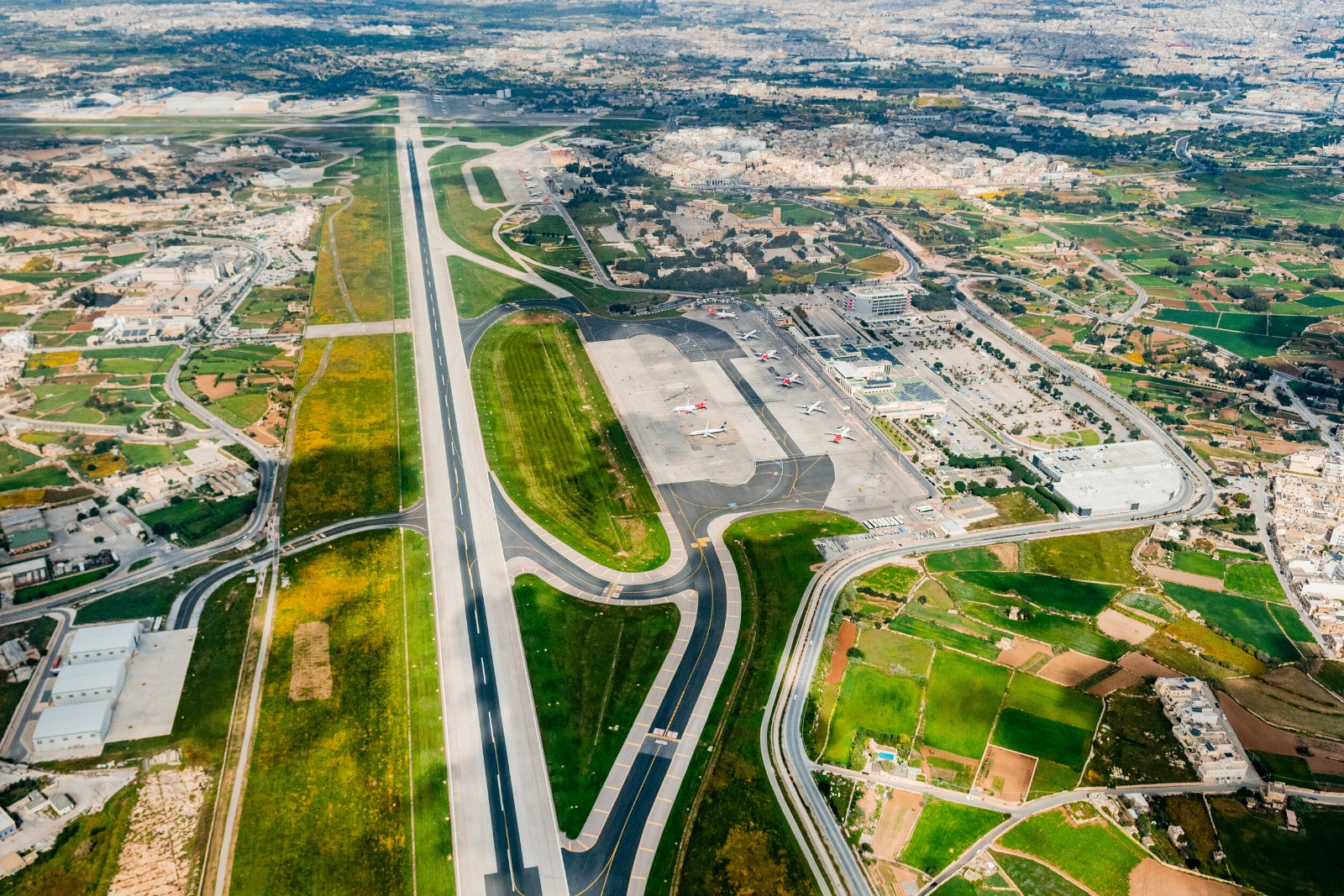
Airfares to and from Malta rose by an average of 42 per cent between 2023 and 2025, based on data provided by Eurostat.
Industry insiders say the figures must be interpreted with caution, reflecting a mix of factors from European climate measures and routes available to individual choices when booking tickets.
According to the data, the average price paid by a passenger for a flight ticket to or from the country rose by 15.6 per cent from 2023 and 2024, and by 22.9 per cent from 2024 to 2025.
The data is not about any specific airline, but rather is about general air travel prices for consumers. This newsroom reached out to KM Malta Airlines, as the national air carrier, for some insight into the situation, and Executive Chairperson David Curmi underlined that the sector is facing externally determined costs, while stressing that Eurostat percentages cannot be compared with KM Malta Airlines’ average fares.
“It is important first to clarify that the Eurostat figures appear to measure changes in consumer prices for air transport rather than the arithmetic average fare paid across every flight to and from Malta. They should therefore not be interpreted as showing that every airline, route or passenger experienced the same percentage increase,” Mr Curmi said.
He said that airfares are determined by a combination of market conditions and operating costs, and highlighted certain cost increases that are affecting airlines.
“On the market side, prices are influenced by demand, available seat capacity, seasonality, the route concerned and how far in advance a passenger books. At the same time, airlines have experienced substantial increases in several externally imposed or externally determined costs. These include airport and ground-handling charges, air-navigation and en-route charges, aircraft maintenance and supply-chain costs, regulatory and environmental compliance costs, and fuel-price volatility.”
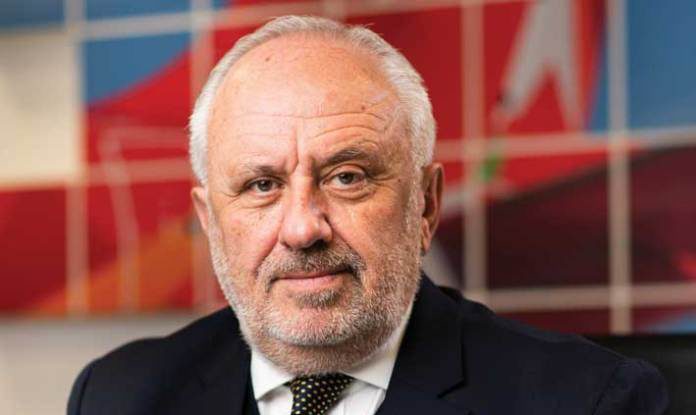
Mr Curmi said that airlines have limited control over many of these costs, particularly airport, navigation and regulatory charges.
“Although airlines seek to absorb costs through efficiencies and productivity improvements, sustained increases cannot always be absorbed indefinitely and may ultimately be reflected, at least partly, in ticket prices.”
European Sustainable Aviation Fuel requirements adding further cost considerations
He said that from 2025 onwards, the introduction of the European Sustainable Aviation Fuel requirements (SAF) has added a further cost consideration, "given the substantial price differential that currently exists between Sustainable Aviation Fuel and conventional jet fuel. The unwinding of the EU Emissions Trading System free allocation allowance to airlines has likewise had a direct impact on the cost of tickets as many airlines introduced an Emissions Surcharge.”
In response to questions regarding the airline’s own ticket prices for the same date range, he said that the Eurostat percentages cannot be compared with KM Malta Airlines’ average fare without first establishing precisely what is included in the Eurostat measure.
“The total amount paid by a passenger may include the airfare retained by the airline as well as airport charges, government taxes, security charges and other third-party amounts collected by the airline. It may also be affected by optional services selected by the passenger. Changes in the total price paid do not therefore necessarily correspond to an equivalent increase in the underlying fare earned by the airline.”
In addition, an airline’s average fare is affected by changes in the mix of routes, travel dates, booking lead times, fare categories and the proportion of passengers travelling in Economy and Business Class, it said.
No uniform increase
But he did say that the airline has not applied a uniform increase across its network. “Fares continue to vary according to route, demand, seasonality, booking date and seat availability.”
As for whether the airline thinks ticket prices will continue to rise in the coming hears, Mr Curmi said it would not be accurate to assume that airfares will move uniformly upwards across every route.
“Airline ticket prices are dynamic and are strongly influenced by competition, demand and available seat capacity. Where capacity exceeds demand, fares may remain under pressure or fall. Where demand is strong and capacity is constrained, average fares may increase.”
Nevertheless, the underlying cost base of European aviation is likely to remain under pressure, he said. “Airport and air-navigation charges, maintenance and supply-chain costs, regulatory obligations, environmental compliance and the increasing use of SAF are all likely to affect the cost of operating flights.”
Mr Curmi said that these pressures can be mitigated through greater operational efficiency, investment in newer and more fuel-efficient aircraft, improved airspace management, competitive airport and ground-handling arrangements, and measures that accelerate the availability of sustainable aviation fuel at a more competitive price.
“For Malta, maintaining strong and sustainable airline competition is especially important. However, the objective should not simply be the maximum possible number of seats at any price. The long-term priority should be reliable year-round connectivity, adequate capacity, competitive fares and commercially sustainable air services that can continue serving Malta over the long term.”
Current operating environment remains challenging – MIA
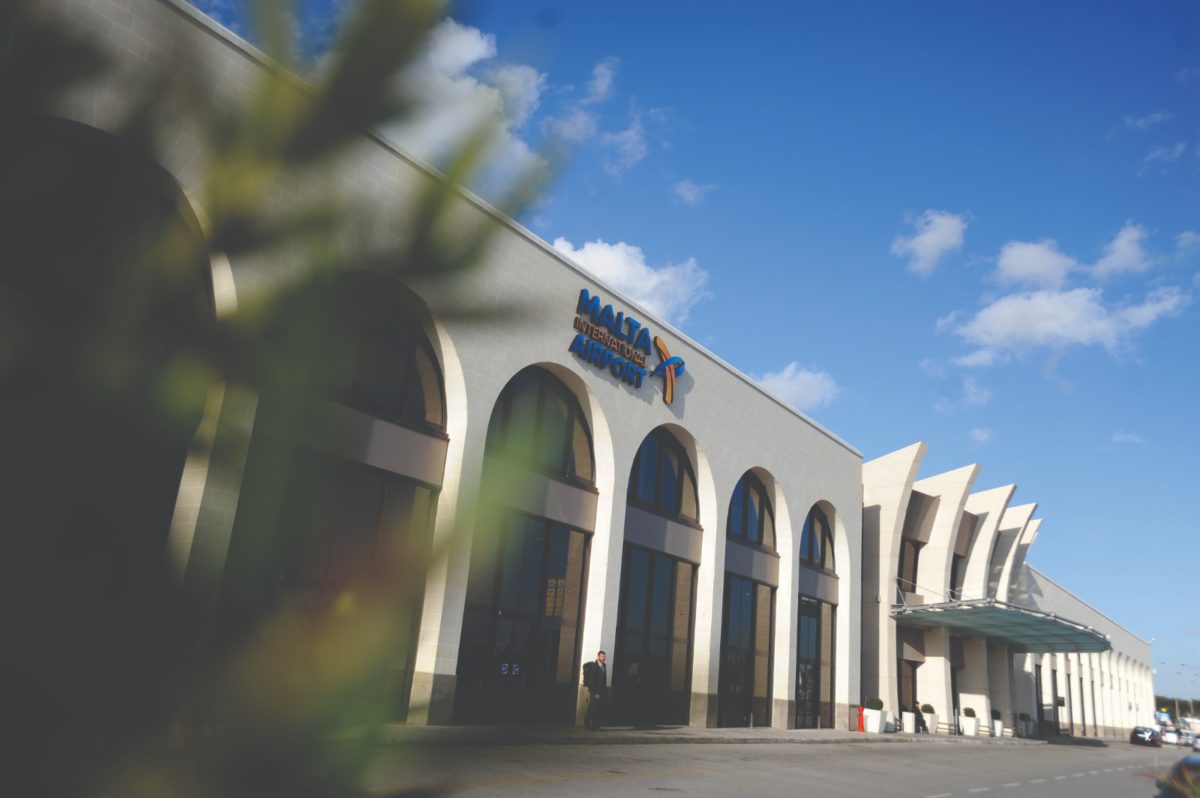
Also contacted by this newsroom for its thoughts about the situation, Malta International Airport underlined that affordable air services are essential given that Malta relies on air travel as its primary means of international connectivity.
The company said that it is committed to supporting accessible and competitive air travel by building a diverse network of airlines and maintaining a competitive operating environment. “A key element of our strategy has been keeping airport charges unchanged for almost two decades, helping to contain a component, although marginal, of airlines' operating costs.”
The airport said that airfares are determined by individual airlines based on a range of market factors. “We recognise that the current operating environment remains challenging and, although passenger demand has so far been resilient, these conditions are expected to lead to slower-paced growth over the winter period.”
The company said it will continue to monitor developments closely and work with airline partners to support Malta's air connectivity and competitiveness as a destination.


More than 50 startups collectively awarded €15 million in financial assistance
These businesses have created around 250 quality jobs, Government said
Insurers call for urgent clarity over EV disposal procedures while highlighting ‘practical difficulties’
Malta currently lacks suitable facilities for treating these batteries, association said

Working remotely abroad? Businesses warned of potential tax risks at Mobility Elite Summit
Working remotely abroad is not just a matter of finding a nice place