



Life happens. And sometimes that means that you cannot fulfill your obligations.
Thankfully, banks are often understanding of temporary setbacks, and can place a moratorium on your loan.
But what is a moratorium, and when and how is it applied?
Today’s column by Marisa Said, who heads the Consumer and Microbusiness Finance Department at Bank of Valletta, continues a series of articles aimed at demystifying the world of credit.
The first article, on sanction letters, can be found here. Other entries tackled the difference between secured and unsecured loans, and explained what collateral is.
The series has also delved into the difference between general and special hypothec, the meaning of special privilege in a mortgage, and the difference between capital and interest.
The previous article then focused on loan amortisation.

Ms Said has over 30 years of experience in retail banking, most of which are directly related to mortgages, and is a key trainer in the area of home loans.
She explains:
Moratorium refers to a period during which a borrower is allowed to temporarily suspend the loan repayments.
This may be granted by the bank or the lender in particular situations, such as when the borrower experiences financial hardship or is studying temporarily.
During the deferment period, the loan continues to accrue interest, which will be required to be paid over the term of the loan.
A moratorium can help borrowers avoid defaulting on their loans by giving them time to get back on their feet financially or complete their education without the added burden of loan repayments.
A moratorium is typically granted for a specific period and requires an application process with the bank to request it and determine the period and terms of repayment.
Some loans, such as student loans, may offer this option as part of the loan agreement, while others may require a specific request from the borrower according to their financial situation.
An Expert Explains is a BusinessNow.mt initiative to improve economic financial literacy by inviting industry leaders to explain technical terms in a manner that can be understood by a general audience. If you would like to suggest a term or concept for our network of professionals to break down, or if you are an expert willing to contribute to this column, send us a message on our Facebook Page.


Digital euro could eliminate refund delays, says ECB
ECB officials say 'conditional payments' could transform everyday transactions

How Mediterrania Capital Partners is bridging private equity and public markets to unlock Africa’s potential
ASEF is reshaping how institutional investors think about Africa’s public markets: a growth engine and a diversifier in global portfolios
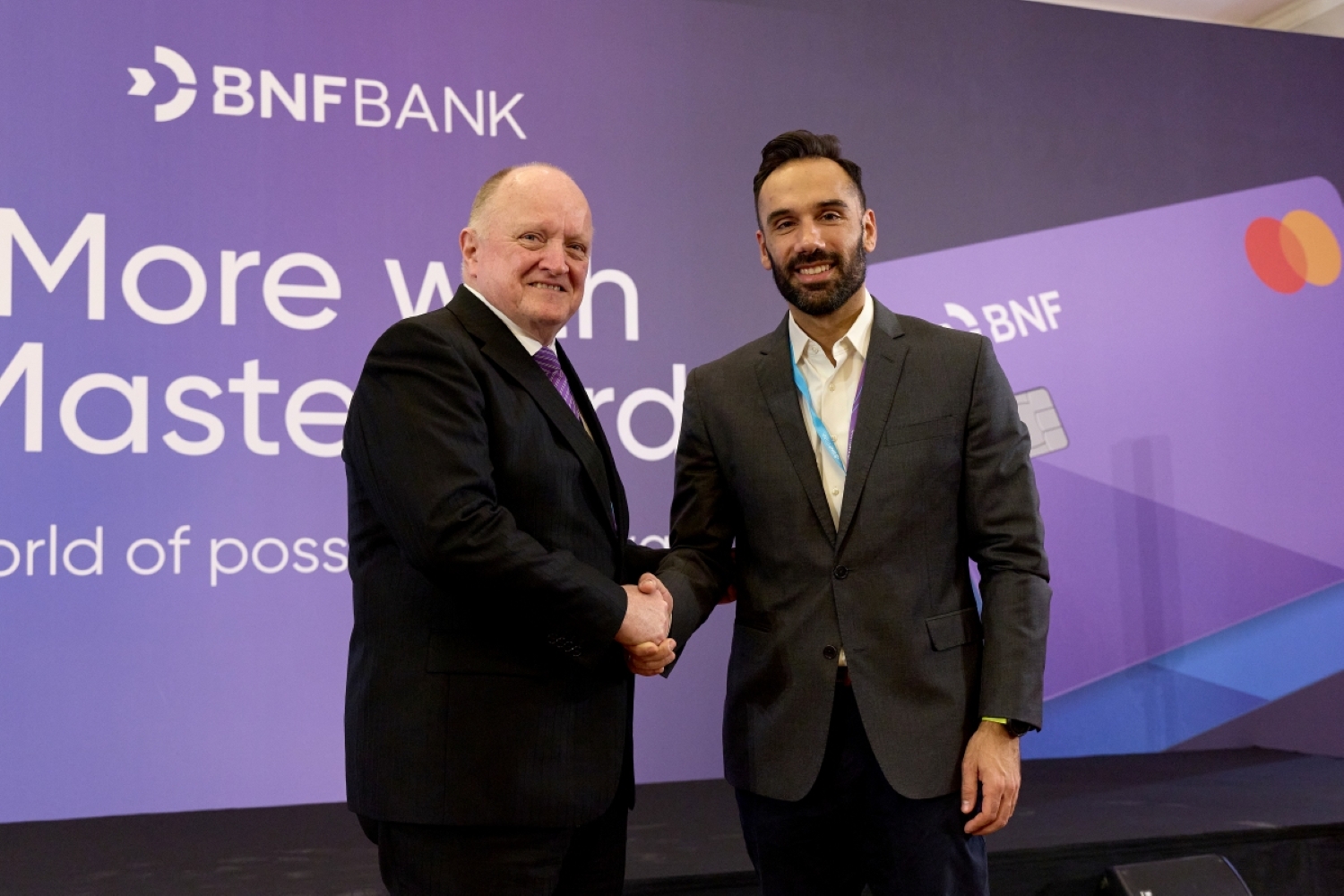
BNF Bank and Mastercard partner to bring added value to Maltese customers
Collaboration enhances everyday banking through exclusive experiences, rewards, and innovative payment solutions