



Despite rising costs and recruitment challenges, a majority of Maltese firms report steady or improving activity, with stronger investment and hiring intentions for the months ahead.
Business sentiment among Maltese companies improved modestly during the third quarter of 2025, according to the Central Bank of Malta’s latest Business Dialogue survey.
The report, based on interviews with 62 non-financial corporations held between July and September, paints a picture of cautious optimism across sectors – supported by solid service activity and a rebound in trade, but tempered by ongoing labour shortages and cost pressures.
More than 40 per cent of surveyed firms said business conditions had improved over the previous three months, while a similar proportion reported stability. The net balance of firms citing better conditions rose to 27 per cent, up from 22 per cent in the previous quarter.
Service-based businesses – particularly those in professional, IT, gaming, and tourism-related activities – remained the most upbeat, supported by resilient demand and seasonal strength. By contrast, parts of manufacturing, construction, and real estate continued to face slower demand and tighter margins, while retailers reported modest recovery helped by back-to-school and early festive season sales.
Investment and hiring plans strengthen
Encouragingly, firms’ investment intentions nearly doubled from the previous quarter, with a net 27 per cent planning to increase capital expenditure, expansions, or refurbishments. Many companies also reported embedding sustainability measures – such as solar panels and electric vehicles – directly into new projects.
Employment sentiment also improved markedly. The net share of firms expecting to increase headcount rose from 45 to 60 per cent, reflecting confidence in near-term activity. Still, recruitment difficulties remain widespread across all industries.
The Central Bank noted that “persistent labour shortages continue to pose a substantial challenge to business expansion”, with 40 per cent of firms naming it their most pressing concern. Companies in technology, finance, and construction were among those finding it hardest to fill vacancies. Some reported turning down work due to staff shortages, while others are investing in automation or offering higher pay and flexible benefits to retain talent.
Wage expectations rising, especially in construction
Wage growth expectations remain concentrated in the mid-range, with 27 per cent of firms anticipating increases between 4.1 and 5 per cent this year. However, the share of firms expecting stronger wage growth – between 8.1 and 10 per cent – rose sharply to 15 per cent, driven mainly by construction and real estate companies competing for skilled labour.
The Bank found evidence of upward wage pressure as firms attempt to attract and retain employees in a tight labour market. Some reported that even generous benefits such as health insurance, training, and flexible schedules have not been enough to offset high turnover, particularly among third-country nationals.
Cost pressures easing but still elevated
While rising costs remain a concern, their intensity has lessened compared to earlier in the year. A net 56 per cent of firms reported higher input costs, down from 63 per cent in the second quarter. Labour expenses were cited as the most persistent cost driver.
Selling price increases were less widespread, with 35 per cent of companies raising prices compared to 42 per cent previously. The Bank observed that many firms are becoming “more cautious” about passing on costs to consumers, particularly in competitive sectors like telecommunications and retail.
Profitability varied: services and manufacturing saw modest improvements in mark-ups, while construction and retail firms often absorbed cost increases to remain competitive.


More than 50 startups collectively awarded €15 million in financial assistance
These businesses have created around 250 quality jobs, Government said
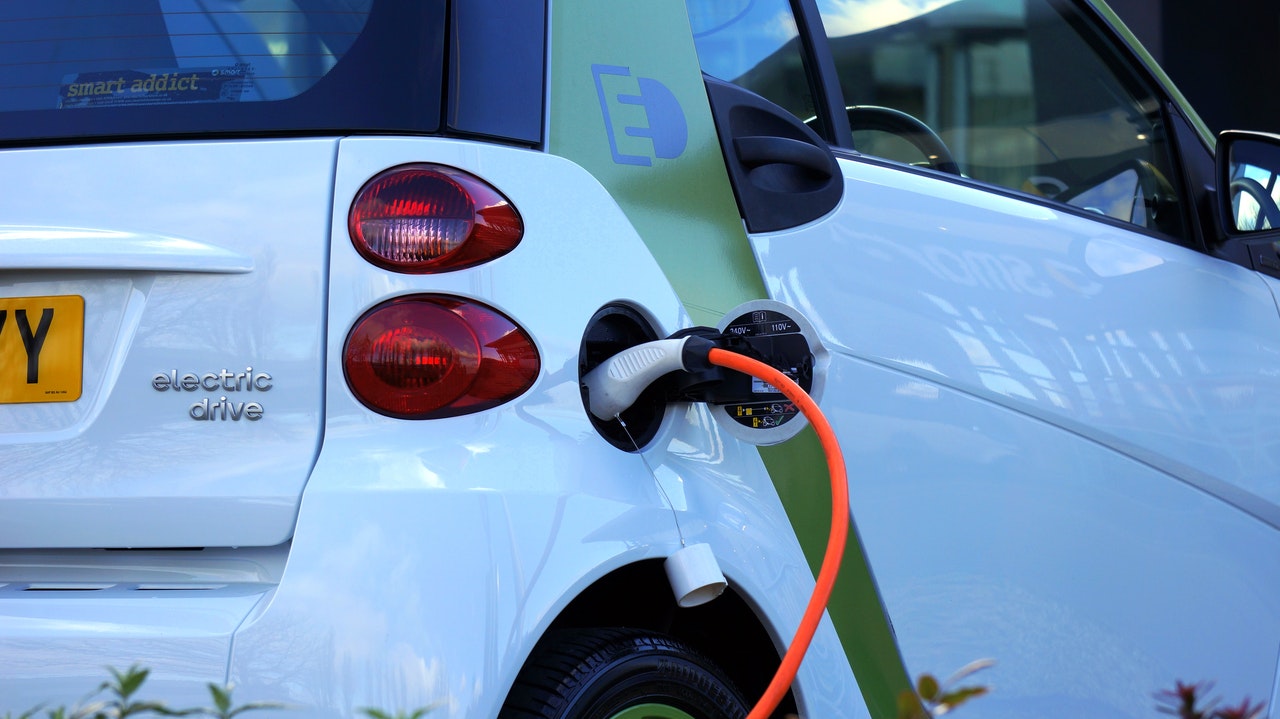
Insurers call for urgent clarity over EV disposal procedures while highlighting ‘practical difficulties’
Malta currently lacks suitable facilities for treating these batteries, association said

Working remotely abroad? Businesses warned of potential tax risks at Mobility Elite Summit
Working remotely abroad is not just a matter of finding a nice place