


The Malta Maritime Forum (MMF) has presented its maritime-centred manifesto to the major political parties, and is calling for the setting up of a National Maritime Authority.
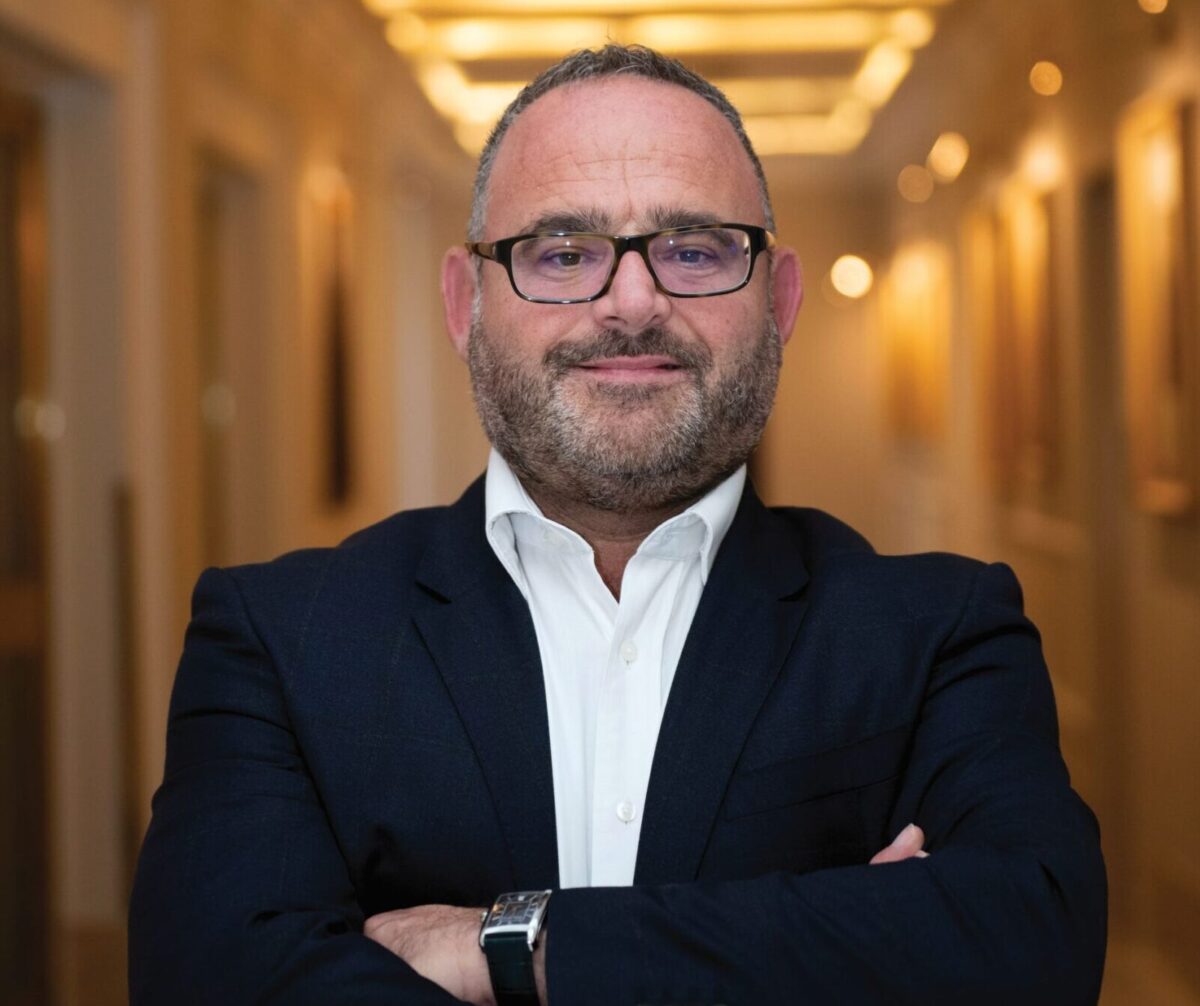
Contacted by BusinessNow.mt, MMF CEO Kevin J Borg said that the manifesto aims to further strengthen the industry as an economic player and also as a strategic enabler of the Islands’ future development, resilience and global competitiveness.
While the MMF welcomes the political consensus on the importance of the industry, it calls for the incoming administration to adopt a more maritime-centred approach to its national policy for economic and social development and to give more focus and importance to matters relating to the maritime economy and those who invest in it.
In its manifesto, the forum outlines the following four policy priorities for the industry, Mr Borg said.
These four priorities (Strengthening Maritime Policy Focus; a National Maritime Strategy; Education and Skills; Infrastructure) include a total of 77 proposals for the new administration.
The MMF’s foremost priority is “focused governance”, Mr Borg said, under which the forum reiterates its flagship proposal for the reestablishment of a National Maritime Authority. This Mr Borg said, would “ensure focus, improved timeliness in decision making, policy consistency and greater chance of seizing opportunities ahead.”
Tied to this, the MMF made what Mr Borg described as complementary proposals, such as the appointment of a Minister responsible for Maritime; a permanent inter-ministerial set up to ensure coordination; and the need for a structured public-private monitoring and consultation mechanism to review and analyse upcoming EU laws and engage with stakeholders.
Another major proposal is the implementation of a comprehensive National Maritime Transport Strategy "to guide investment, digitalisation, decarbonisation, and competitiveness, alongside stronger support for Malta’s ship registry and investment incentives.”
“The Strategy is designed to align with and complement Malta Vision 2050, consolidating the maritime industry’s position as a core economic pillar. Besides, it must fully align with EU laws and regulations, as well as with the European Commission’s own Maritime Strategy which is in the making.”
The MMF also places strong emphasis on addressing critical skills shortages in its manifesto.
This would be done through enhanced education, training systems and career promotion to build a sustainable workforce through the implementation of a Maritime Skills Strategy and the establishment of a National Maritime Certification Centre with a view to simplify career pathways and certification processes and increase the number of Maltese Certificates of Competency, he said.
The MMF is also calling for significant investment in infrastructure, including port capacity, logistics hubs, new fuel bunkering facilities, and multimodal transport solutions "to ensure seamless operations and relevance as a regional maritime centre of excellence," he explained.
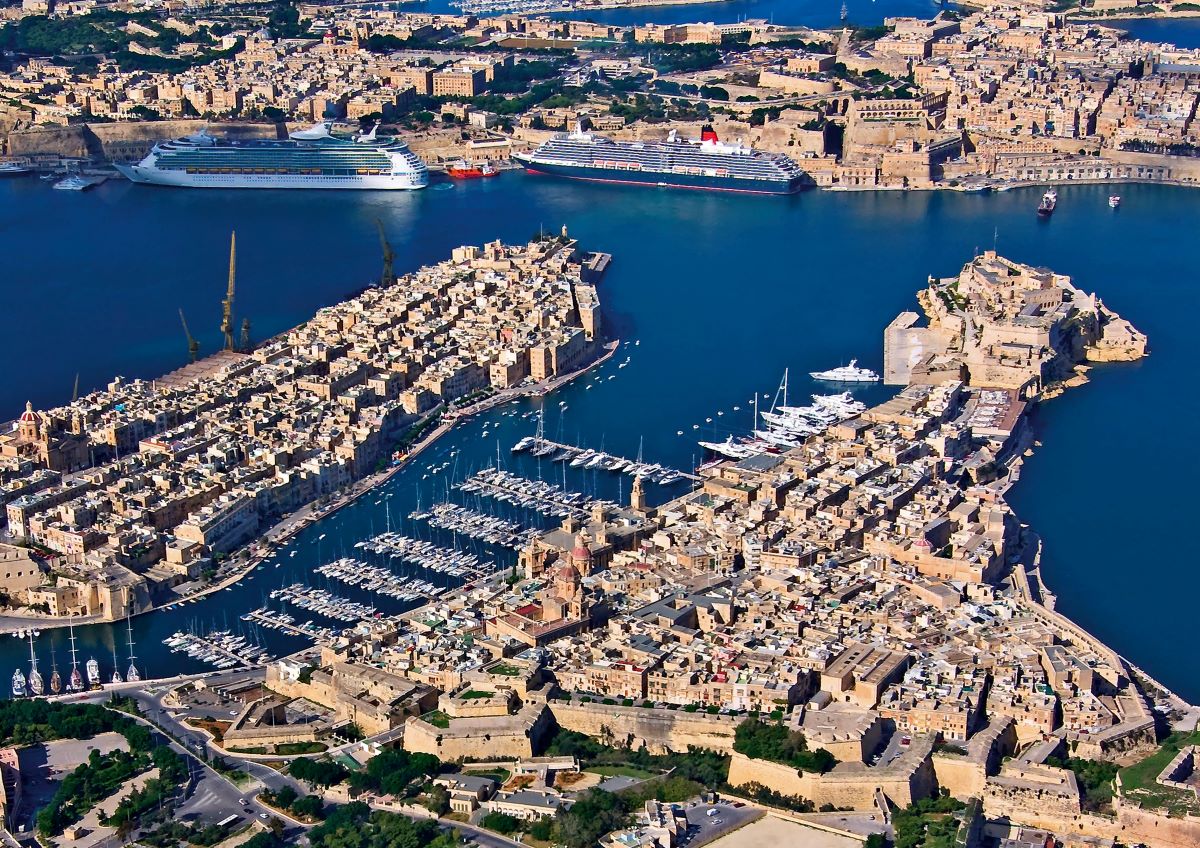
“In this regard, the MMF continued to propose multi-purpose quays and facilities within the Grand Harbour and urged the forthcoming administration to see through the project of Ras Hanżir without any further delays, ensuring that this new 365m quay is in operation prior to the commencement of any works related to the Grand Harbour Revival Plan,” Mr Borg said.
With regard to the latter, the MMF is reiterating its call for the commissioning of a full Nautical Risk Assessment report to ascertain that all strategically important commercial port activity is fostered.
The MMF also stressed the need for stronger engagement with EU policies to ensure they reflect Malta’s island realities, he said.
“Malta’s maritime sector depends on maintaining a strong global reputation, which requires consistently high standards supported by ESG principles and a commitment to sustainable, responsible practices,” Mr Borg added. To achieve this, the MMF calls for stronger regulation, enforcement and industry measures – such as ship agency rules, bunkering codes, and recognised qualifications – while urging Government action to ensure quality, compliance, and long-term growth.
“At a crucial juncture characterised by both (a) uncertainty and disruption caused by geo-political tensions and (b) profound transformation driven by digitalisation and decarbonisation, Malta must act decisively to strengthen its institutional frameworks, invest in infrastructure and human capital and enhance its attractiveness as a maritime hub of excellence,” Mr Borg said.
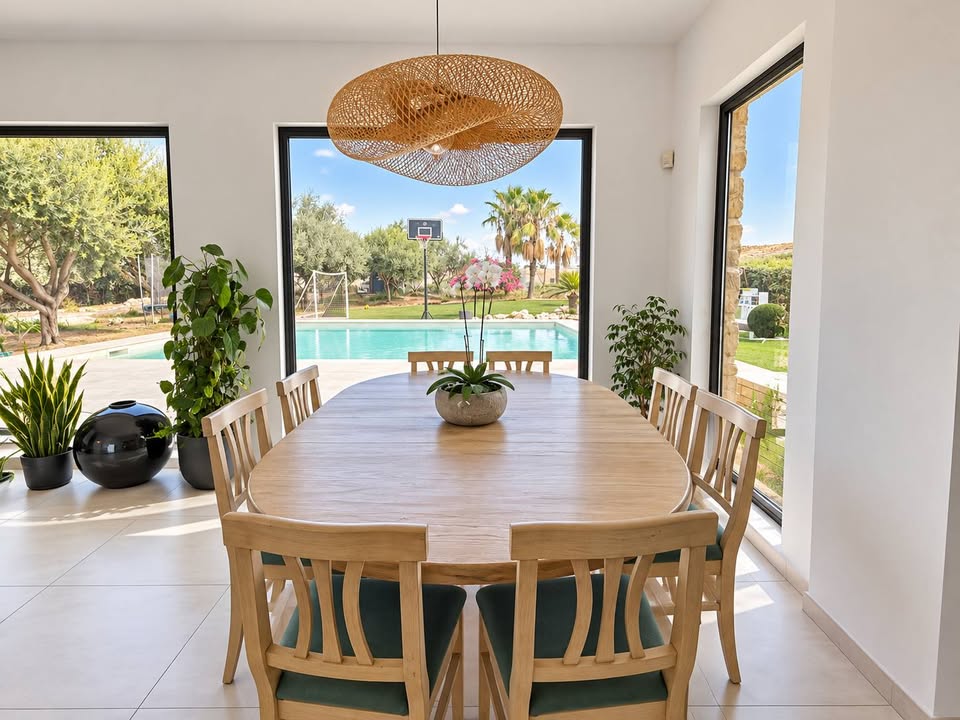
Malta now has more €1,500,000+ homes for sale than ones under €250,000
A full quarter of the homes available for no more than €250,000 are in Gozo

Perit proposes underground transport network to tackle traffic, flooding and lack of open spaces
He calls the project 'A Second Malta'

AX Group calls for destination hubs as part of tourism strategy shift in Budget recommendations
Development of a national employment and skills strategy, investment in infrastructure, tourism strategy shift are its top priorities