


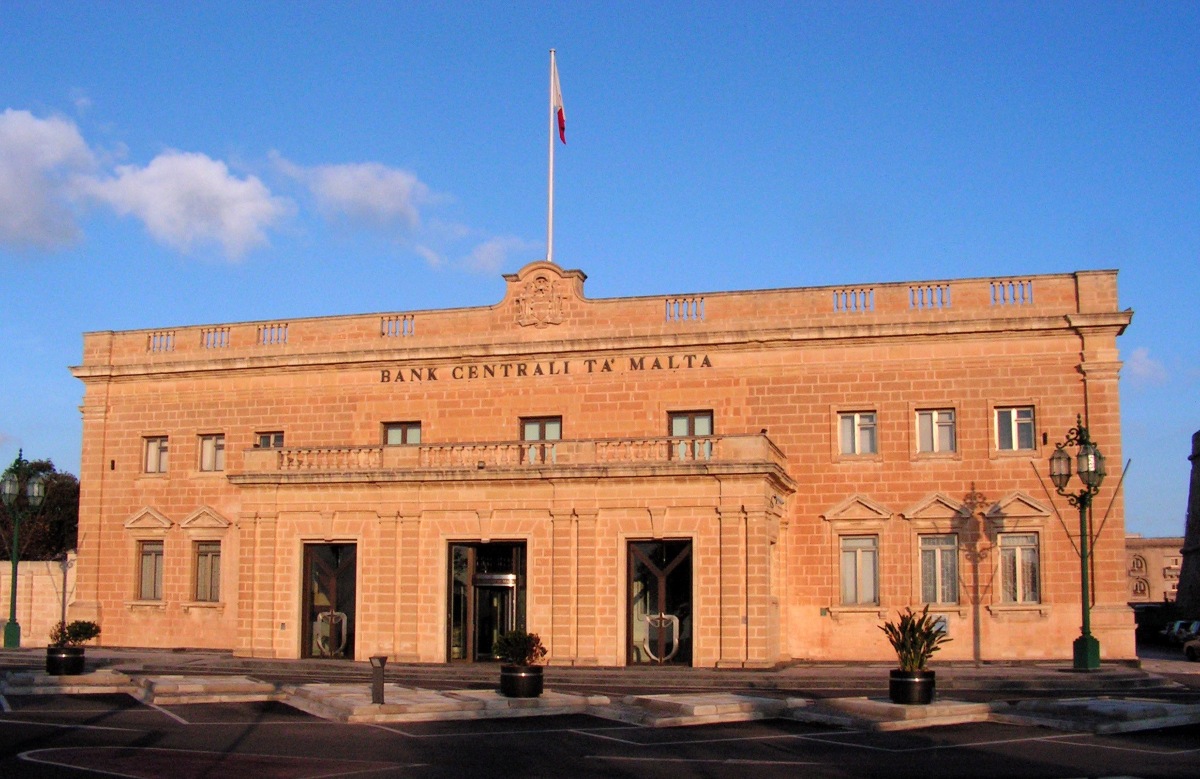
The Central Bank of Malta (CBM) is exploring the introduction of a national mobile proxy look-up system – a national mobile payment platform that would let people send money using familiar details, like a mobile number, instead of bank account information.
The move, inspired by systems like Revolut’s, would mark a major step forward in making interbank payments faster, simpler and more accessible to all account holders. It could also help local banks protect market share that they may have been losing to digital challengers.
Under this proposed framework, already adopted in countries like Lithuania, each bank account could be linked to a mobile number, allowing transfers between institutions such as APS, HSBC, or BOV to be made instantly and directly, without the need to manually enter an IBAN.
The CBM is currently seeking feedback from banks, businesses and the public on the potential benefits, use cases, and technical aspects of such a service, which could play a key role in Malta’s move toward a fully integrated digital payments ecosystem.
A shift away from cheques
The consultation forms part of a broader effort by the Central Bank to accelerate Malta’s shift away from cheque-based payments, a method still widely used locally but increasingly seen as outdated and inefficient.
The CBM is proposing changes to make cheque payments faster, safer, and more efficient. One key measure is reducing the validity of cheques and bank drafts from six months to three, encouraging prompt deposits and preventing long-outstanding payments.
Another proposal would require all cheques to be deposited into a bank account, rather than cashed, improving record-keeping, reducing fraud and supporting anti-money laundering rules. Existing cheques in circulation would still be allowed to be cashed during a temporary transition period.
The CBM also plans to increase the minimum cheque amount from €20 to €50, encouraging smaller payments to shift to faster digital methods.
Finally, it proposes that cheque deposits should be available in recipients’ accounts by the next business day, or instantly if deposited over the counter at the issuing bank. This ensures quicker access to funds and offsets the restriction on cashing cheques.
Making digital payments easier and cheaper
The Central Bank of Malta is also pushing for measures to make electronic payments simpler and more affordable.
From October 2025, all Maltese banks will need to send and receive instant euro payments within ten seconds at no extra cost. To support this, the Central Bank of Malta is urging banks to remove fees that could discourage digital transfers and has warned it will step in if needed.
Supporting a digital and inclusive economy
In parallel, recent amendments to Maltese law have made electronic salary payments mandatory for third-country nationals starting new employment after October 2025, a change that complements the Central Bank’s push for full digitalisation of payments.
Through these combined regulatory and technical reforms, the CBM aims to promote a modern, secure, and inclusive payment landscape in line with European standards.

Malta looks to China and Asia to diversify tourism markets
The partnership aims to promote Malta, diversify its tourism offering and boost sustainability

Strong demand for Malta Government Stocks as offers reach €617 million
The Government had initially authorised an issue of €300 million

Employers call for ‘decisive’ shift in public spending ahead of Budget 2027
The upcoming Budget 'must be judged' on its capacity to deliver long-term transformation, not just sustain short-term consumption