



Labour shortages are increasingly constraining Maltese businesses, with some companies even forced to turn down orders and shelve expansion plans, according to the latest report from the Central Bank of Malta.
The report highlights that 66 per cent of firms planning to increase staff levels in 2025 were also intending to pursue additional investments, primarily in expansions or major projects. However, persistent labour shortages are making it difficult for many of these firms to scale operations to meet growing workloads.
In extreme cases, the lack of available workers has directly led companies to reject business opportunities. Even firms that are not looking to grow their headcount or invest further have cited labour shortages as a significant concern.
Technology, finance, data engineering and language-focused roles are among the hardest positions to fill, reflecting a high demand for specialized skills. Meanwhile, industries such as construction and real estate face a different challenge: their workforces are predominantly older, making it increasingly difficult to attract younger employees and ensure succession planning.
Shortages are also evident in technically skilled roles within manufacturing and in services and retail sectors, where operational demands are high.
Firms are responding through a mix of strategies, including upskilling staff, leveraging recruitment agencies, offering competitive wages and benefits and even expanding recruitment abroad.
The use of automation and AI is also rising, as companies seek to reduce reliance on scarce human resources. Despite these efforts, the report indicates that shortages persist, partly due to high turnover, longer recruitment processes and a general scarcity of local talent in key roles.
The recently introduced Malta Labour Migration Policy aims to address these challenges by aligning migration inflows with labour market needs and supporting workforce integration.
While early reactions from firms are mixed, ranging from optimism about improved regulation to concerns over higher costs and administrative hurdles, the report stresses the importance of ongoing monitoring as the policy is fully implemented.
For now, Maltese businesses face a stark reality: without enough workers, even well-capitalised companies may be forced to scale back their ambitions, leaving growth opportunities untapped and market potential unrealised.


Malta’s tourism success should not be measured by arrivals alone – Robert Abela
The Prime Minister wants s a model increasingly based on quality, value and sustainability
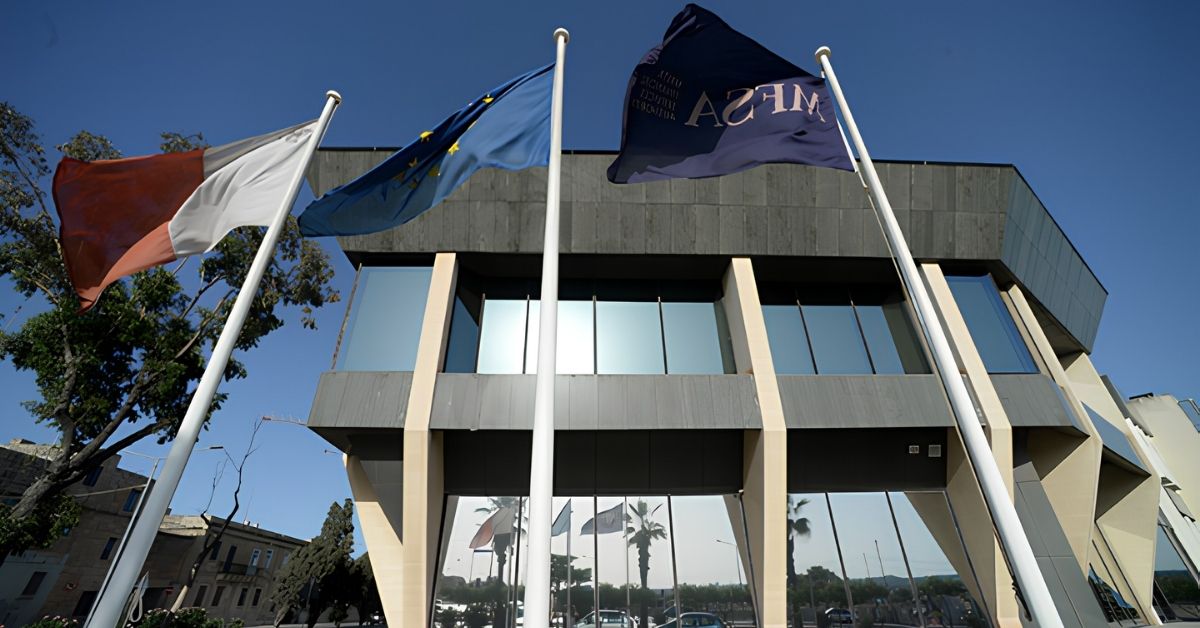
Pushy insurance salesmen exposed in MFSA mystery shopping exercise
The exercise involved 17 mystery shopping interactions and covered insurance intermediaries
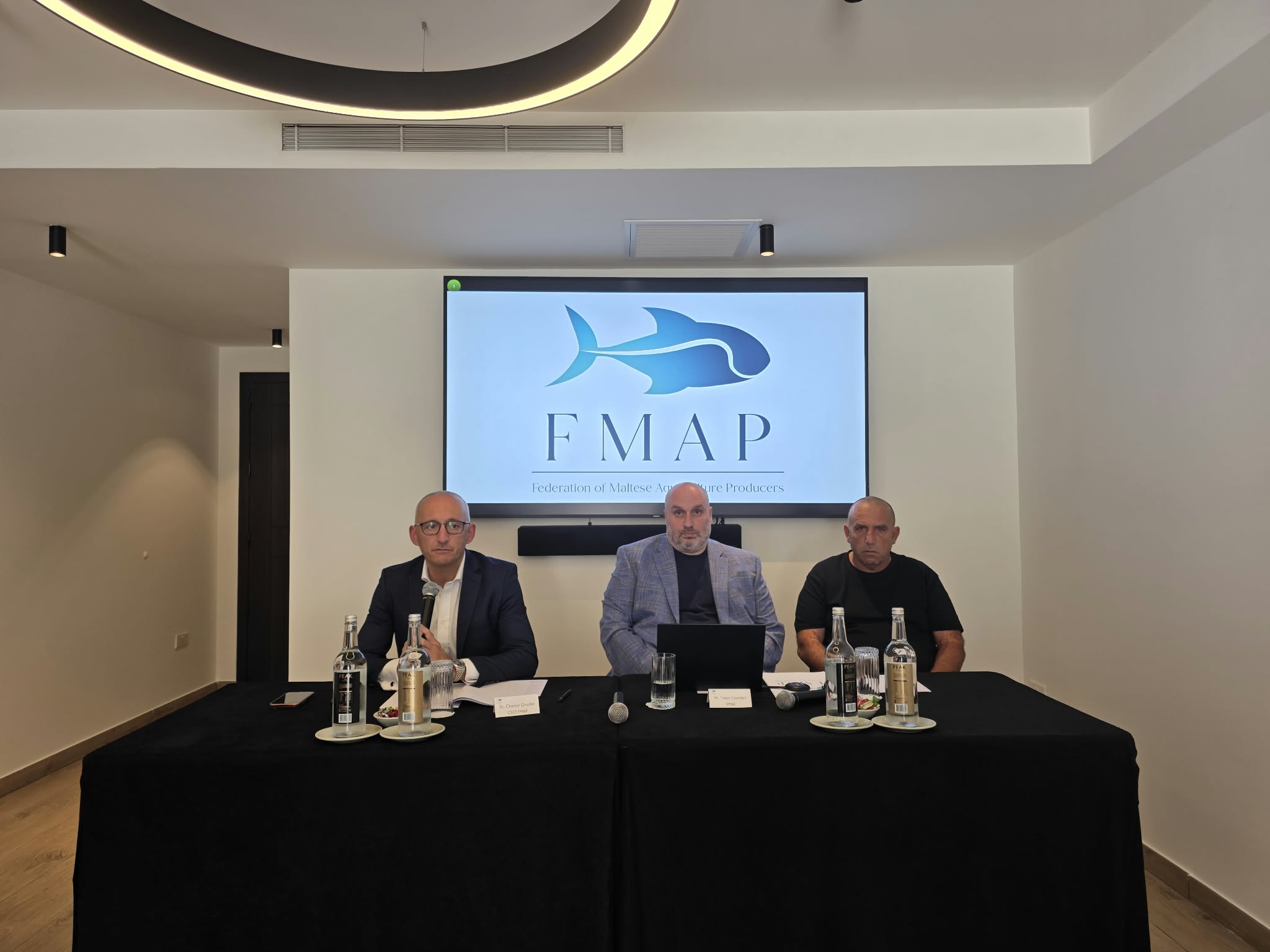
Aquaculture federation CEO hails cleanup campaign a success as 25,500 litres of oily liquid collected
Charlon Gouder said the industry had registered a notable improvement in coastal water conditions this summer