


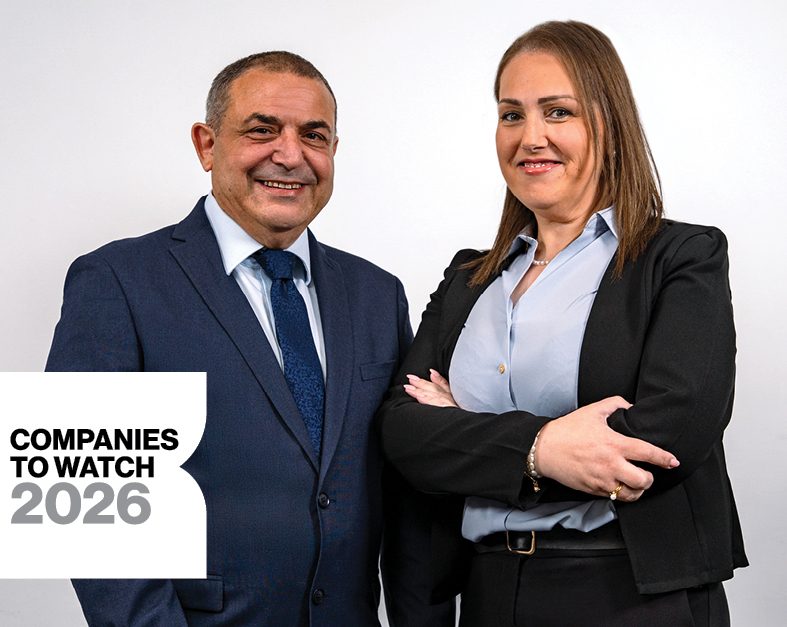
As Malta’s healthcare landscape evolves, the demand for holistic, patient-centric home care has never been higher. Recognising this, two established powerhouses have joined forces: the recent integration of medical equipment supplier Sidroc into the IDEA Group – the mother company of IDEA Care – marks a significant milestone in Malta’s medical and caregiving industries.
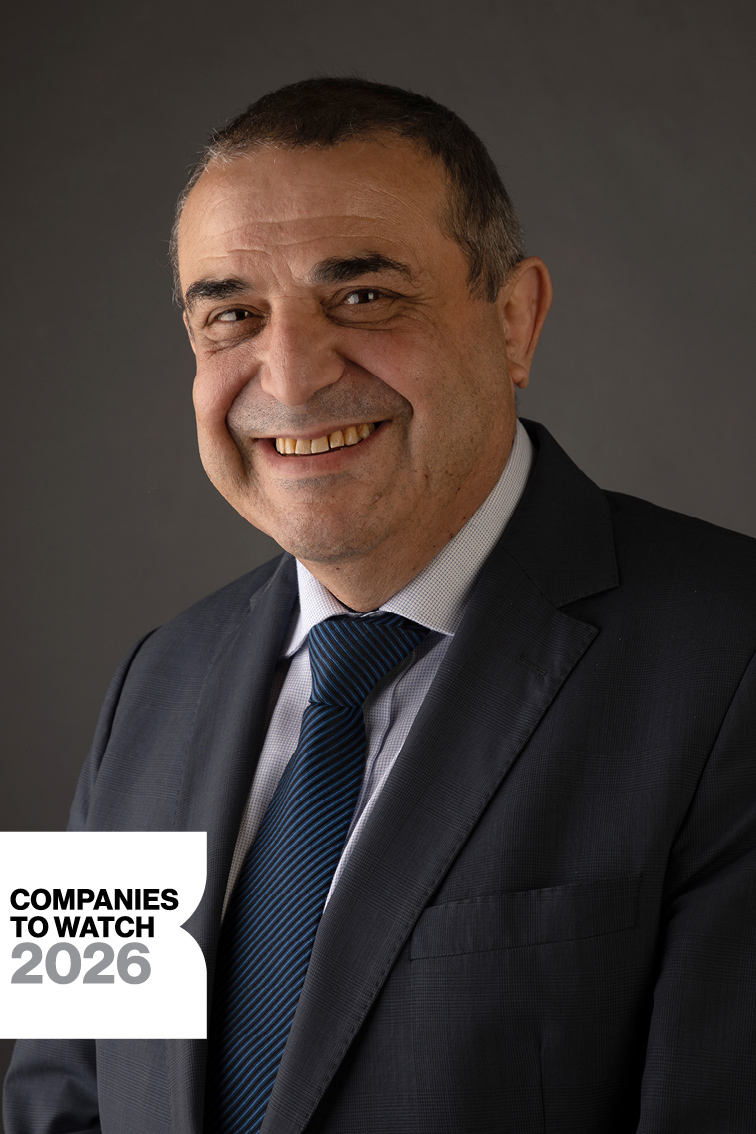
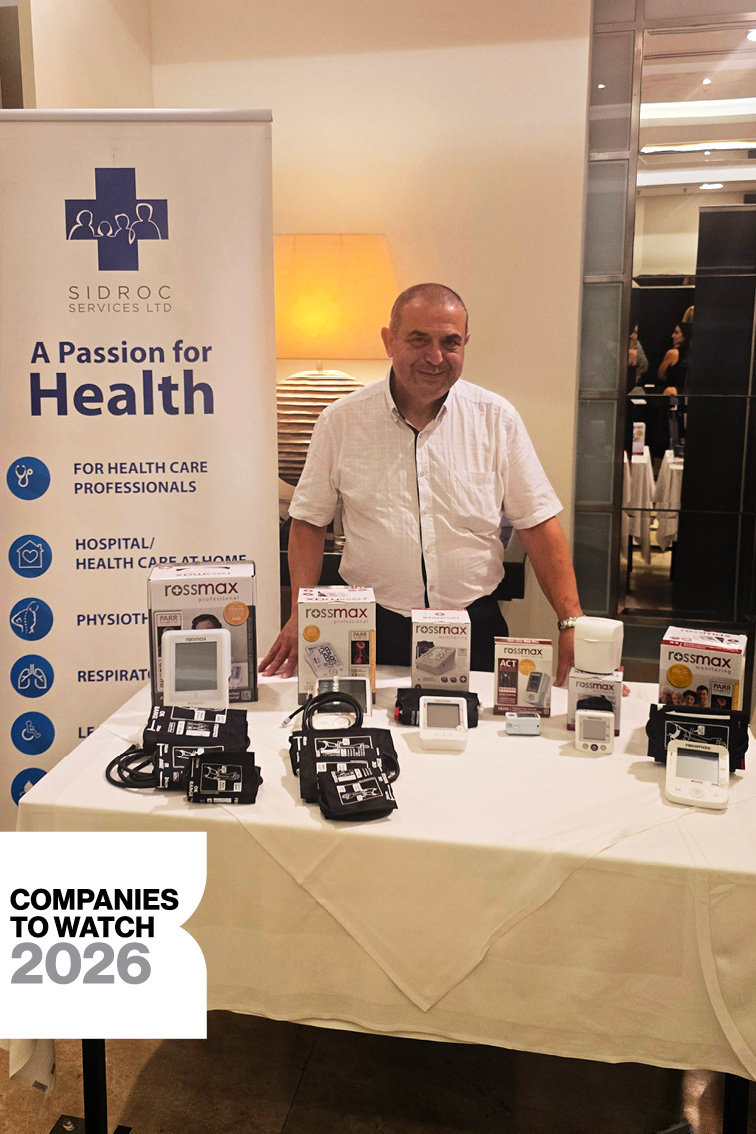
For Sidroc, the journey began nearly 30 years ago in 1995. Initially focused on catering to hospitals, the business naturally branched into home care as market needs shifted. “People want to stay at home as much as possible, not end up in an institution,” George Bonello, Director of Sidroc, explains, noting how he and his wife, Josephine, spearheaded this pivot. As the business grew, the need for a strategic partner became apparent.
Enter IDEA Group, an organisation with over two decades of experience spanning education, consulting, and care. For both entities, the synergy was undeniable from the first meeting.
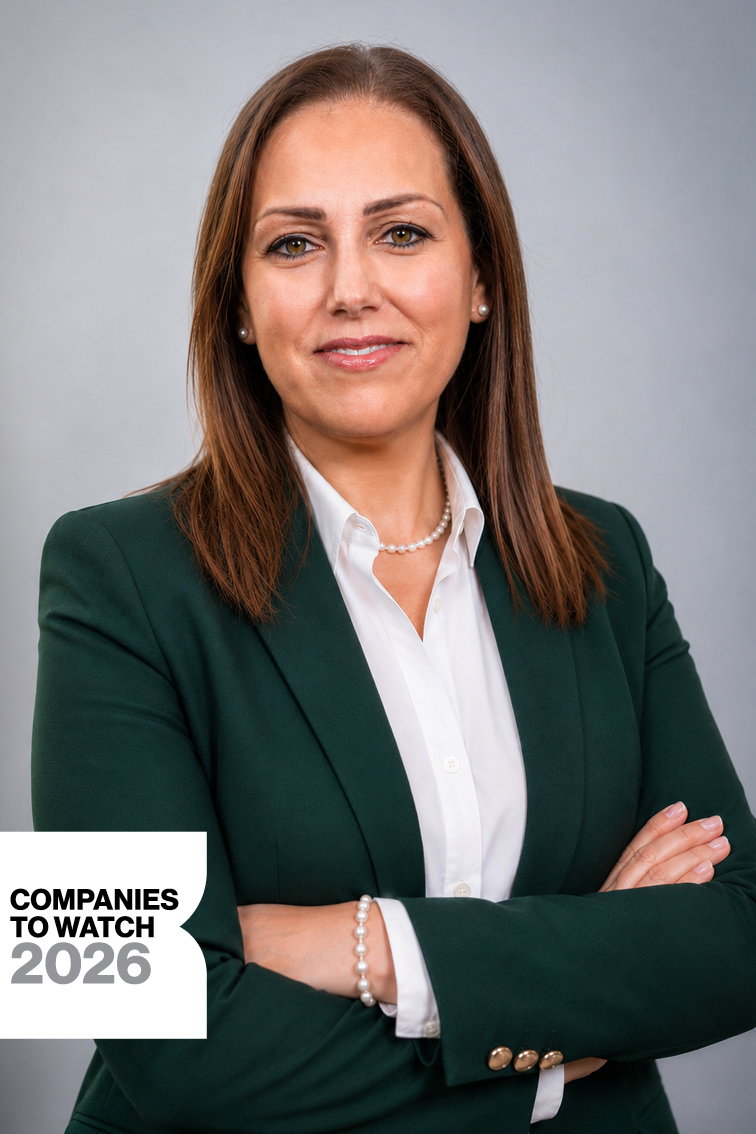
For Daniela Darmanin, Director of IDEA Care, the alignment was rooted in a shared ethos. With a background as a social worker—complementing George’s background as a nurse—the two bring over half a century of combined expertise in working with vulnerable demographics.
“When I met George and his team, I found the exact same passion that we have,” Daniela recalls. “We are as passionate about supporting people and providing them with what they need at the right moment in their life. We understand that our services need to be timely; these people cannot wait.”
Navigating the healthcare system, particularly after a traumatic medical event or prolonged hospital stay, can be a labyrinthine process for families, but this new joint model promises a ‘seamless journey of support’ by providing a single point of reference.
Daniela paints a vivid picture of this integrated standard. “Our vision is not just handing out a service we think is appropriate. We need to get to know the person, and together with them – not on their behalf – we come up with a care plan so that our services are tailor-made. Not everything fits everyone.”
A core component of this is returning a sense of dignity and autonomy to their clients. George highlights how combining high-tech medical solutions with at-home care empowers individuals on a daily basis.
“Experiencing a sudden change in what you can do independently can be very difficult,” George explains. “The right care, support and equipment can help people retain as much choice, control and independence as possible – whether that means showering more comfortably, repositioning themselves or getting out of bed safely. These may seem like small steps, but they can make a meaningful difference to a person’s dignity, confidence and overall wellbeing.”
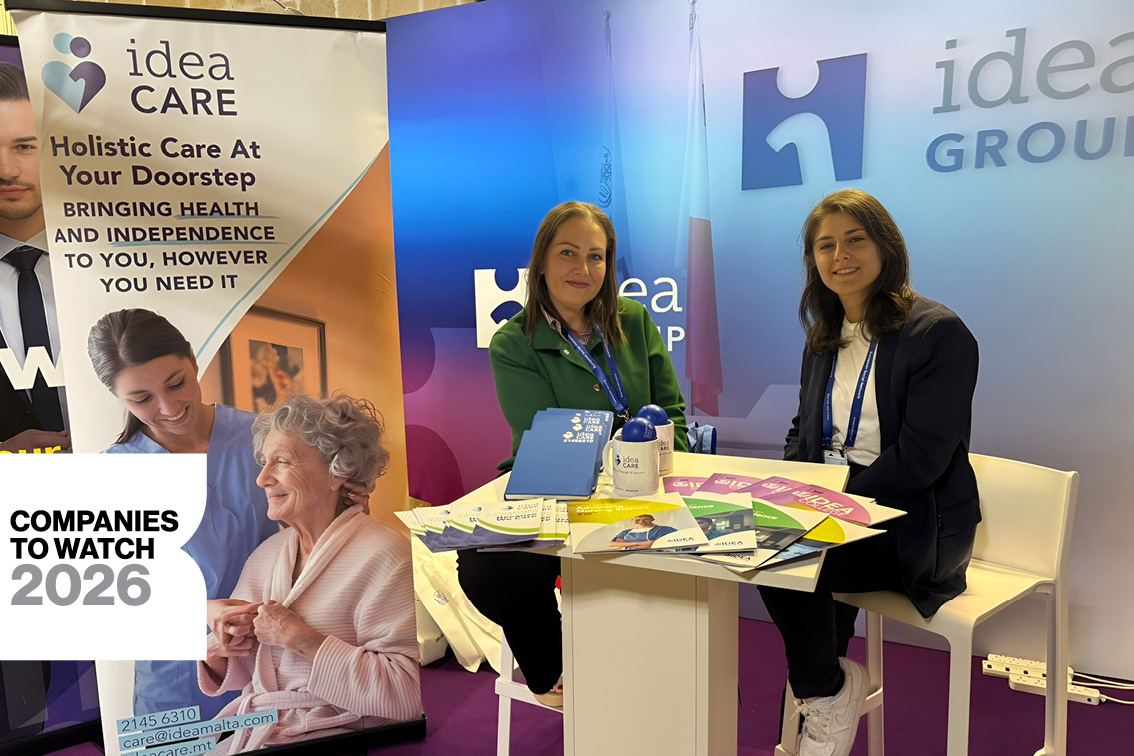
This empowerment extends to the caregivers themselves, offering them a much-needed respite. “Most of the time, relatives are so overwhelmed with being a caregiver that they lose out on the role of being a husband, a wife, or a daughter,” Daniela adds. “Caregiving allows them the space to stop being the unofficial caregiver, so they can actually have the time to sit down with their loved one and enjoy their company.”
Soon, both companies will operate from the same premises. Beyond the obvious logistical advantages, this physical proximity is set to further foster a culture of collaboration. “Our services need to be timely. If a person has a query about equipment, we can just go to Sidroc across the office,” Daniela explains. “Sharing this space is a golden opportunity to merge further and provide one holistic service.”
Certainly, bringing two distinct corporate cultures together requires aligned leadership, but both directors insist that mutual respect is the anchor of their success. “We respect each other’s area of expertise. We are dealing with the same client group, but we bring very different things to the table,” says Daniela. George echoes this sentiment: “It’s a synergy where the client benefits at the end of the day.”
Looking ahead, the integration of AI and smart devices is a major focus for the newly unified group. “AI is coming in, even in medical equipment,” reveals George. “You don't have to think very big. Simple gadgets, like a smartwatch, can give a son or daughter at work the peace of mind of knowing if their parent has had a fall, or if they have Alzheimer's or dementia and have wandered, it tells you exactly where they are to the metre.”
He also highlights the introduction of automated pill dispensers that open on a timer, safeguarding against missed or doubled medication. Daniela is equally enthusiastic about the intersection of technology and care. “We're working on a number of projects which are basically non-existent in Malta. It's amazing to watch how technology and AI can support families, children, and elderly people, allowing them to become even more independent.”
This interview forms part of the Companies to Watch in 2025, a business serialisation of BusinessNow.mt, Malta’s fastest-growing, cutting-edge business news portal, aimed at companies achieving their goals, marking important milestones, or planning to announce major business news.
Want to know more? Please drop us a line at info@BusinessNow.mt


How Lidion Bank is taking compliance beyond the checkbox
Kylie Vassallo shares how Lidion Bank is making compliance a catalyst for smarter, more strategic business decisions
Companies to Watch: How Veracloud is redefining IT excellence from Malta
Fresh from being crowned the 2025 Microsoft Malta Partner of the Year, Co-Founder John Ellul discusses the future.
Sabi and Kora bring two unique concepts to the DoubleTree by Hilton Malta
From barefoot luxury to family fun, Director of Operations Sandro Deguara details the distinctive energy behind each venue