


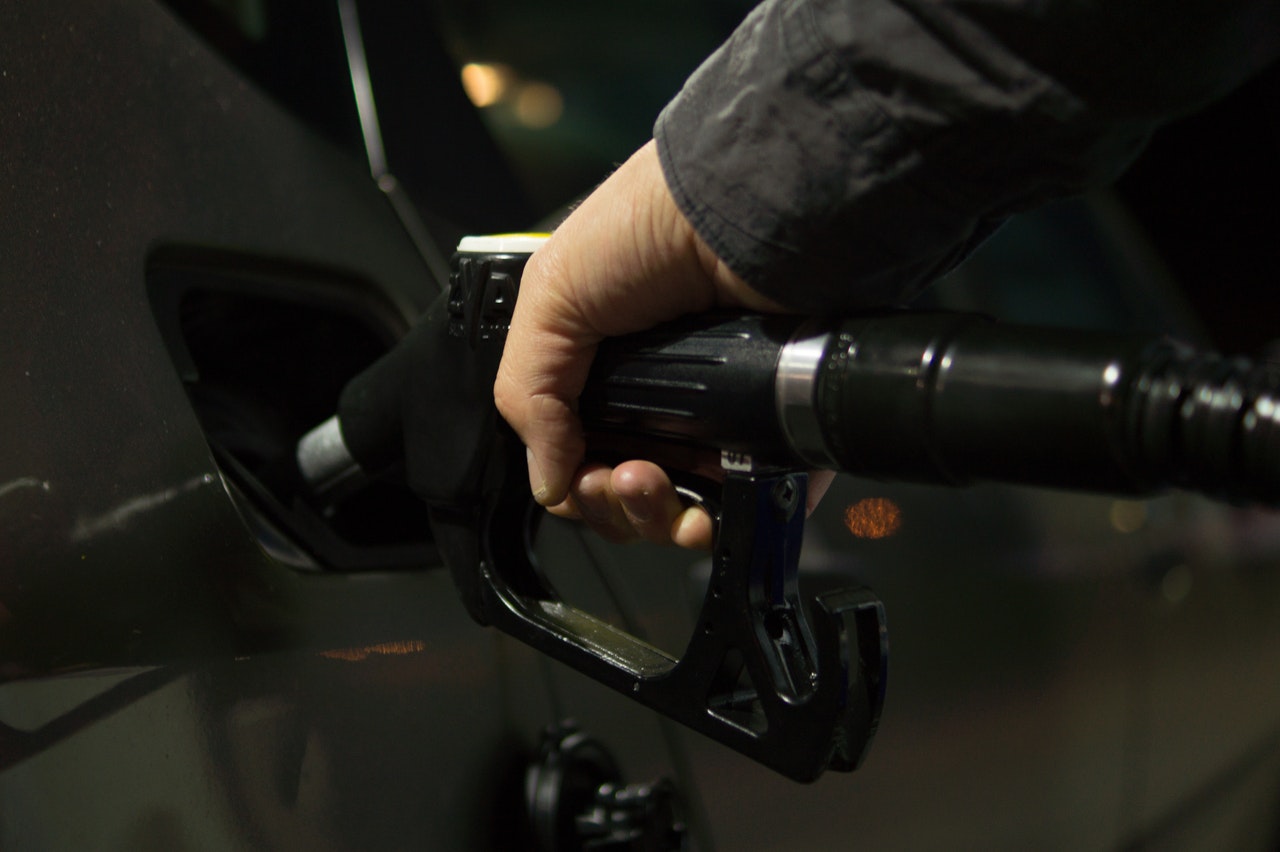
Rising fuel prices have hit an unwanted milestone in the UK, with the cost to fill up an average car reaching £100 (€117), based on a fuel tank size of 55 litres.
The average price of a litre of petrol from UK pumps reached a record 182.3p (€2.13) on Wednesday, taking the average cost of filling a 55-litre family car to £100.27 (€117.21). Diesel meanwhile hit 188.05p (€2.20) per litre, with a complete diesel fill-up now costing £103.43 (€120.90).
A spokesperson for Royal Automobile Club (RAC), which provides road assistance among other services, describes the occasion of petrol crossing “the thoroughly depressing threshold” of £100 a tank as “a truly dark day”.
However, drivers in the UK can expect further increases, with the Petrol Retailers Association (PRA) warning that it could hit an average £2 (€2.34) per litre of petrol.
The price of unleaded petrol in Malta currently stands at €1.34. It is being supported by Government subsidies aimed at protecting the local post-pandemic recovery.
The UK Government similarly took action against the increase in prices earlier this year, cutting fuel duty by 5p/litre in March. However, since then, wholesale petrol costs have increased by five time that amount, dwarfing the intervention.
The RAC urged the Government to take further action through another reduction in the duty or in VAT, saying this “would go a long way towards helping drivers, especially those on lower incomes who have no choice other than to drive.”
Retailers have blamed rising wholesale prices, although they have also been accused of not passing on the 5p cut in fuel duty introduced in March. However, they hit back, saying that oil refineries were to blame for not passing on a drop in the price of crude oil.
The RPA in fact took to Twitter to point out that retailer margins are very low, only making up two per cent of the retail price.
Prices at the pumps are again reaching new highs, and we are fast approaching a litre of fuel hitting £2 ⛽️
— The RAC (@TheRAC_UK) June 8, 2022
If you've ever wondered what makes up the cost of a litre of petrol, here's the latest data 👇#FuelPrices #RACFuelWatch pic.twitter.com/ZUksudeAyB
A fall in the value of the pound against the dollar has also increased the cost of buying fuel wholesale for retailers.
The increase in the price of fuel is expected to contribute to further inflationary pressures amidst a lackluster recovery, with the UK forecast to achieve the lowest growth among all G7 economies.


The Malta Chamber to host IBM Technology Day Malta
The event will explore how AI and digital innovation are reshaping Maltese business

FACT Group and Beacon Finance announce merger
The merger will create an expanded professional services platform

melita.io launches eSIM solution to support global IoT deployments
melita.io currently provides connectivity across more than 185 countries and over 300 networks