

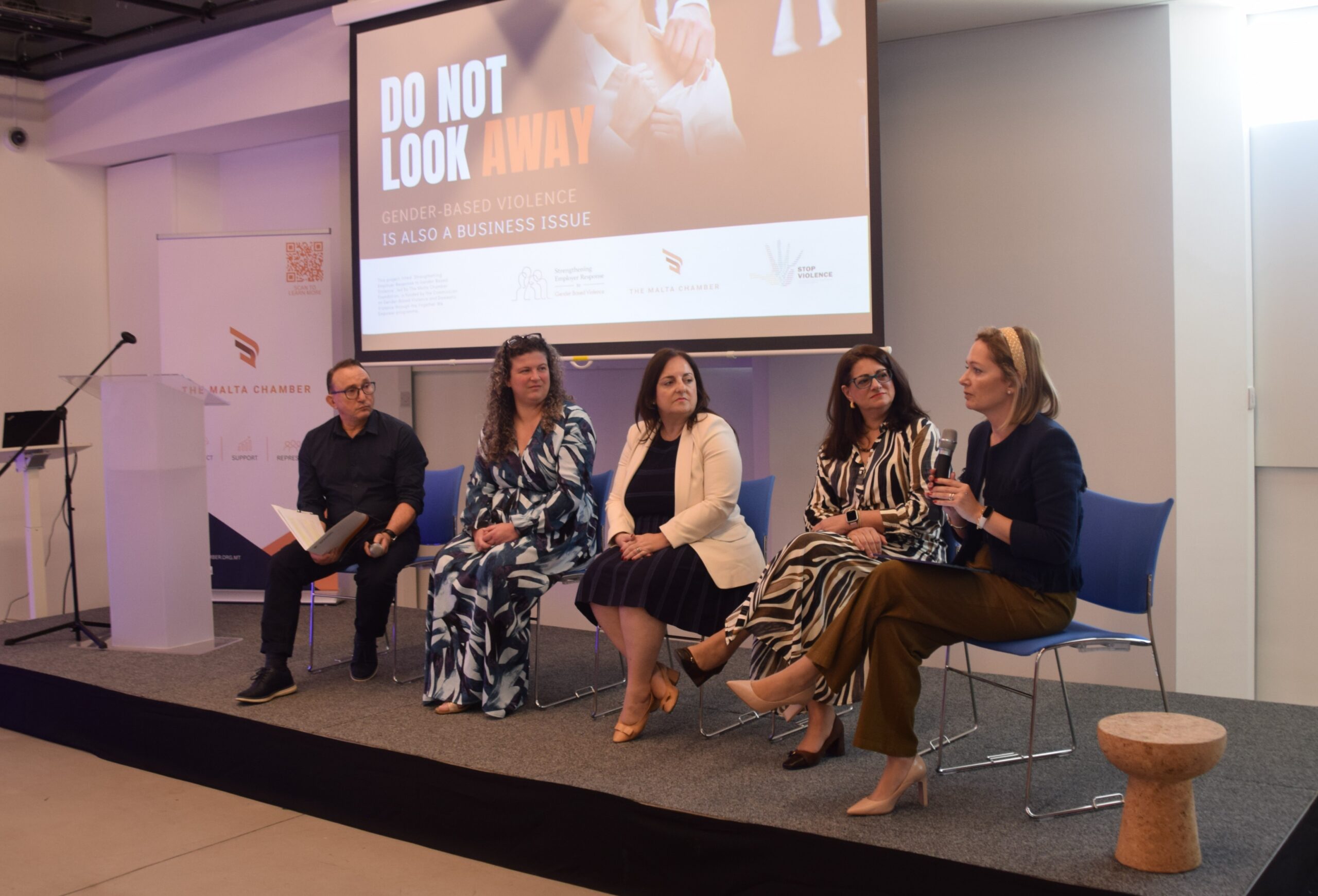
Creating a safe environment for employees to speak up about abuse or harassment was a main point which emerged during a conference titled: “Do not look away- gender-based violence is also a business issue,” organised by the Malta Chamber of Commerce.
The conference underlined the legal responsibilities that employers have, the importance of listening to employees without judgement, and the importance of managers being trained on dealing with such issues.
Equality Minister Rosianne Cutajar, addressing the conference, said that gender based violence is often treated as something that happens behind closed doors, something private, rather than something which happens at the workplace. “But victims don’t leave their experiences at the front door. Those experiencing abuse, stalking for instance, may bring that fear with them to the workplace,” she said, referring to victims facing such issues in their personal life. “In some cases, the workplace might be the one place they feel safe.”
Here, she highlighted that gender-based violence is not solely an issue for the Government or specialised support services to handle, and mentioned that employers also have a role to play because they can create a workspace where people feel confident enough to speak up.
Rachel Bondi Attard, Head of Media and Communications Strategist at the Malta Chamber, highlighted the issue of violence at the workplace itself. “When an employee is harassed by a manager, who fears coming to work the next morning? When someone finds the courage to speak up, who worries about losing their job, their promotion, or their reputation? Too often, it is the person who has done nothing wrong. And that must change,” she said.
“Gender-based violence is not simply a social issue. It is a leadership issue, a workplace issue, and a test of the values we claim to uphold.” She said that according to Malta's National Statistics Office, 27.1 per cent of women and 11 per cent of men who have ever worked have experienced sexual harassment at work.
“These are not just statistics. These are our colleagues, our employees, our friends. And yet, too many remain silent. We must never confuse the absence of complaints with the absence of a problem. Silence is not always evidence of safety. Sometimes, it is evidence of fear.”
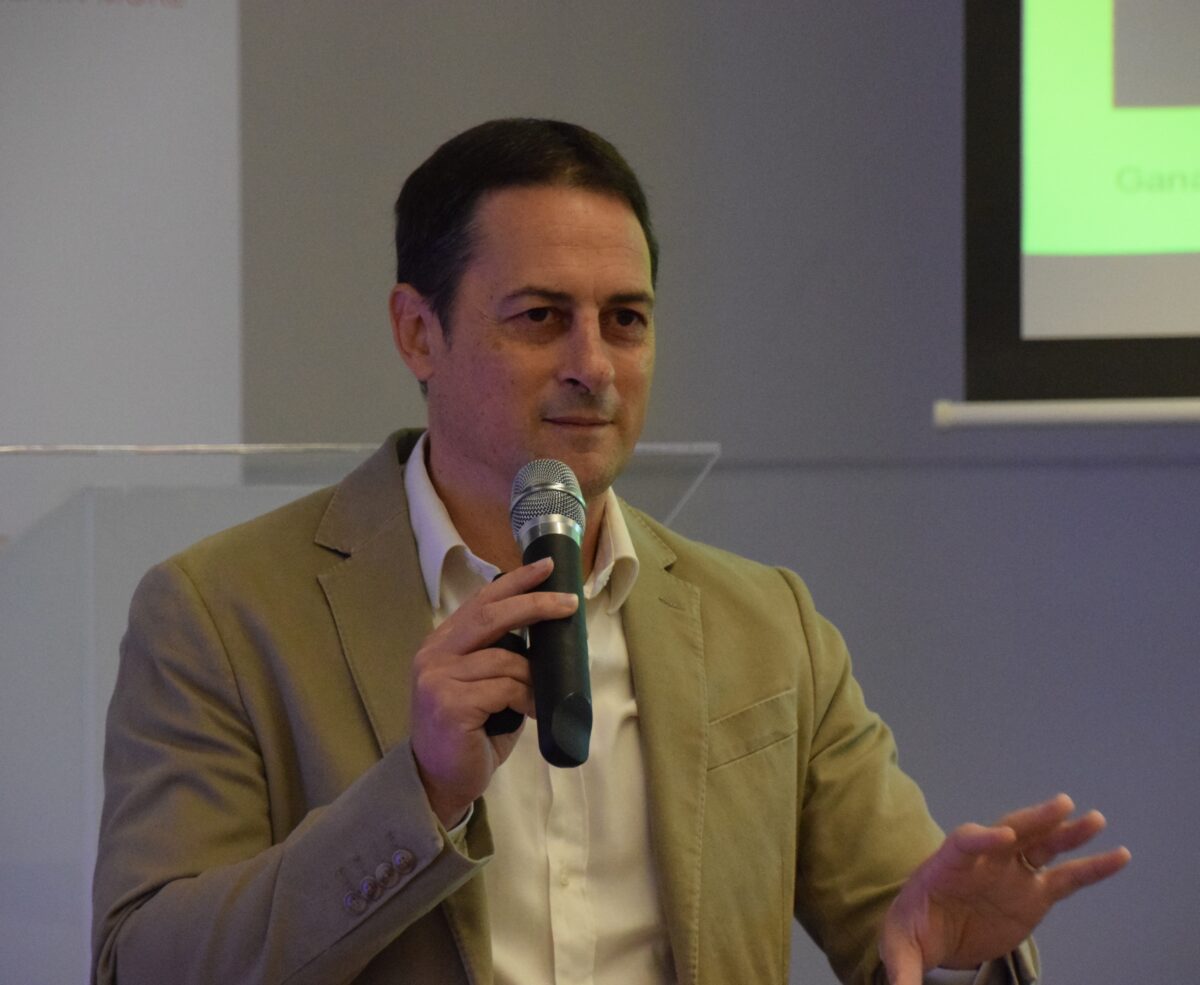
Lawyer Matthew Brincat, a partner at Ganado advocates, explained the legal responsibilities that lie with companies in ensuring a safe workspace, but also highlighted that, aside from the obvious forms of workspace harassment, it is the subtle and non-obvious forms which are trickiest to identify and deal with.
As an example, he said an executive might ask a new junior executive to come near him to see his screen in a meeting, which in itself is not wrong. But what if this keeps happening meeting after meeting, instead of just turning the screen round. What if messages with a certain undertone are constantly sent. He said that persistent behaviours can create a hostile or intimidating environment.
He mentioned a particular story where a plant manager told a new executive that the executive go jogging together, but when she turned up, he was the only one there. On another instance, he told her she had left a hair on his desk when he had been in his office, and he put it in an envelope and kept it.
These are examples of incidents that form a broad pattern of behaviour that is not appropriate, he said.
He also mentioned the responsibility companies now also have during workplace events, and on company trips abroad. He noted that employers must not create a permissive environment which allows a setting where abuse can happen or be tolerated.
He said that legislation is reflecting the need for employers to take a more proactive approach.
He also said that human resource professionals need to strengthen their understanding of human behaviour to identify concerning patterns and act appropriately.
Regarding workplace bullying, he noted the importance of having effective reporting mechanisms which employees are aware of, training managers, and remembering that employees are human.
Regarding violence at the workplace, Assistant Police Commissioner Louise Calleja highlighted the importance of companies preserving evidence, especially if a report reaches the police. “Very often organisations have information that nobody may realise could become important later,” she said, mentioning CCTV footage as an example.
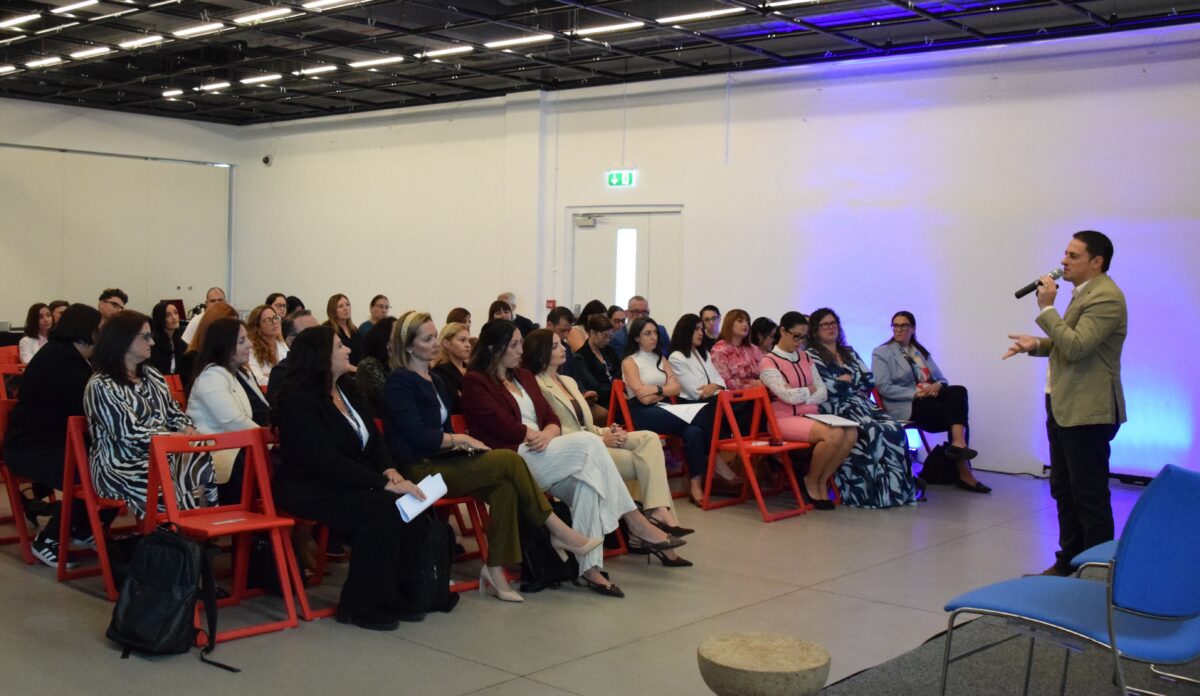
She also highlighted that violence is changing, as technology changes. “But the responsibility to recognise, respond appropriately and protect people remains exactly the same.” She said that employers can play a critical role in ensuring that someone feels heard, supported and safe.
A panel discussion with Sharon Attard De Giovanni from Victim Support Malta, Founder and HR Consultant of HR TalentLead Mariella Galea, Head of People and Culture at Lufthansa Technik Malta Ramona Galea, and Founder and Director of PsyPotential Ltd Patrick Psaila, also took place.
Mr Psaila highlighted the importance of managers being trauma informed, in the sense of being trained to look out for certain indicators that can be linked to trauma and understanding the impact that trauma can have on an individual.
Ms Attard highlighted that there is no profile of what a victim could look like, while Ms Ramona Galea spoke of the importance of ensuring employees feel safe reporting harassment or violence they face. Ms Mariella Galea spoke of the need for companies to have zero tolerance for abuse.
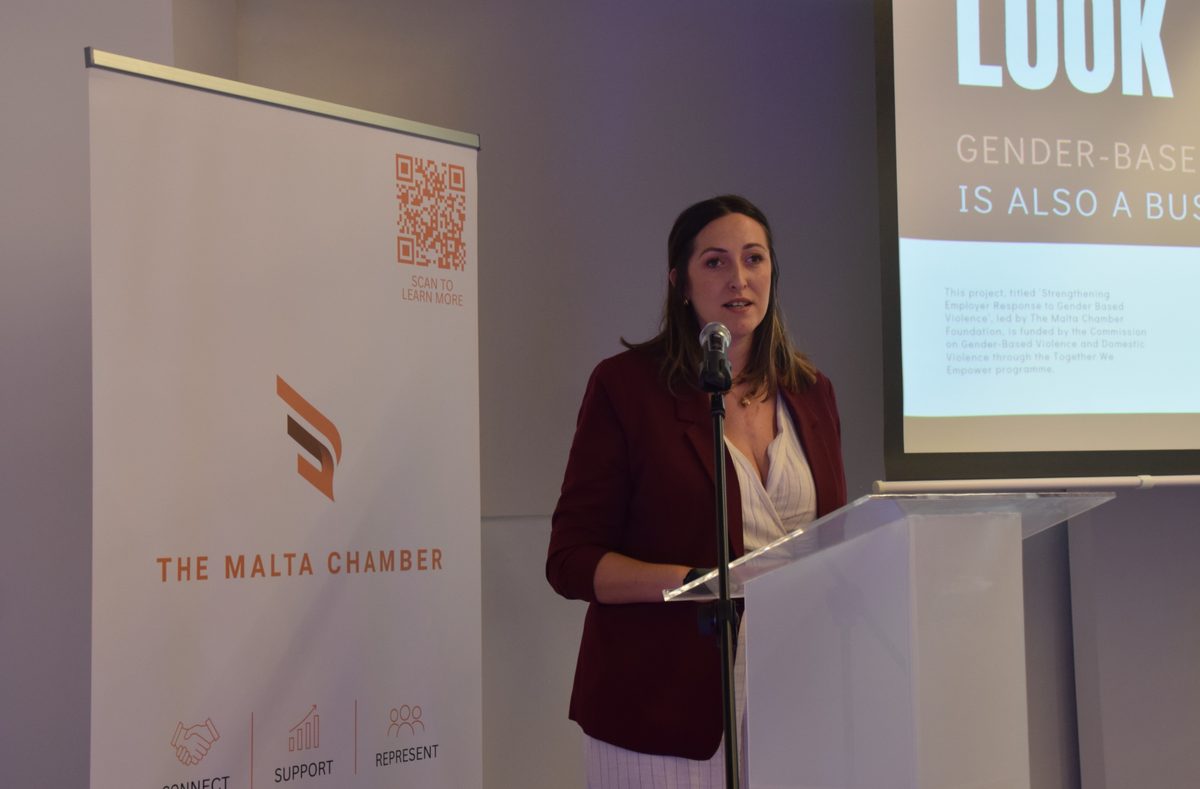
Panellists agreed that employers don't look away from abuse, but are unsure of how to deal with it, Ramona Galea and Mariella Galea agreed.
Samantha Pace Gasan, the Commissioner for Gender-Based Violence and Domestic Violence, said that if a victim doesn’t feel comfortable disclosing the name of a perpetrator, then that can identify that an organisation has become an environment allowing such behaviour, and to counter that information sessions can be organised, and training provided to management.
She also noted that Aġenzija Appoġġ has a treatment programme for perpetrators which can be both voluntary, or court ordered.
The Commissioner spoke about education, and noted that bullying and harassment in schools has transcended through technology, where now there can be constant messaging, image sharing, deepfakes.
“If we tolerate that behaviour with students now, this will come into your organisations too,” highlighting the importance of also training educators.
Photos: Malta Chamber of Commerce
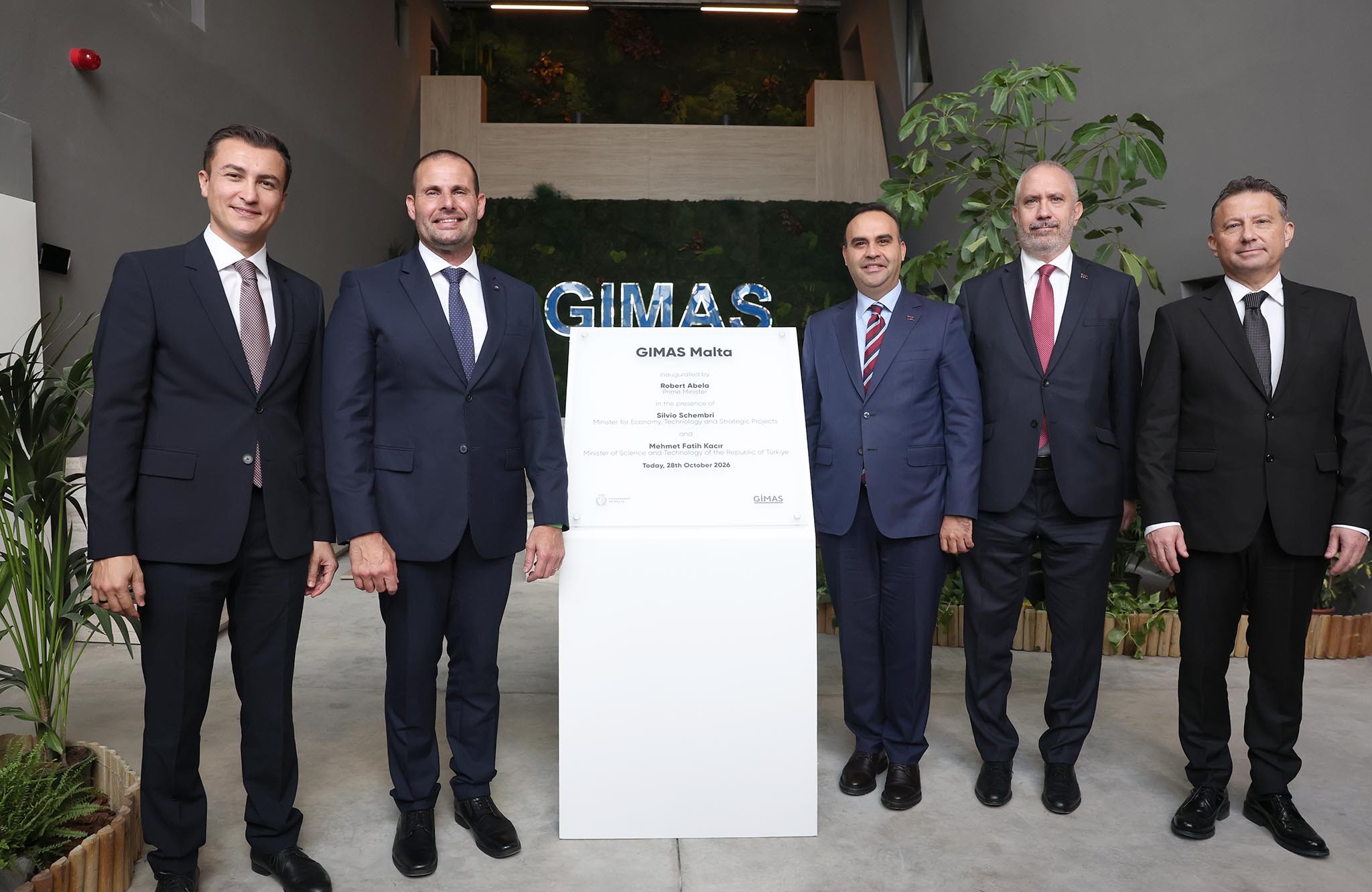
GiMAS Malta invests €10 million in sustainable energy manufacturing
Prime Minister Robert Abela said the investment reflected Malta’s economic stability and ability to attract international investors
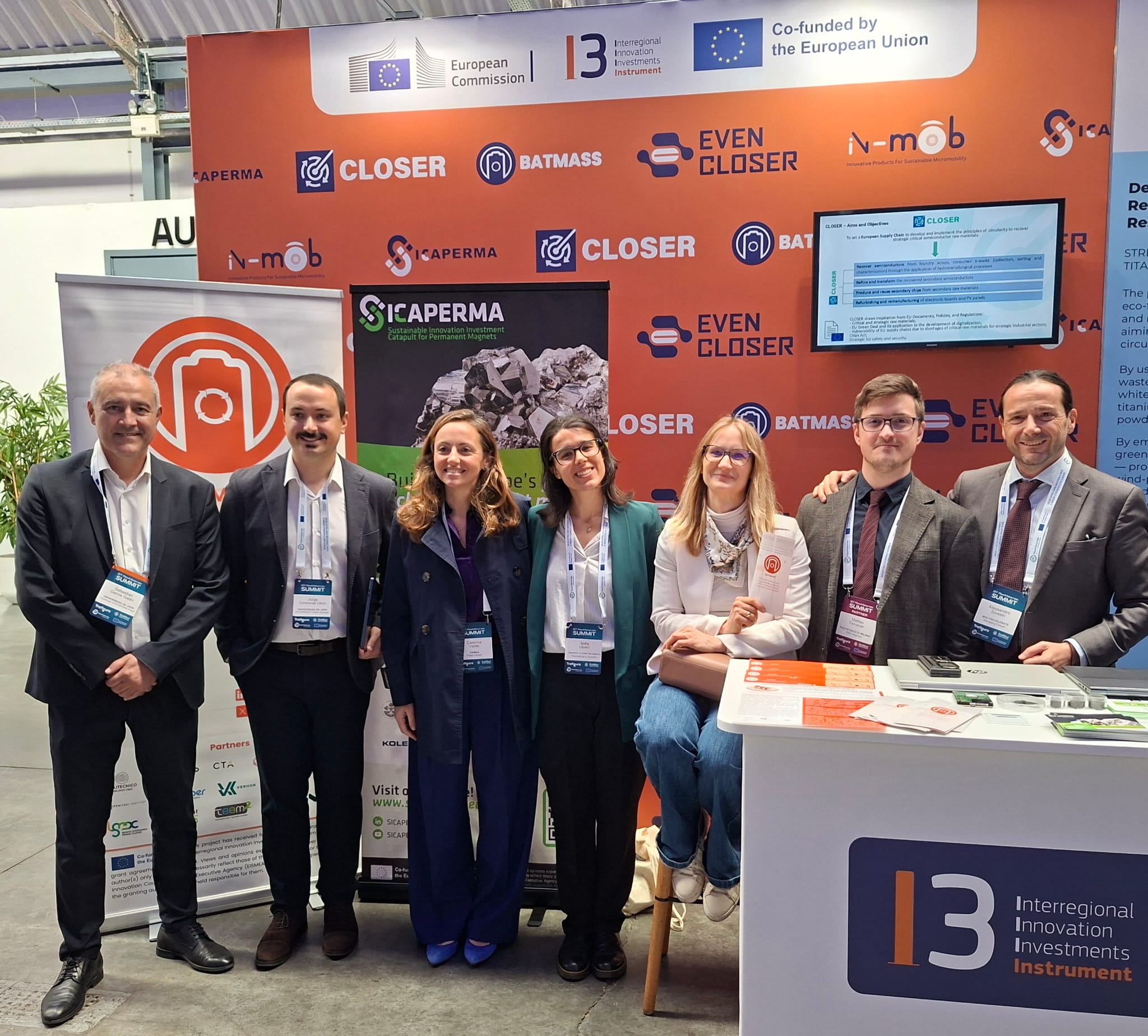
Malta to host European innovators shaping the future of circular electronics
The event will showcase technologies and investment to turn e-waste into valuable materials

Cruise passenger numbers in Malta drop 7% in third quarter of 2026
Malta recorded 647,237 cruise passengers between January and September 2026, down 6.4% year-on-year