



The European Commission presented its long-awaited proposal to revise the EU Emissions Trading System (ETS) Directive, but the Malta Business Bureau (MBB) is insisting for better safeguards for island states.
The ETS is the world’s first carbon market, launched in 2005, and remains one of the largest globally. It requires polluters to pay for their greenhouse gas (GHG) emissions, bringing overall EU emissions down while generating revenue to finance the clean transition. However, there have been issues raised with how it is carried out, including by representatives from Malta.
The review was tasked by European Council conclusions of 19th March 2026, with reducing the volatility of the carbon price and mitigating its impact on supply chain costs, while preserving the ETS's role in the climate transition. “It nonetheless falls short of proposing tangible measures which will reduce costs for maritime and aviation operators,” the MBB, which is the EU business advisory organisation of The Malta Chamber and the Malta Hotels and Restaurants Association, said.
The Malta Business Bureau (MBB) calls for the re-design of EU ETS to deliver for all Member States, especially those in the periphery. MBB said it has proposed concrete amendments to prevent disproportionate harm to Malta and other island Member States. “In line with MBB amendments, the Commission has proposed a reduction in the transhipment activity threshold from 65% to 50% providing relief for Maltese transhipment against North African ports.”
MBB’s CEO Mario Xuereb said: “MBB supports ambitious decarbonisation, but the structural realities of island states, higher transport and energy costs, limited economies of scale, and import dependence, must be reflected in the design of the EU ETS. Without targeted safeguards, the reform risks overburdening Malta with the costs of decarbonisation, without reaping any of the benefits.”
Malta, as an island Member State with no land connection to the rest of the Single Market, depends entirely on maritime and air links for the movement of goods and people. The MBB has repeatedly flagged that vessels carrying the majority of goods consumed in Malta return to the mainland more than half empty, meaning the full ETS cost is absorbed disproportionately across the round trip. “Decarbonisation measures in both sectors are far from being feasible to be implemented, and until then, Malta will be left to foot the bill,” the MBB says.
It said it has submitted concrete textual amendments to the Commission, including partial derogation from the maritime ETS surrender obligation for routes serving small islands with no fixed link to the mainland, and an equivalent free allocation for aviation to and from island airports of less than 10,000 km².
“MBB had also proposed extending the definition of a ‘neighbouring container transhipment port’ from 300 to 1,000 nautical miles, alongside lowering the threshold from 65% to 50%, which was accepted. While the Commission did not extend the radius itself, it introduced a further anti-evasion safeguard: any port within 150 nautical miles of an EU port with adequate transhipment infrastructure, will now qualify as a ‘neighbouring transhipment port’ regardless of its transhipment share. MBB welcomes this additional layer of protection against the relocation of transhipment activity to nearby non-EU ports.”
MBB’s Brussels-based Nigel Caruana said: “This ETS review is the first real test of the Commission’s commitment to tailor policies to island realities. The measures MBB has proposed would mitigate the impact on essential connectivity while preserving the environmental integrity of the system.”
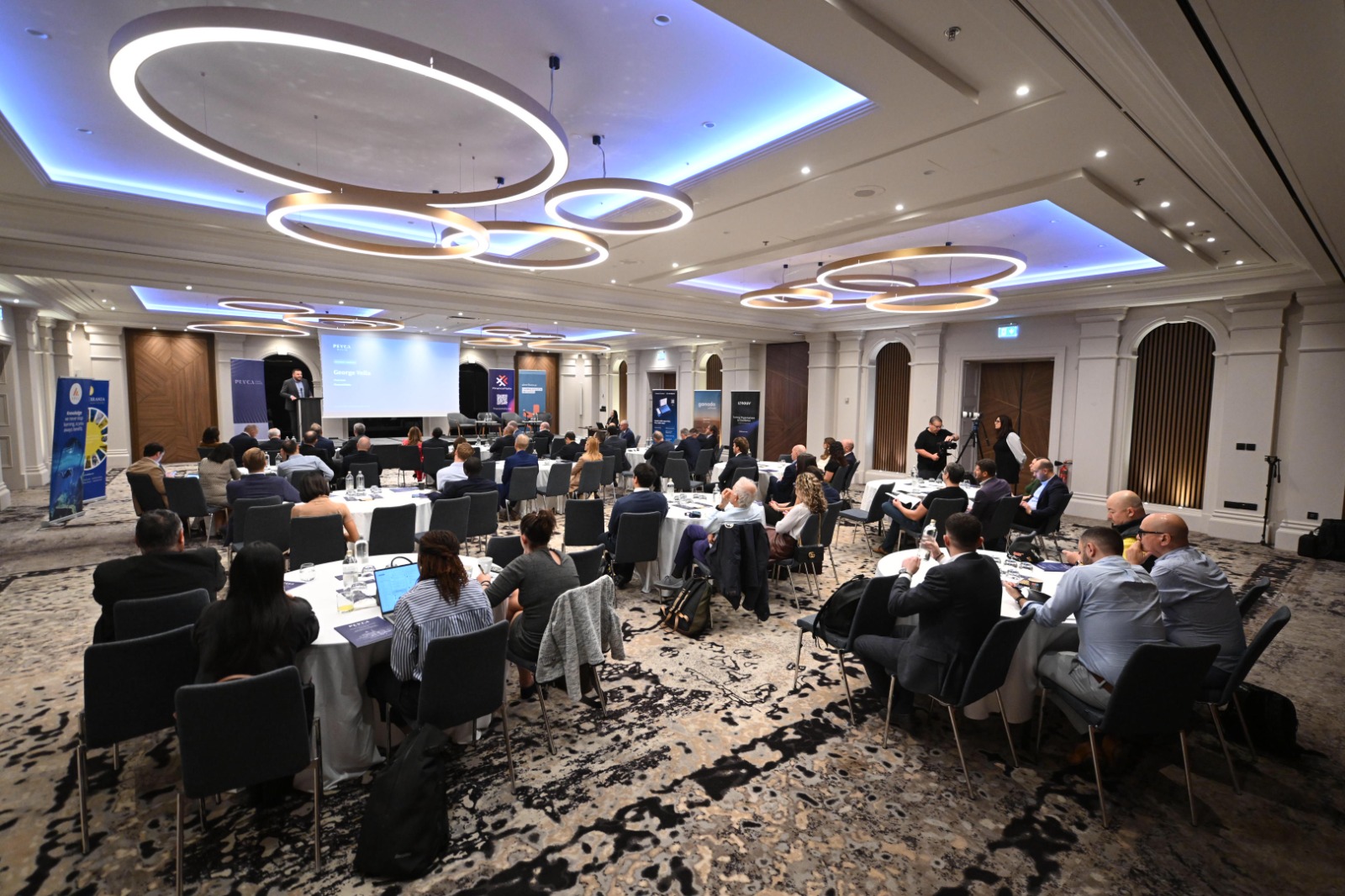
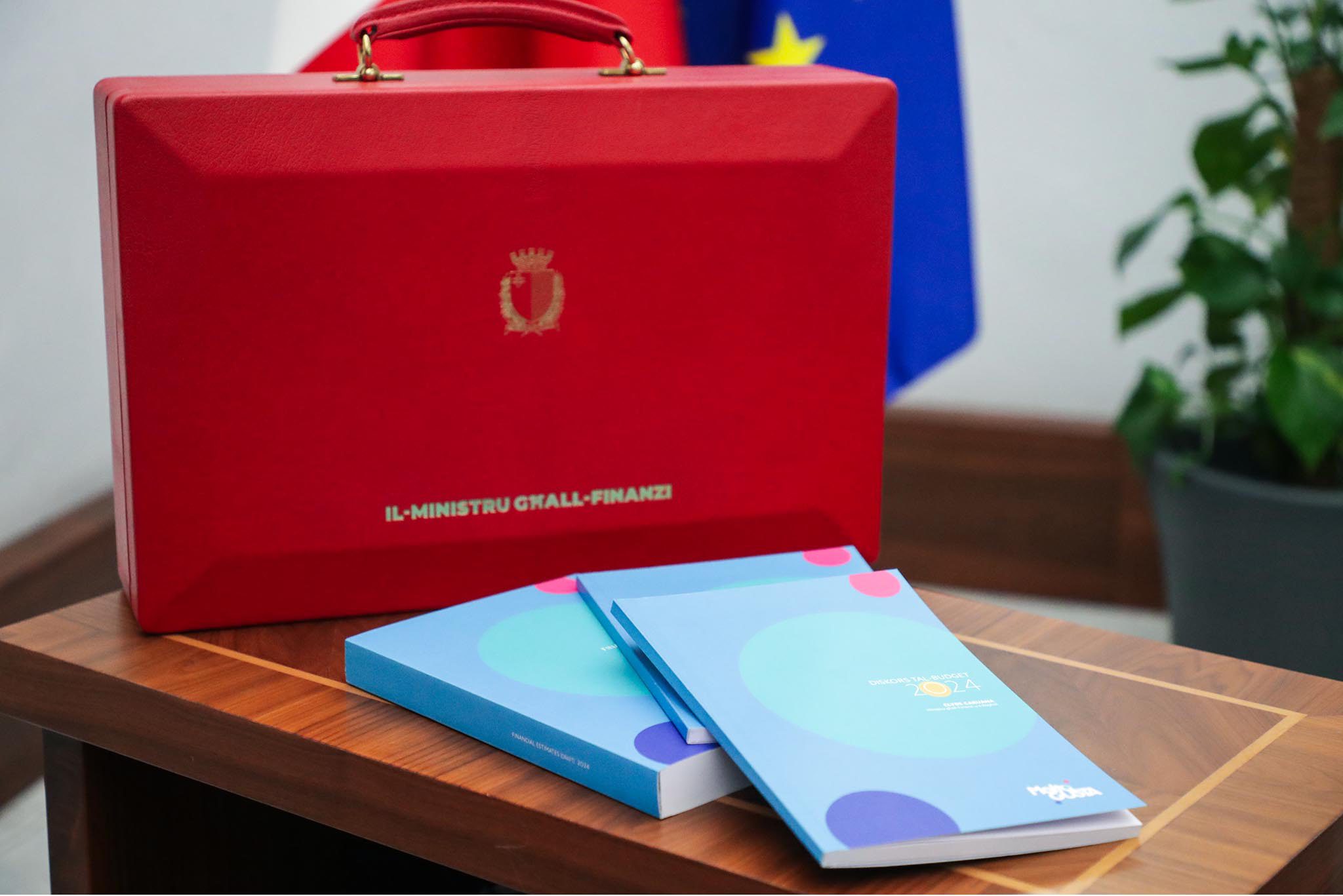
Tax cuts, AI incentives and infrastructure investment: What businesses want from Budget 2027
From corporate tax reductions and digitalisation grants to infrastructure investment and workforce development
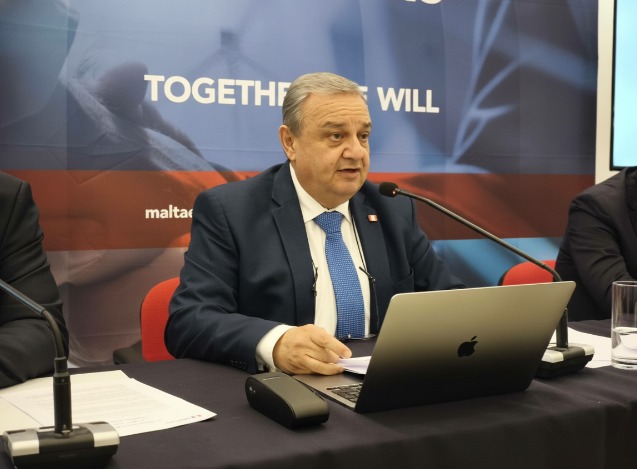
Education system ‘stifles creativity’, Malta Employers’ chief says as association calls for ‘transformation’
Association's Director General says system is geared towards conformity

MFSA flags missing information in pension statements
Some pension statements omitted key details on investments, fees, contributions and account changes