


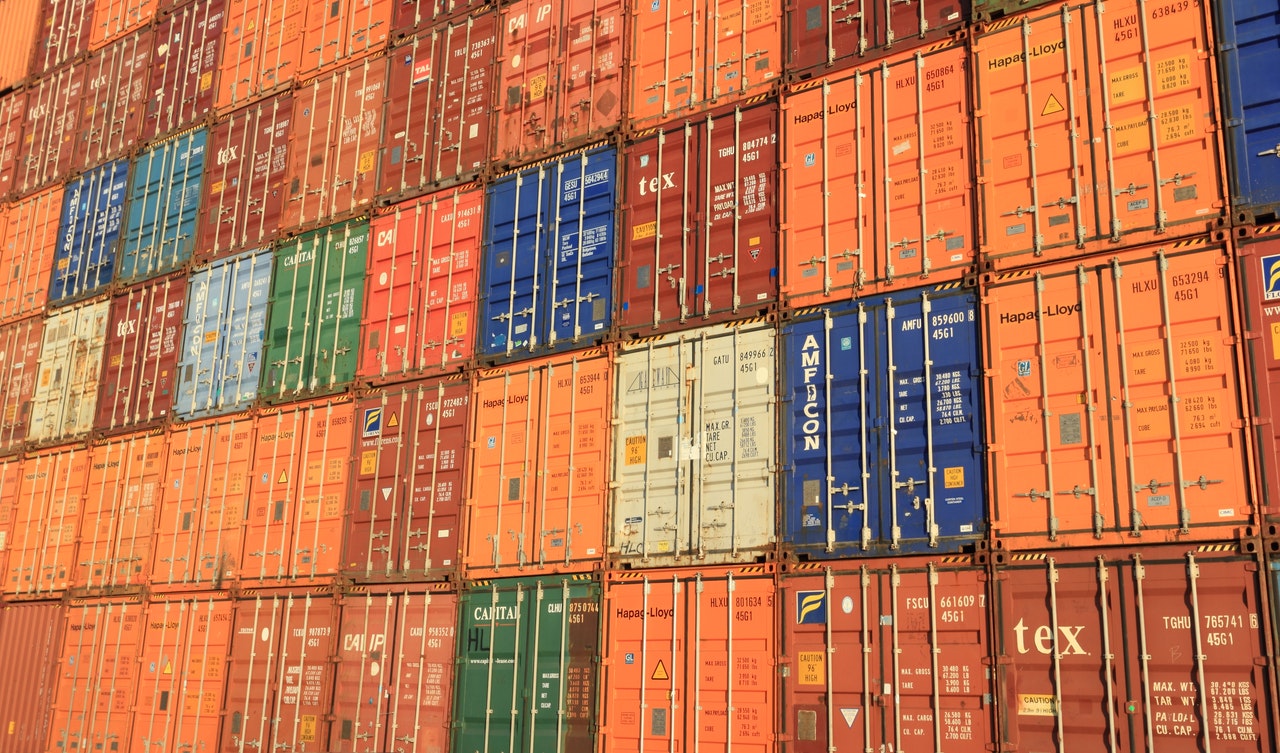
The EU is set to lift the customs duty exceptions on parcels coming from non-EU countries valued under €150.
The decision will likely mainly impact Chinese e-commerce platforms that have flooded the EU market as of late.
In 2024, an incredible 4.6 billion small parcels were imported in the EU. Around 91 per cent of that figure came from China, from platforms like Shein and Temu.
In France, Shein is also at the centre of a scandal, facing legal proceedings over the sale of child-like sex dolls on its platform.
“This is a defining moment,” European Commissioner for Trade Maroš Šefčovič said after a meeting that rectified the decision, adding that the move “sends a strong signal that Europe is serious about fair competition and defending the interests of its businesses.”
The decision to remove the exemption on small parcels is part of a broader overhaul of EU customs rules which could take time.
However, Economy Ministers may agree on a set of temporary measures to fast-track the implementation of a new tax and curb the sheer amount of incoming parcels of as 2026.
A €2 levy for small packages proposed in July by the European Commission is already being discussed by the 27 member states.
Individual member states are also introducing national measures. Italy, for exmaple, is working on a tax to defend its fashion industry from a wave of cheaper Chinese orders which national producers cannot compete with on pricing.
China has yet to react to the new measures.


Yael Foundation Names Madrid’s Ibn Gabirol a Model of Academic Excellence
Yael Foundation gave its Academic Excellence Award to Madrid's Ibn Gabirol school
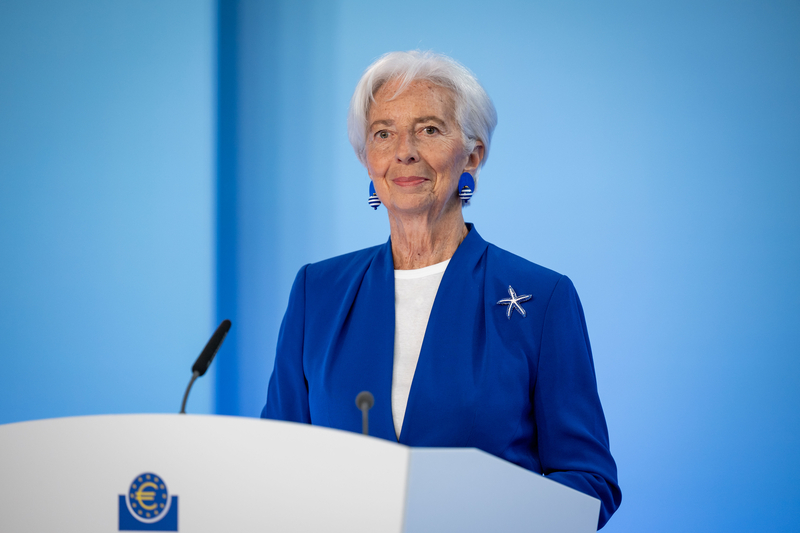
European Central Bank raises interest rates as Iran war generates inflation pressures
Eurosystem staff revised up their baseline projection for inflation in 2026 and 2027
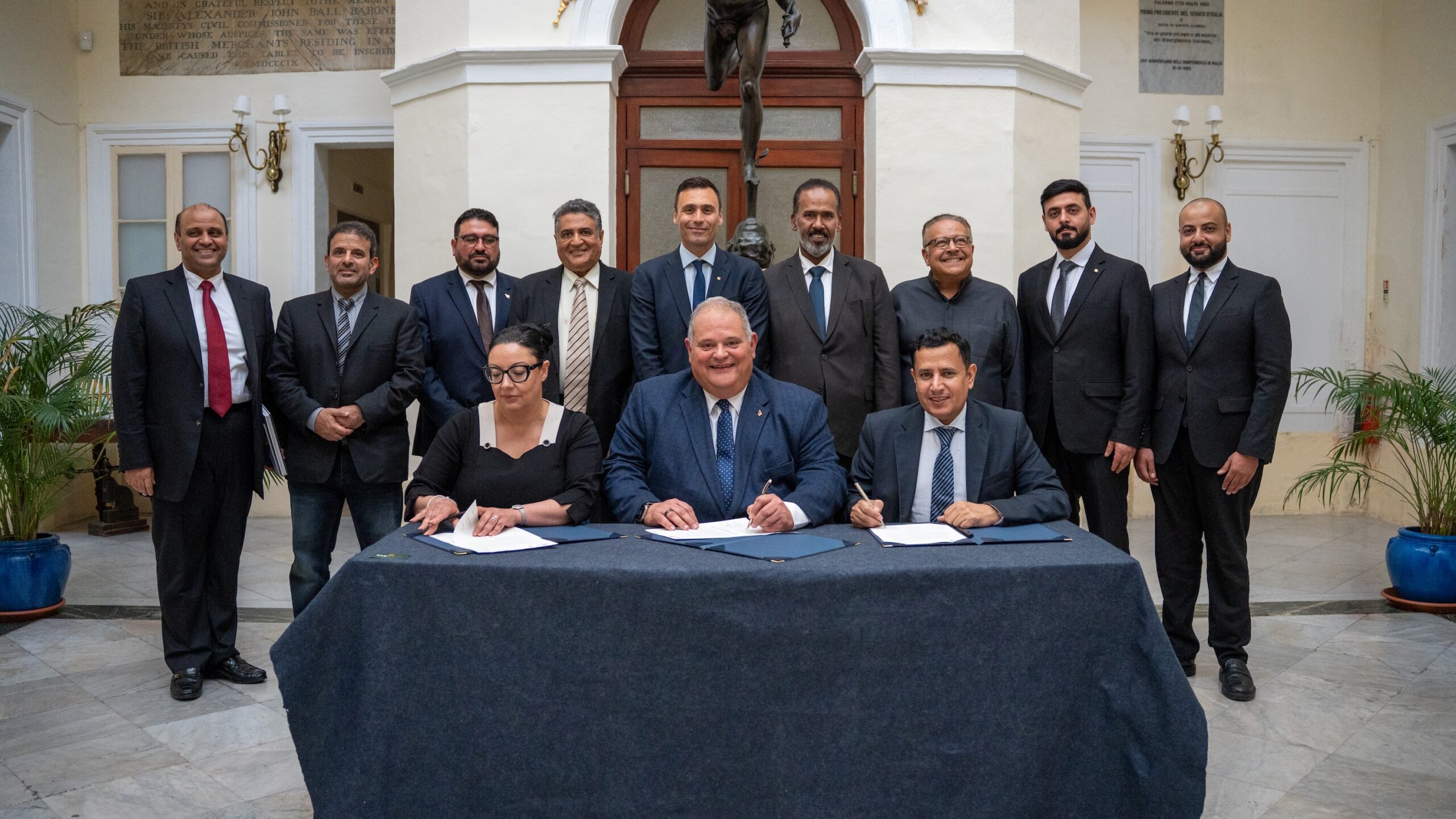
Malta and Saudi Arabia deepen commercial ties through Chamber MoU
The visit aims to support Maltese companies entering the Saudi market and a gateway for Saudi investment into Europe