


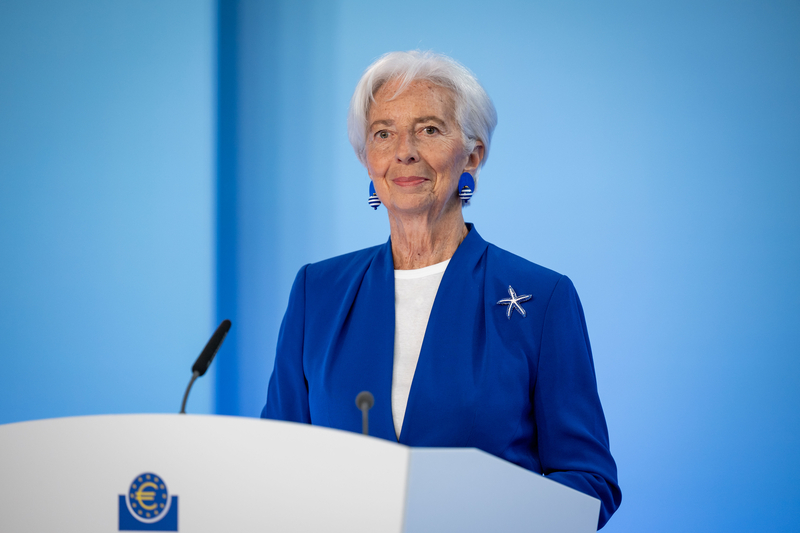
The European Central Bank’s Governing Council has decided to raise three key interest rates by 25 basis points, in what is seen to be a response to the Middle East energy shock.
“The war in the Middle East is generating inflation pressures, and the decision to raise rates is robust across a range of scenarios mapping out how the shock might evolve and affect the medium-term outlook for the euro area,” the ECB said.
In February 2026, Iran was hit with coordinated US and Israeli strikes, which in turn saw Iran retaliate by closing the Strait of Hormuz, through which 20 per cent of the world’s oil passes.
In Malta, the Government has been subsidising energy costs since the Covid-19 pandemic, and so the energy and fuel cost rates for consumers have remained unchanged.
The ECB said that its action is in line with its commitment to setting monetary policy to ensure that inflation stabilises at its 2 per cent target in the medium term.
The ECB interest rate increase means that the interest rates on the deposit facility, the main refinancing operations and the marginal lending facility will be increased to 2.25 per cent, 2.40 per cent and 2.65 per cent respectively, with effect from 17th June 2026.
The ECB said that in the baseline of new Eurosystem staff projections, headline inflation is expected to average 3 per cent in 2026, 2.3 per cent in 2027 and 2 per cent in 2028. For inflation excluding energy and food, the baseline foresees an average of 2.5 per cent in 2026 and 2027 and 2.2 per cent in 2028.
Staff revised up their baseline projection for inflation in 2026 and 2027, compared with March, “owing to a higher path for energy prices, which, to some extent, is expected to feed into food, goods and services inflation.”
The baseline, the ECB said, sees economic growth at an average of 0.8 per cent in 2026, 1.2 per cent in 2027 and 1.5 per cent in 2028. “This is a downward revision for 2026 and 2027, reflecting a more pronounced impact of the war on commodity markets, real incomes and confidence.”
But the ECB said that the outlook remains uncertain, with upside risks for inflation and downside risks for economic growth.
It said that the full implications of the war for medium-term inflation and growth will depend on the intensity and duration of the energy price shock, as well as the scale of its indirect and second-round effects.
The ECB said that with today’s decision, the Governing Council remains “well positioned” to navigate the uncertainty caused by the war.
The council, the ECB said, will closely monitor the situation and will follow a data-dependent and “meeting-by-meeting approach” to determining the appropriate monetary policy stance.
“In particular, the Governing Council’s interest rate decisions will be based on its assessment of the inflation outlook and the risks surrounding it, in light of the incoming economic and financial data, as well as the dynamics of underlying inflation and the strength of monetary policy transmission. The Governing Council is not pre-committing to a particular rate path.”
Cover image: ECB


Yael Foundation Names Madrid’s Ibn Gabirol a Model of Academic Excellence
Yael Foundation gave its Academic Excellence Award to Madrid's Ibn Gabirol school
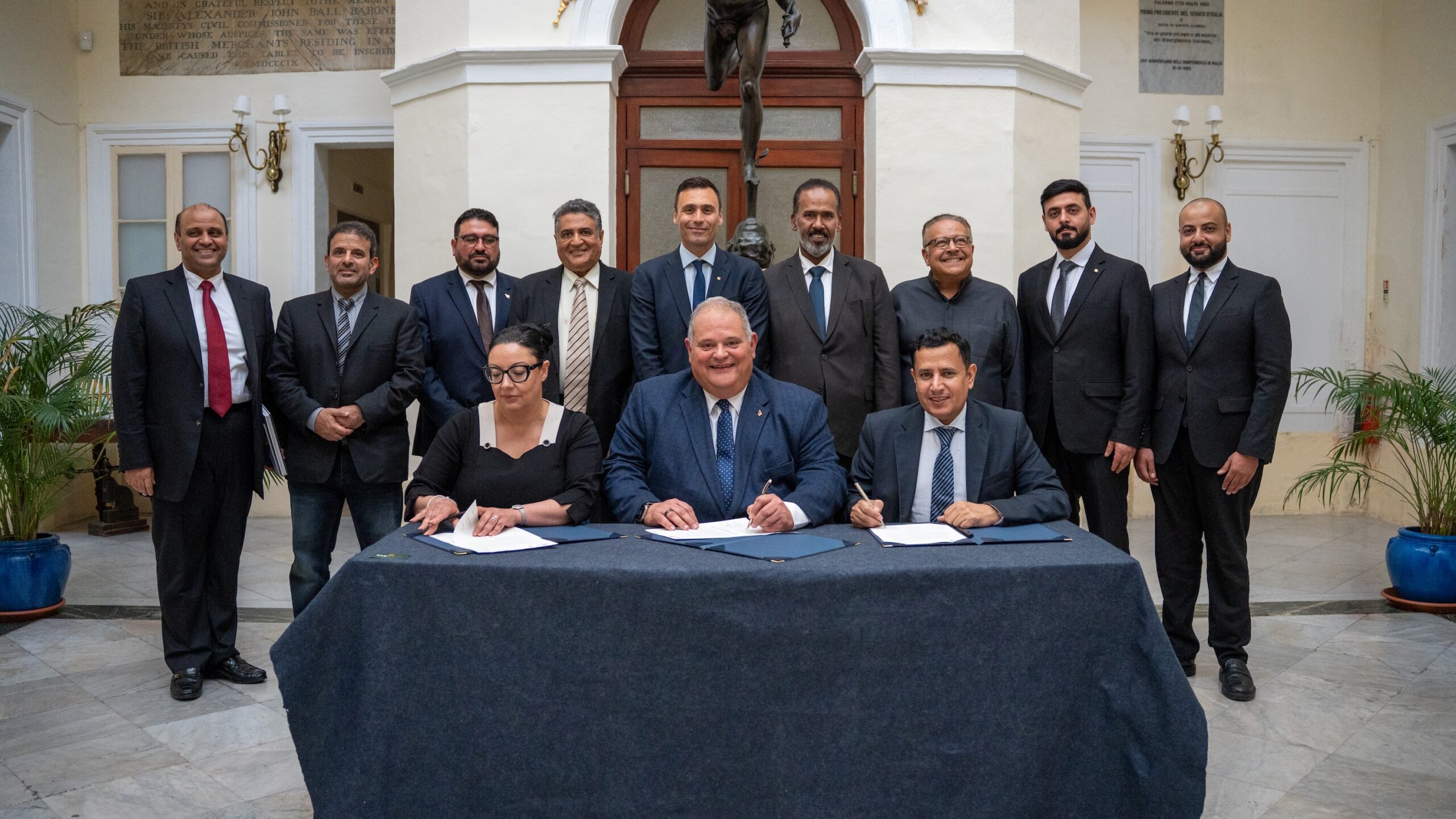
Malta and Saudi Arabia deepen commercial ties through Chamber MoU
The visit aims to support Maltese companies entering the Saudi market and a gateway for Saudi investment into Europe
’16-year-olds can now move from idea to company without delay’
New law allows 16 to 18-year-olds to set up companies