


The use and sale of inorganic fertilisers in Malta have continued to decrease, according to new figures released by the National Statistics Office (NSO).
In 2024, sales of inorganic fertilisers amounted to 981,869 kilogrammes, a drop from 1.2 million kilogrammes in 2023 and 1.67 million kilogrammes in 2022. Imports also reflected this trend, falling from almost two million kilogrammes in 2022 to 894,360 kilogrammes in 2024.
Despite lower sales, Maltese farmers still applied almost the same amount to their fields. A total of 970,394 kilogrammes were used in 2024, with just over three-quarters purchased in the same year and the remainder coming from existing stock.
The NSO reported that 3,796.6 hectares of agricultural land were treated with inorganic fertilisers in 2024, equivalent to 39.2 per cent of Malta’s total utilised agricultural area. On average, this amounted to 75 kilogrammes of fertiliser per hectare.
The most common products applied were those with nitrogen, phosphorus, potassium which together made up more than half of total fertiliser use.
In total, Maltese farmers applied around 190,000 kilogrammes of nitrogen, 82,000 kilogrammes of phosphorus, and 95,000 kilogrammes of potassium during 2024.
The NSO highlighted that these results form part of Malta’s obligations under the EU’s Statistics on Agricultural Input and Output (SAIO) Regulation, which requires Member States to report fertiliser use and prices on an annual basis.
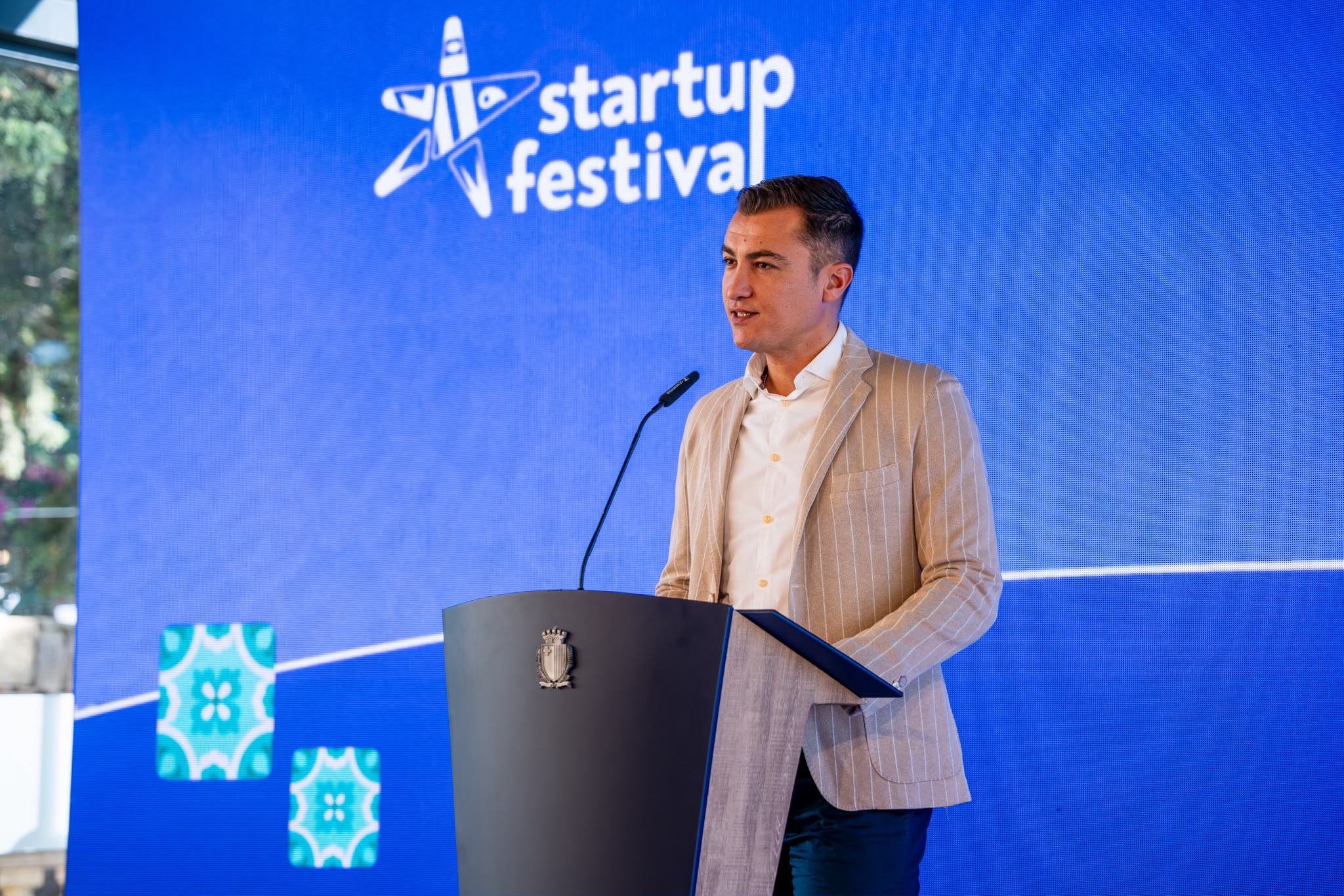
More than 50 startups collectively awarded €15 million in financial assistance
These businesses have created around 250 quality jobs, Government said
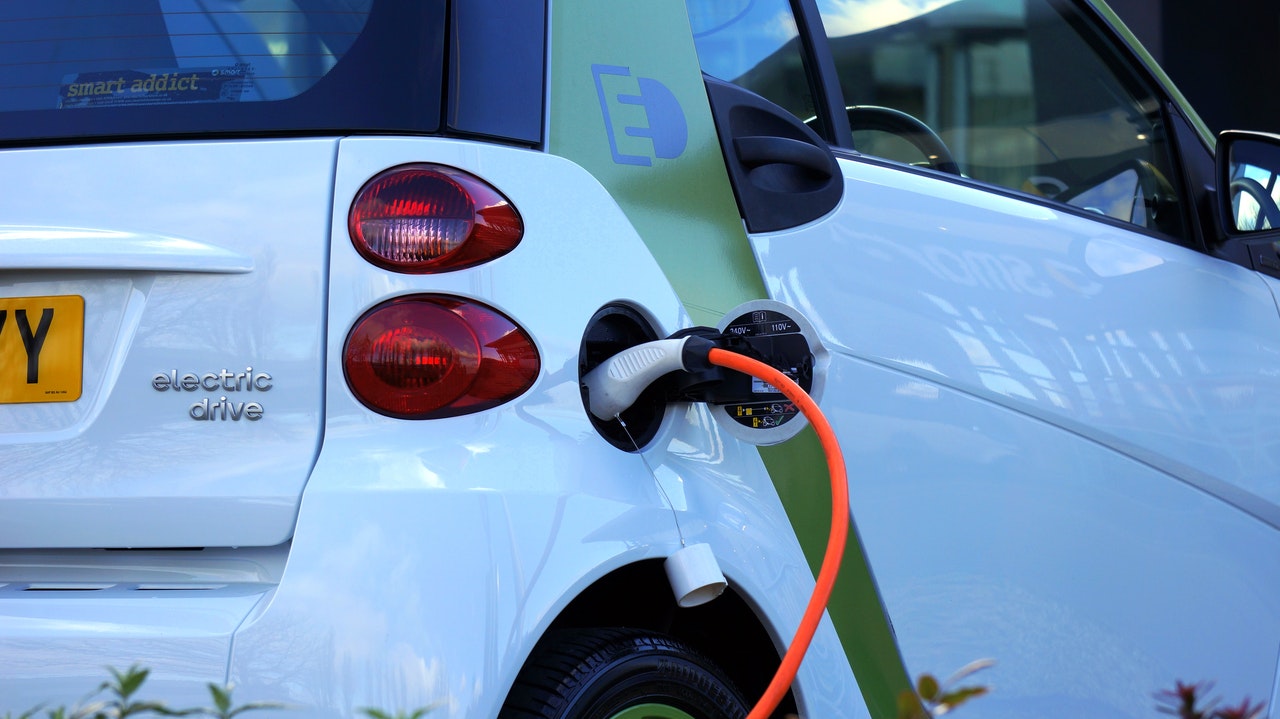
Insurers call for urgent clarity over EV disposal procedures while highlighting ‘practical difficulties’
Malta currently lacks suitable facilities for treating these batteries, association said

Working remotely abroad? Businesses warned of potential tax risks at Mobility Elite Summit
Working remotely abroad is not just a matter of finding a nice place