


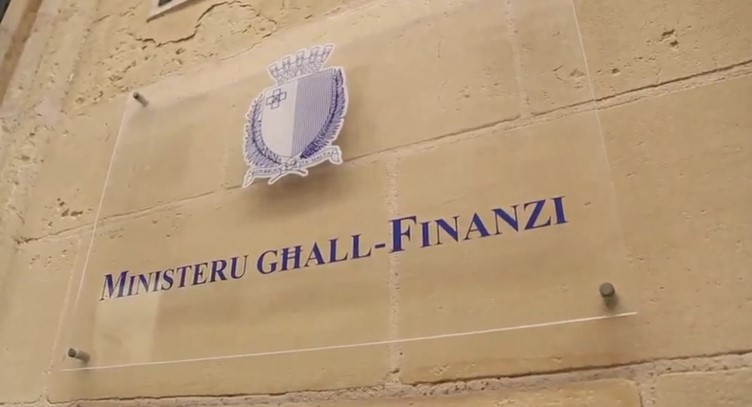
The Maltese Government reported a €95 million deficit by the end of February 2025, a sharp reversal from the €151.4 million surplus recorded in February 2024, according to data published by the National Statistics Office (NSO) on Monday.
The negative shift in the Government’s Consolidated Fund reflects a combination of falling revenue and increased spending, with recurrent revenue falling by €103.8 million and total expenditure rising by €142.6 million year-on-year. This resulted in a €246.4 million deterioration in the government’s fiscal position.
Revenue plunge led by income tax decline
A significant contributor to the revenue drop was a €179.0 million decline in income tax receipts, suggesting a slowdown in corporate and individual earnings or changes in tax collection patterns. Meanwhile, on the expenditure side, programmes and initiatives accounted for the largest spending increase, rising by €63.3 million.
In detail, the rise in expenditure was primarily driven by:
- Social Security Benefits: +€31.8 million
- Church Schools: +€9.6 million
- EU Own Resources: +€7.4 million
Other expenditure categories also saw increases, with contributions to Government entities rising by €57.1 million, personal emoluments by €31.3 million, and operational and maintenance expenses by €8.3 million.
Capital spending drops, especially on roads
While recurrent expenditure increased, the Government’s capital spending fell by €23.6 million. The most significant reduction came from road construction and improvements, where spending dropped by €14.4 million. Other declines were noted in property, plant, and equipment (€5.3 million) and maritime facilities (€3.9 million).
Rising debt levels
The Government’s central debt also rose substantially, reaching €10,935.2 million – an increase of €859.1 million compared to February 2024. This increase was mainly due to a €842.5 million rise in Malta Government Stocks, alongside growth in Treasury Bills (€73.9 million) and Euro coins issued (€4.0 million).


Digital euro could eliminate refund delays, says ECB
ECB officials say 'conditional payments' could transform everyday transactions

How Mediterrania Capital Partners is bridging private equity and public markets to unlock Africa’s potential
ASEF is reshaping how institutional investors think about Africa’s public markets: a growth engine and a diversifier in global portfolios
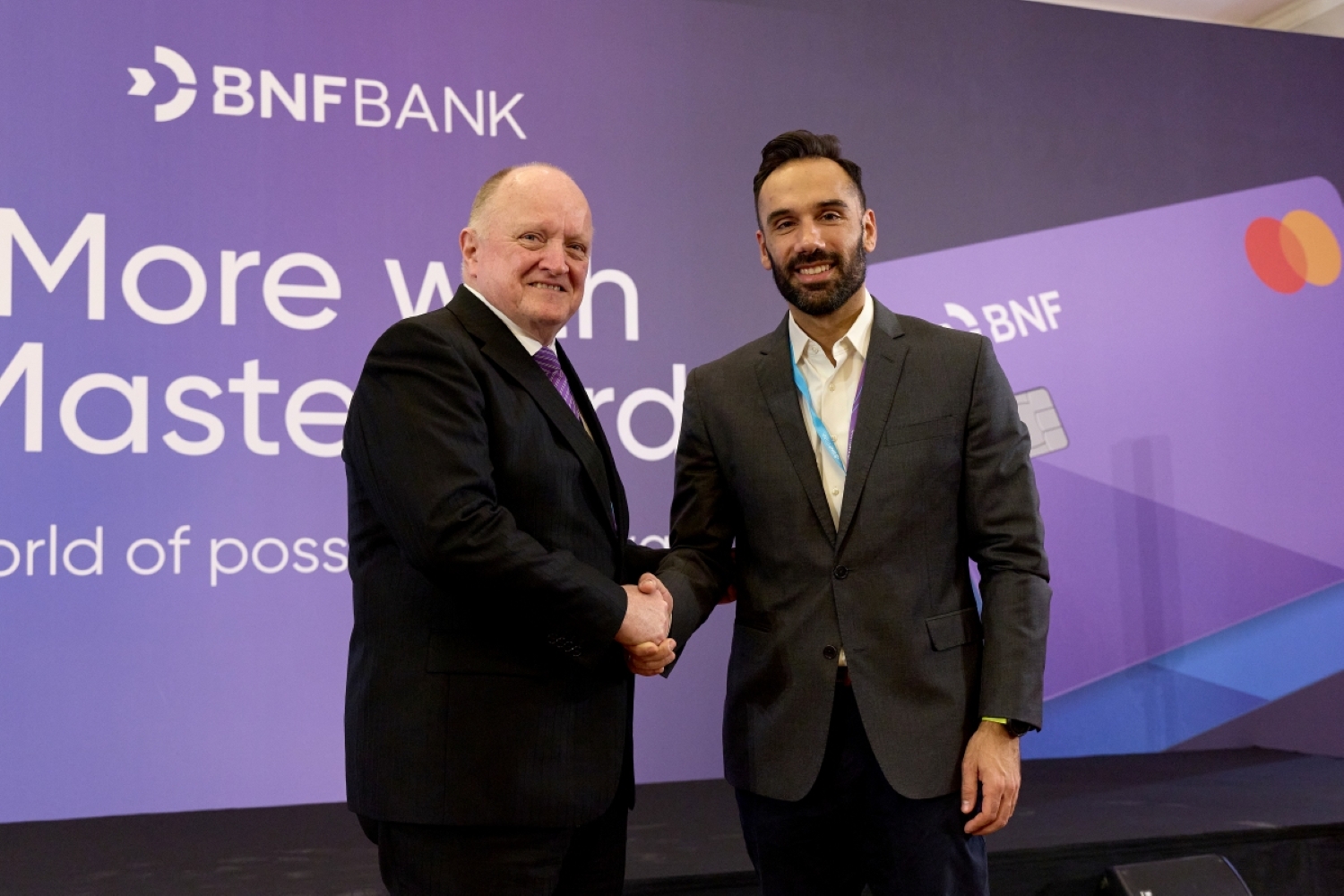
BNF Bank and Mastercard partner to bring added value to Maltese customers
Collaboration enhances everyday banking through exclusive experiences, rewards, and innovative payment solutions