



Sick leave will apply from the first day of employment across all sectors under new reforms announced by Parliamentary Secretary Andy Ellul, as government moves to modernise Malta’s employment framework.
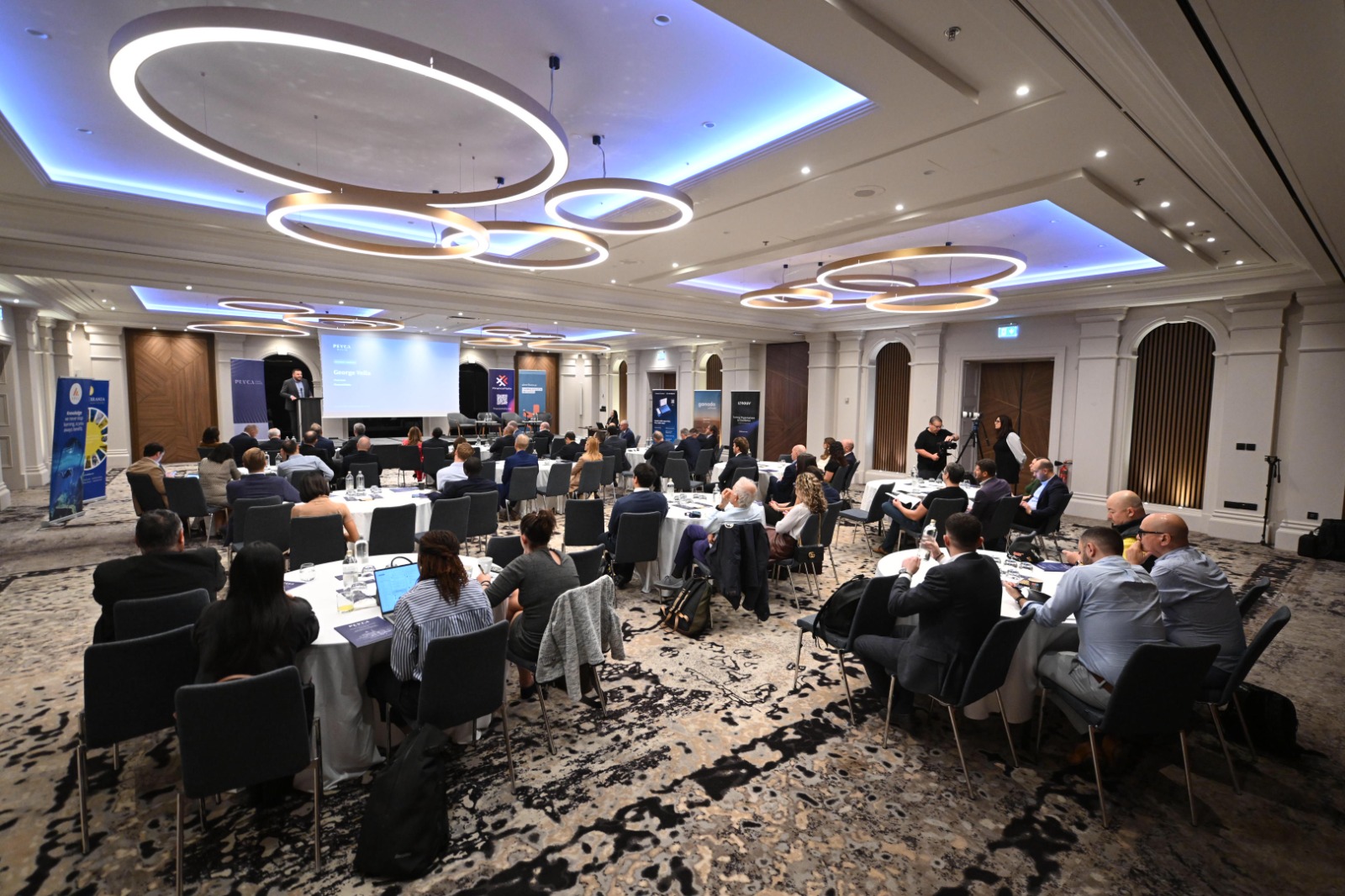
Speaking at a Times of Malta business breakfast titled Equal Rights, Better Workplaces, Dr Ellul said the change addresses longstanding inconsistencies between sectors, where employees previously became eligible for sick leave at different stages of their employment.
“We addressed this anomaly, and now everyone can have sick leave from the time their employment begins,” he said.
The measure will be introduced through a legal notice updating various Wage Regulation Orders (WROs), with implementation expected in the coming days.
In some industries, including construction, workers were previously required to complete up to a year in employment before accessing sick leave. Under the new framework, entitlement will begin immediately and be calculated on a pro-rata basis depending on when employment starts within the year.
The reform forms part of a broader effort to overhaul Malta’s labour legislation, much of which dates back to the 1950s and varies across sectors.
“These employment laws were made for a different time,” Dr Ellul noted. “They were created for a country that is completely different to the Malta of today.”
Beyond sick leave, the changes aim to standardise other forms of leave. Bereavement and marriage leave will be set at three days for all employees, replacing previous discrepancies where some workers were entitled to as little as one or two days.
The reform also proposes equal minimum wage rates for 16- and 18-year-olds, effectively removing age-based wage tiers. Dr Ellul pointed out that while 16-year-olds already have voting rights, they continue to earn less in certain sectors due to their age.
Minimum wage structures will also be adjusted to reflect different working weeks across industries, including 48-, 52- and 60-hour schedules. “Previously, in some sectors, if you worked 48 hours or 52, you got the same amount. That is not fair,” he said.
Employers will also be required to provide uniforms and personal protective equipment free of charge where necessary, replacing existing uniform allowances.
Additional updates include the introduction of gender-neutral language across employment legislation, with terms such as “watchman” replaced by “watchperson”.
According to Christine Calleja, lawyer at Mamo Advocates who contributed to the reforms, the changes are expected to streamline regulations and reduce confusion across sectors.
Diane Vella Muscat, Director General of the Department of Industrial and Employment Relations, added that greater consistency would make it easier to address queries from both employees and employers.
The measures mark the first phase of a wider reform process, with further discussions expected to address areas such as overtime and public holidays across different sectors.
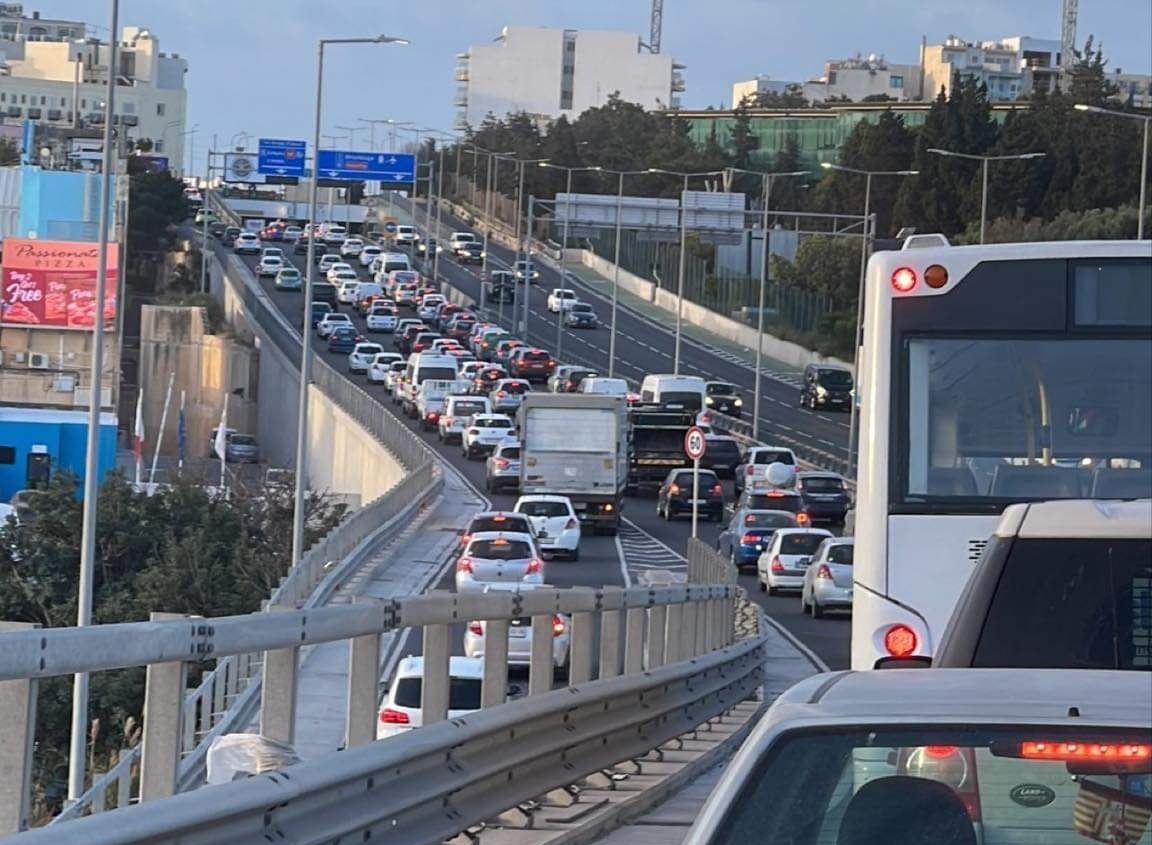
Malta’s traffic congestion takes toll on tourist experience and investor impressions
Malta’s traffic congestion is putting pressure on tourist guides, frustrating visitors and leaving a negative impression on potential foreign investors
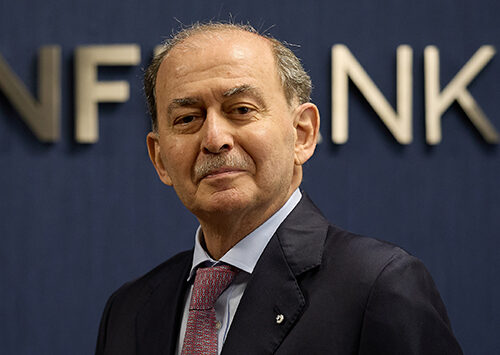
BNF Bank welcomes Izzat Nuseibeh as Chairman, reinforcing its long-term commitment to Malta
He brings more than four decades of international banking experience across corporate, private and institutional banking
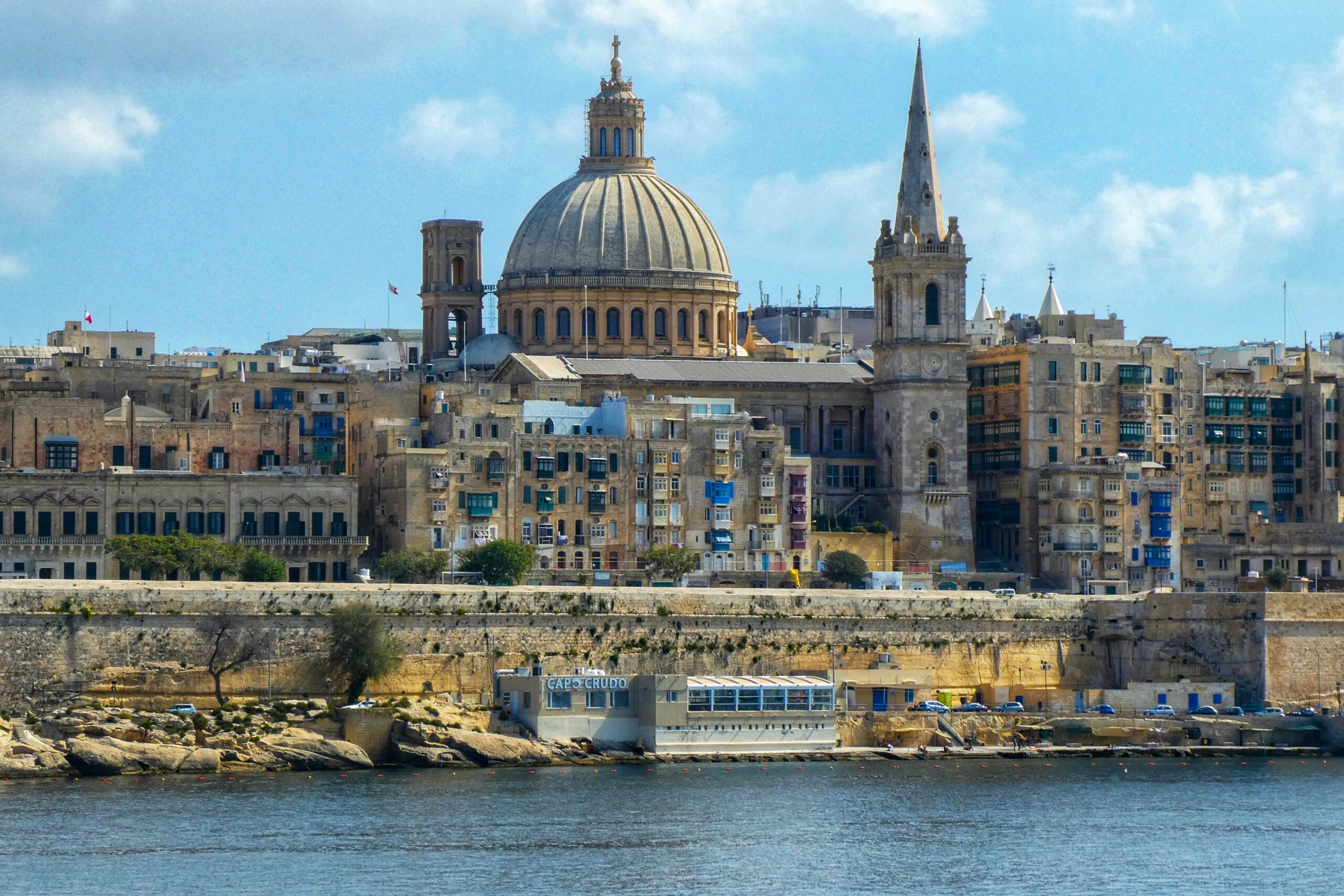
Malta’s FDI appeal rises, but concerns about skills shortage persist, EY survey finds
44% of investors describe Malta’s planning and preparedness for population growth as inadequate