


Every year, the national budget sets the tone for Malta’s economic and social priorities. For Gozo, a region with its own unique strengths and vulnerabilities, it is vital that these priorities reflect the island’s specific realities.
The Gozo Regional Development Authority (GRDA) has once again put forward a set of proposals for the 2026 Budget, rooted in research, consultations, and the long-term vision of the Regional Development Strategy published in 2023.
These proposals are not about short-term fixes, but about making Gozo more competitive, resilient, and sustainable.
Tourism and fairness
Tourism remains a cornerstone of Gozo’s economy, but it also comes with costs, from pressure on infrastructure to environmental impacts.
Since 2016, the eco-contribution has ensured that tourists contribute to the upkeep of the islands. The GRDA is now calling for the revenue collected from Gozo to be ringfenced and reinvested directly in Gozo. This is not only fair but necessary.
A dedicated share of eco-contribution funds would ensure that tourism’s benefits remain sustainable, and that Gozo’s unique product is safeguarded.
Supporting small businesses
Gozo’s economy is powered by micro-enterprises. While this gives the island flexibility, it also creates vulnerability, particularly when it comes to upskilling. Training schemes often miss the mark for the smallest firms.
The GRDA proposes revising incentives so that businesses are compensated not only for training costs but also for lost work hours when staff are away. This practical measure could help businesses prepare for technological and market changes without sacrificing day-to-day operations.
Complementing this, the GRDA is proposing a ‘Business Lab’ at the Gozo Innovation Hub. This would act as a one-stop shop for small businesses, offering workspace, legal and financial guidance, and easier access to funding. By pooling resources in one location, the Business Lab would lower barriers for start-ups and strengthen the entire business community.
Attracting talent and improving wellbeing
Gozo cannot thrive without people, both entrepreneurs and skilled workers. To make relocation more attractive, the GRDA is recommending rent rebates for start-ups in high-value sectors and for professionals moving to Gozo. These measures would help reduce early-stage costs for businesses and ease the financial burden on workers who bring much-needed skills to the island.
At the same time, the GRDA has its eye on quality of life. A proposed Employee Wellbeing Voucher Scheme would allow Gozitan businesses to support their staff with initiatives ranging from gym memberships to mental health services. This acknowledges that productivity and competitiveness go hand in hand with the workforce’s wellbeing.
Gozo as a testbed for innovation
Finally, the GRDA is urging the government to trial a personal mobility carbon allowance scheme in Gozo. With the island’s high reliance on private cars, such a scheme would encourage sustainable travel choices while collecting valuable data.
Just as Gozo once pioneered Malta’s waste separation initiative, it can again lead on innovative environmental policy.
A coherent plan
Taken together, these proposals are ambitious but also practical. They focus on fairness, sustainability, and resilience which are the principles that must underpin Gozo’s future.
The 2026 Budget is an opportunity to take concrete steps in that direction. If implemented, these ideas would generate benefits not just for Gozo, but for the country as a whole.
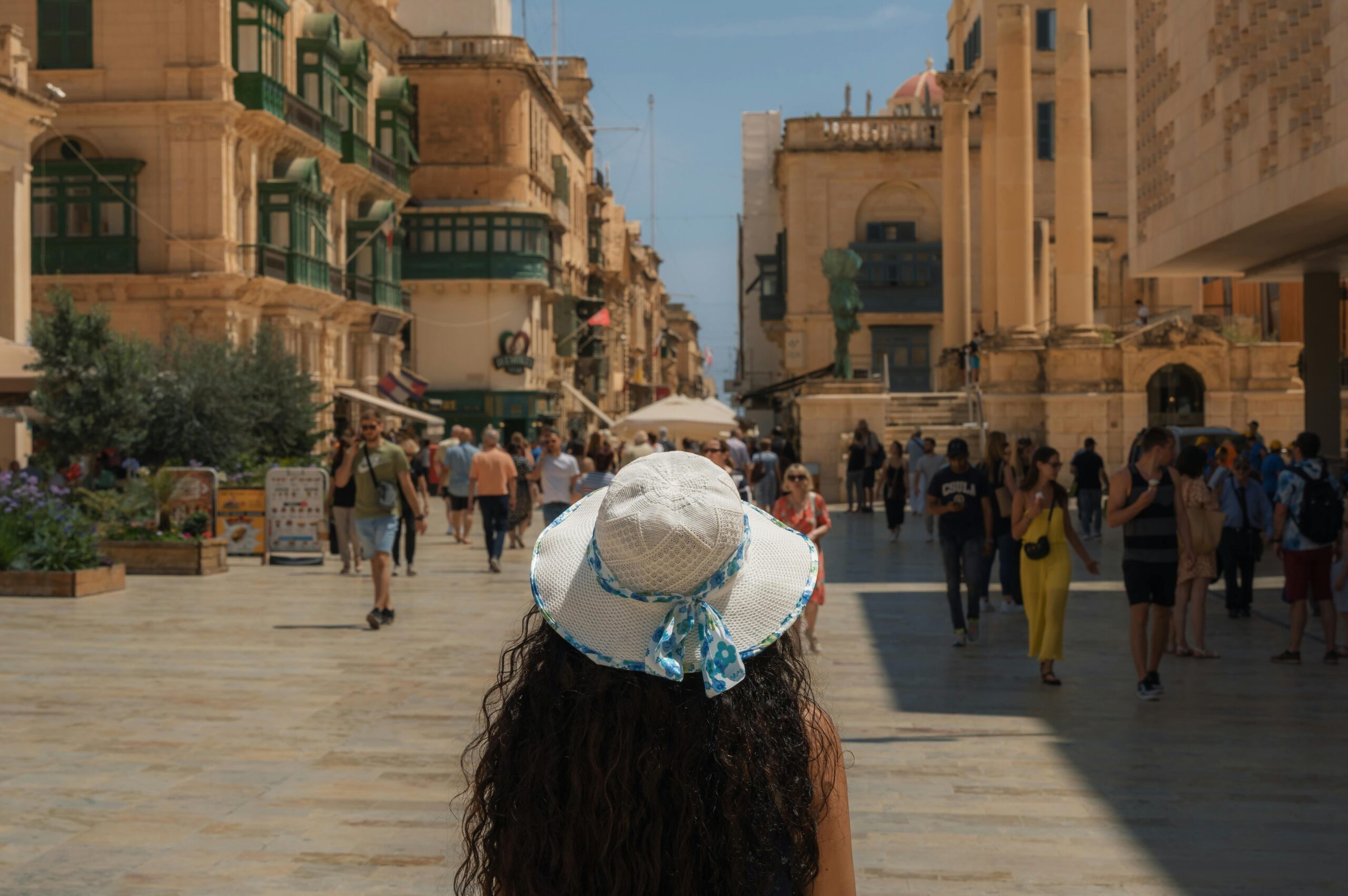
Tourist spending hits €1.21 billion in Malta in second quarter of 2026
The average length of stay per tourist dropped from six nights in 2025 to 5.5 nights this year
Revolut won’t disclose number of data breach victims in Malta, but there is at least one
Hackers obtained files by compromising an Italian government email system

Alkagesta hosts Malta U16 women’s basketball champions at Malta office
The Maltese team won with a score of 76-51