


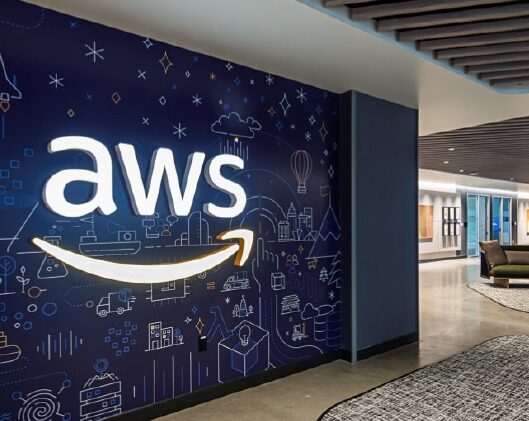
A major Amazon Web Services (AWS) outage on Monday 20th October (today), has disrupted numerous websites and apps across the world – including Slack, Snapchat, Fortnite, Alexa, Coinbase, and several banking platforms.
According to AWS, the issue stemmed from “increased error rates and latencies” in its US-East-1 region (Northern Virginia), one of the company’s largest and most critical data centre hubs. The outage cascaded across multiple AWS services, affecting a wide range of applications and business operations globally.
Reports indicate that the disruption affected consumer apps, financial services, and online platforms that depend on AWS to host their infrastructure or backend systems.
While AWS has begun restoring services, the company has not yet disclosed the precise cause of the failure. Analysts point to possible issues with DynamoDB, AWS’s managed database service, or related internal network components – consistent with the nature of previous large-scale AWS disruptions.
The outage highlights how deeply embedded cloud services have become in the global economy – and how a single regional fault can create ripple effects across industries.
Key risks identified include:
- Service downtime and lost productivity for businesses running on AWS or reliant on APIs hosted there.
- Revenue loss, particularly for e-commerce and SaaS platforms that rely on constant uptime.
- Reputational damage for consumer-facing apps and financial services unable to process transactions or logins.
- Data integrity concerns if replication or database synchronisation is interrupted.
The incident also renews focus on “concentration risk” – the growing dependence on a handful of global cloud providers, such as AWS, Microsoft Azure, and Google Cloud – which underpin much of today’s digital infrastructure.
For Maltese businesses, the outage serves as a reminder to review cloud architecture and resilience planning. Even if operations are based locally, many services – from CRMs and accounting systems to e-commerce platforms – are hosted or interconnected through AWS.
As AWS works to fully resolve the issue, the company is expected to release a detailed Post-Event Summary outlining the root cause and corrective measures.
Featured Image:
AWS Office / FC Studio Inc


UAE ambassador highlights opportunities across key sectors during Malta business roundtable
The event brought together leading Maltese business executives, investors, and institutional stakeholders

EU-China reach deal to curb hybrid car imports
'Sudden and rapid rise in imports' of hybrid electric vehicles from China 'having a destabilising effect,' association says

TradeMalta scraps entry fees for 2027 International Business Awards
Entry fees scrapped for the first time to encourage more participation