


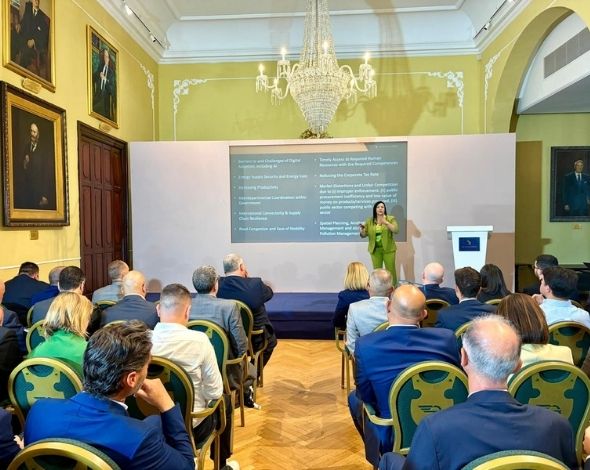
The Malta Chamber has proposed a raft of measures to tackle the problem of labour shortages, which has emerged as the leading problem facing local businesses.
In a pre-election document, the Chamber proposed granting five-year tax exemptions to encourage highly qualified Maltese nationals living and working abroad to return to the country.
The Chamber said that such a proposal, based on similar frameworks introduced in Italy and Greece, will help address local skills gaps, strengthen the talent pool in key sectors and reverse the brain drain.
PN leader Alex Borg has put forward a similar proposal for Maltese healthcare specialists who return to Malta from abroad. However, PL MP Chris Fearne warned that such a move could disadvantage specialists who chose to remain in Malta.
In another measure to tackle labour shortages, the Chamber proposed granting work permits to adults who have received asylum protection by Maltese law, renewable every three years.
Such permits would be subject to a clean police conduct and a certification of competence.
The Chamber also proposed that the rule obliging employers with over 20 staff to employ a minimum of two per cent people with disabilities be amended to also include employees with asylum protection.
It is also proposing extending the Maltese work permit period for third country nationals from three years. The period was only recently increased from one to two years, linked to mandatory integration training.
Other proposals to facilitate the hiring of TCNs include giving applicants detailed visibility of their visa application status, revisiting the mandatory three-week job vacancy ads for Maltese and EU workers for certain critical roles, and exploring long-term residency pathways with simplified family member reunification processes for specialised TCNs.
The Chamber also said the overtime tax rate for full-time employees should be lower than the part-time rate, so as to encourage employees seeking more money to work overtime rather than find a part-time job.
“Employees are choosing to find part-time jobs to pay less tax due to lower tax percentage for part-time work, a tendency which is quite prevalent among local young workers, particularly in manufacturing and retail sectors,” it said.
To address Malta’s talent shortage in trades, the Chamber proposed a Vocational Mobility Trades Package – that could include English language learning and rent support – to attract workers and international students.
Participants would be given work placement with Malta-based employers, a move that could eventually position the country as an attractive destination for trade-focused education. High-performing students may also be offered extended stay visas tied to longer term residency permits.
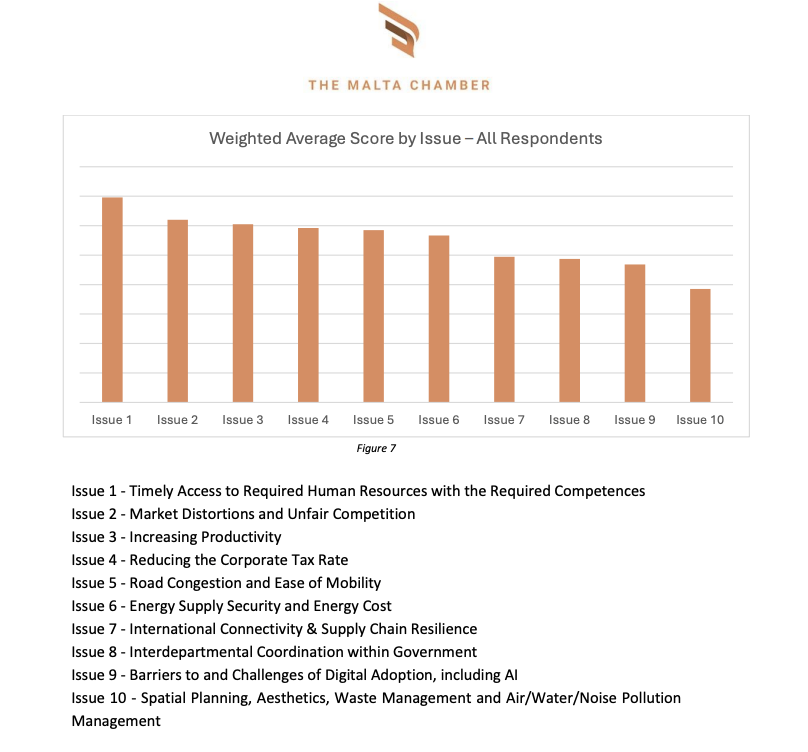
A survey carried out by the Chamber among its members as soon as the general election was announced found that timely access to competent human resources featured among the top three challenges for businesses in the field of importation, distribution and retail (IDREG), manufacturing and services.
When the weighted average across all three economic sectors was taken into account, the issue emerged as the single biggest challenge currently facing Maltese businesses, ahead of market distortions and unfair competition, improving productivity, and reducing the corporate tax rate.
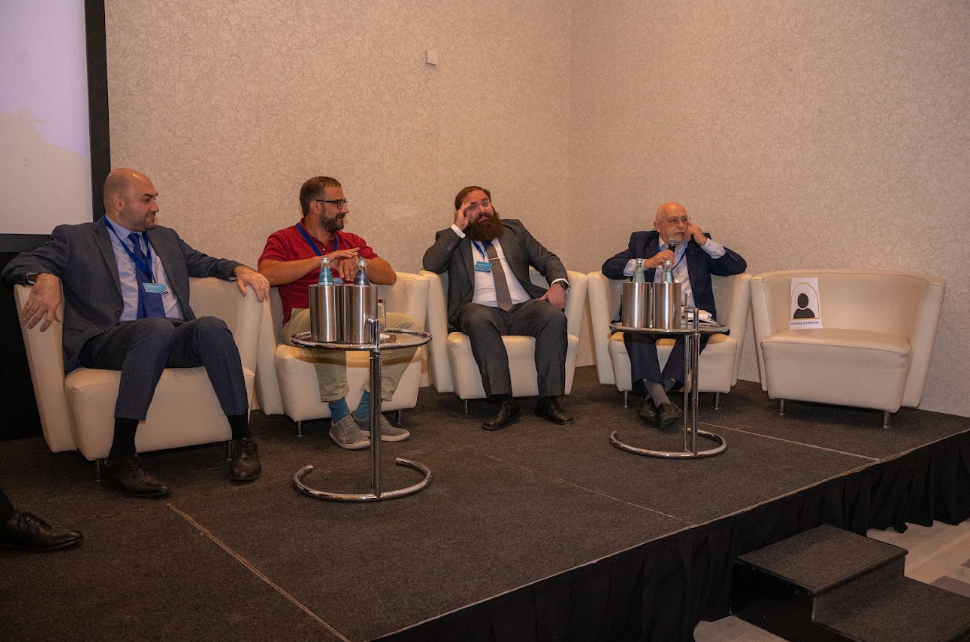
‘Businesses are making money, but at what cost?’ Malta’s tourism under the lens
Important questions were raised during FAA's national conference on Tuesday (today)

Planning Malta’s future, one shared map at a time
Ahead of the PA's annual conference, Joseph Gauci discusses integrated planning, 3D mapping and global insights for Malta’s future.
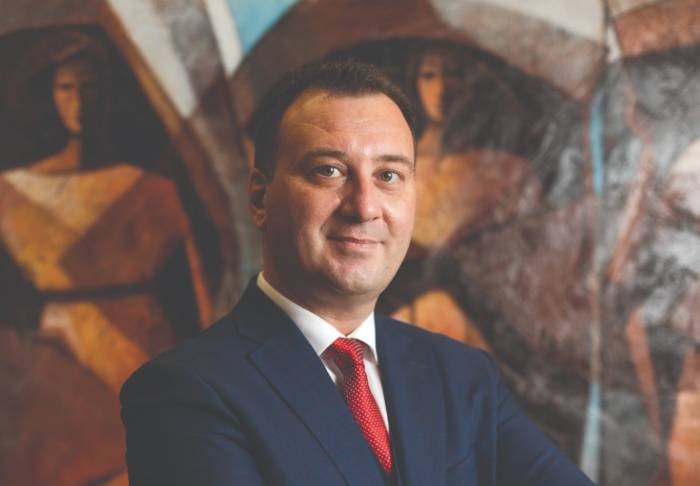
PA CEO resigns as director of his consultancy firm
The PA CEO remains the sole shareholder of the consultancy firm, under his legal name 'John Buttigieg'